Caring for Lacquered Wood in Singapore's Tropical Climate
Lacquer can give a solid wood dining table, wardrobe, or bed frame a calm, polished finish while protecting the grain from humidity and daily use. In Singapore, that finish faces a demanding test: warm air, monsoon moisture, frequent condensation, salt-rich coastal weather in places such as Bedok and Tampines, and compact HDB homes where furniture must work hard within limited room and corridor dimensions. Good care is less about elaborate rituals and more about controlling heat, water, dust, and abrasion with a few measured habits.
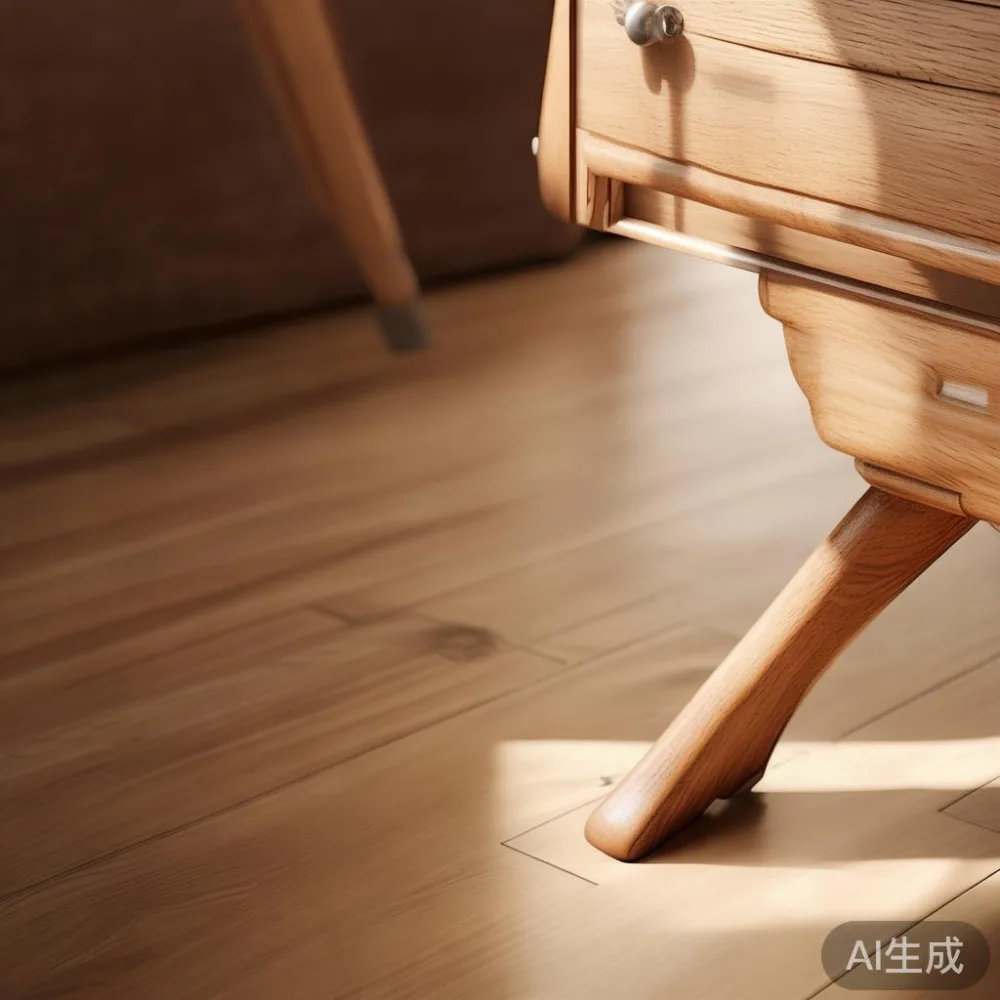
Last month, I visited a family home in Punggol and tested a lacquered solid wood nightstand beside an air-conditioning vent. We placed a ceramic mug containing 60 ml of hot tea on it, then another test involved a damp cloth left in place for 20 minutes. The finish handled both marks, but the side facing the vent dried more slowly and showed a faint ring that needed careful attention. That visit reinforced a practical point: lacquer is durable, yet tropical humidity still deserves a controlled maintenance routine.
MIDHILL designs lacquered pieces for use in demanding interiors, including a solid wood sofa, bed frame, dining table, wardrobe, and nightstand. A marble table has a different cleaning protocol because its porous natural stone needs a pH-neutral cleaner and prompt spill removal. For lacquered solid wood, the approach should be gentler, faster, and highly repeatable.
What makes lacquer care different in a tropical climate?
Lacquer is a cured surface coating, not the same material as the timber beneath it. It can resist ordinary stains while remaining sensitive to prolonged moisture, aggressive chemicals, high heat, and repeated friction. Singapore’s relative humidity commonly ranges from roughly 65% to 85%, and HDB or condo rooms can become warmer when doors and windows remain closed after heavy rain.
Three forms of moisture deserve attention. Water droplets can enter microscopic surface irregularities. Damp cloths left against lacquer can trap moisture against the finish. Large swings in humidity make timber move more noticeably, so owners should avoid forcing swollen doors back into their frames or pressing a drawer shut too hard.
For context, Singapore’s standard power supply is 230 V and 50 Hz, but the more relevant furniture-care habit is to place drinks at least 15 cm from a lacquered edge. Use a coaster with a base of at least 8 cm by 8 cm, and avoid leaving an open bottle near a wardrobe or nightstand. In a Tampines HDB flat where dining furniture may share one compact living area, a 45 cm-wide lacquered solid wood dining table can look refined without overwhelming the room, provided circulation remains clear by about 75 cm.
The “American bed vs French provincial bed” comparison often turns on the visual language of the frame and upholstered surround. Whether the style is French light luxury, American light luxury, or post-modern light luxury, the lacquered frame still needs the same moisture discipline. A padded headboard may reduce accidental knocks, but it must not press tightly against the lacquer for long periods.
How often should a lacquered solid wood surface be cleaned?
A short weekly wipe removes dust before it becomes abrasive; a damp wipe every 2 to 4 weeks handles ordinary fingerprints; and a more thorough check every 3 months is sensible in humid conditions. The schedule should change after an exceptional event. Wipe up spills immediately, inspect the surface after a downpour, and check window areas before the monsoon’s heaviest weeks.
Begin by removing loose dust with a clean microfibre cloth. A dry cloth may leave fine grit on the coating, so lightly dampen a second cloth with plain water and wring it until it is merely damp. Wipe in the direction of the grain, then use a separate dry cloth to remove moisture. Do not soak the edge, saturate joints, or use a soaked cloth that can drip into seams.
For marks, use a soft cotton cloth and a small amount of mild dish soap diluted with 1 L of water. A practical ratio is about 1 ml of detergent to 1 L of water, with no bleach, ammonia, alcohol, vinegar, abrasive powder, or silicone polish. Test the mixture on a concealed 5 cm by 5 cm area for 10 minutes, then dry it fully. If the finish dulls, stop immediately.
Over-cleaning can be less desirable than leaving a small mark. Lacquered furniture should not be treated with furniture oils, waxes, lemon oil, or “feed and shine” products unless the coating manufacturer specifically permits them. Such products can darken pale finishes or leave an oily film that attracts dust.
How should I remove stains without damaging the lacquer?
Start with the mildest method that addresses the mark. Fresh water handles most drinks, while a slightly soapy damp cloth can lift fingerprints. Avoid scraping with a metal edge, and do not place coarse scrub pads on the finish. Grit from an outdoor corridor or construction dust can scratch lacquer when dragged across it, so vacuum upholstery and nearby floors before wiping adjacent surfaces.
For sticky residue, a dab of plain isopropyl alcohol on a cotton cloth may help, but keep the area barely damp and test first. Water-based pens, lipstick, oil, and ink can each behave differently on a cured lacquer. Blot rather than rub. If a stain remains after 2 careful attempts, repeated attempts will probably not improve the result and may create a shiny patch.
Heat requires another response. A hot cup can leave a ring or soften a small area. Let the surface cool for at least 30 minutes before trying a mildly soapy cloth. Do not use an iron, hair dryer, heat gun, or abrasive eraser. If the coating bubbles, peels, or separates, stop DIY treatment and seek advice from the furniture maker.
Light colours show residue more readily. A light grey luxury sofa may not be lacquered throughout, but lacquered solid wood bases and frames around seating should never be sprayed with upholstery cleaner. Keep mist away from timber feet, rails, and side panels. Likewise, a marble table and a lacquered dining table should not share one generic cleaner unless both product manuals approve it.
What should I do about heat, sunlight, and open windows?
Keep lacquered furniture at least 30 cm from a window that receives direct afternoon sun. Singapore’s UV exposure can discolour both timber and clear coatings over time, especially near East Coast apartments in Bedok where east-facing glass receives strong morning light. Curtains or UV film can moderate exposure without blocking ventilation.
Avoid placing a wardrobe or bed frame directly beside an air-conditioning outlet. I saw why during the Punggol visit: airflow reduced drying time after the damp-cloth test. If condensation is common, move the piece 20 to 30 cm away, adjust the louvre direction, and maintain a stable indoor humidity of about 50% to 65% where a hygrometer is practical.
Do not leave lacquered furniture under an open window during a squall. Rain-driven humidity can reach 90% locally, and airborne droplets may settle on the finish. Close windows before the rain begins, use a balcony only for fully weatherproof furniture, and bring indoor pieces back within 30 minutes of a sudden storm.
Singaporean homes also need clearance for safe use. Check the path from the building lobby to the lift, then from the lift to the flat. For a wide dining table, the table top should not exceed the usable lift width by more than the available turning allowance. Measure door leaves, corridor turns, and lift dimensions before delivery; furniture that fits the lift door but not the lift cabin can still cause a problem.
Can a lacquered solid wood bed frame or wardrobe stay near the bathroom?
A bathroom-adjacent wall is manageable if splashes are controlled. Keep a solid wood bed frame or lacquered wardrobe at least 60 cm from a shower enclosure when the layout allows, and at least 20 cm from a vanity basin. If space is tight, use a splash guard and dry the floor promptly. Constant dampness around skirting boards can migrate into timber edges or metal fittings.
For ventilated wardrobes, leave the doors ajar for 30 minutes after the room has been aired. Do not pack damp clothing into a lacquered wardrobe immediately after washing. Let textiles dry before storage, and keep folded items at least 5 cm away from the back panel where possible.
Consumers comparing a Japanese bed vs Nordic bed may focus on platform proportions, storage, and visual calm. The question “is light luxury bed worth it” can include finish performance, but ownership cost also includes care. A lacquered frame with stable humidity, careful cleaning, and timely repairs can retain its appearance for years; one stored in a persistently wet corner cannot.
An Italian light luxury nightstand suggests slender proportions, pale tones, and refined hardware, yet its small top surface can be exposed to cosmetics, keys, damp towels, and oily hand products. Use a tray with a raised lip and wipe cosmetics from the lacquer promptly. For a 50 cm-wide nightstand, this keeps a 40 cm by 25 cm working area free from rings and scratches.
How can scratches, chips, and swelling be handled?
Minor surface scratches can sometimes be reduced with a lacquer-safe repair product, but colour and gloss matching are difficult. Test any repair on an unseen area, and never apply household marker paint. A deeper chip exposing timber or primer should be assessed professionally, especially on a visible wardrobe door or dining table edge.
Swelling is more serious. If a door catches, first remove any obstruction and check whether the room has recently become very humid. Let the furniture acclimatise for 48 to 72 hours with airflow and controlled indoor conditions. Do not plane, sand, or force the door. Persistent gaps, sticking, or cracked coating suggest movement that needs inspection rather than more aggressive DIY work.
Transport and installation cause many marks. Lift a lacquered wardrobe base rather than dragging it, and protect corners with 2 mm felt pads. Use moving blankets around the finish and keep straps away from edges. Before a piece enters a lift, check the table’s diagonal measurement against the cabin’s usable diagonal, not merely the opening width.
The “top 10 Coastal furniture” list may feature pale woods, woven textures, and relaxed forms suited to seaside homes. Coastal styling does not require unprotected furniture beside the sea. In East Coast or Punggol interiors, lacquered solid wood pieces can fit the palette while benefiting from stricter moisture control than a sheltered coastal showroom would suggest.
What is a practical care routine for Singapore households?
A 15-minute weekly session is enough for routine care. First, check beneath coasters and near the sink. Next, remove dust from horizontal surfaces, since particles abrade lacquer when feet or hands pass over them. Then use a barely damp cloth on visible panels, followed by a dry cloth. Finish by checking the back of the wardrobe, the dining table edge, and the bed frame’s water-facing corners.
Once every 3 months, inspect the finish under daylight. Look for dull patches, sticky areas, tiny bubbles, swelling at joints, and scratches. Clean any mark immediately, but avoid applying polish simply because the surface looks dry. Record the product care instructions and the date of each treatment so that repeated chemicals do not build up.
At home, local indoor conditions matter more than the weather icon. Aim for 50% to 65% relative humidity, use air conditioning or dehumidification during persistent damp periods, and let outdoor moisture remain outside. If condensation appears on a nearby marble table, address that first and keep its cleaner separate from the lacquer care kit.
How does MIDHILL support long-term furniture care?
MIDHILL was established in 2008 and exports to more than 15 countries, reflecting experience across different climates. Its 10-year structural warranty addresses the frame and construction, while lifetime refinishing provides a route for restoring eligible wood surfaces. That support complements a simple owner routine: control moisture, avoid harsh chemicals, and respond to damage early.
Local logistics can affect the first week after delivery. A coordinated delivery to an HDB flat may take 5 to 10 days after the piece is ready, depending on stock and the chosen slot. Lift and corridor access should be checked beforehand, especially for a solid wood dining table or full-height wardrobe. Delivery is free above US$350, although any local GST or applicable charges should be confirmed at checkout.
Returns are accepted within 14 days under the applicable policy, which makes it easier to inspect scale, finish tone, and room fit before keeping a piece long term. Buyers in Singapore should confirm the SGD price, delivery date, access measurements, and care requirements in writing. A 180 cm dining table, a 160 cm bed frame, and a 90 cm wardrobe should each be checked against the actual route into the home.
Light luxury should be practical as well as graceful. French light luxury, American light luxury, and post-modern light luxury can all work in a compact Singapore interior when furniture proportions are disciplined and maintenance is sensible. Keep the lacquer dry, keep heat away from the surface, clean gently every 2 to 4 weeks, and inspect it every 3 months. Those numbers create a routine that protects appearance without turning ownership into a demanding chore.