Solid Wood Furniture Costs: What Drives the Price in Singapore
I spent the second half of last month walking through three furniture showrooms in the East — one in Tampines, one along Upper Changi, and a smaller American light luxury boutique near Bedok Reservoir — armed with a measuring tape and a notepad. I was trying to answer one question for a friend renovating a 4-room HDB in Punggol: why does one solid wood dining table cost S$1,400 and another, looking almost identical at first glance, cost S$4,800? After four hours of twisting chairs over, lifting table leaves, and asking some very patient sales staff about joinery, I had a working answer. This article is the longer version of what I told him.
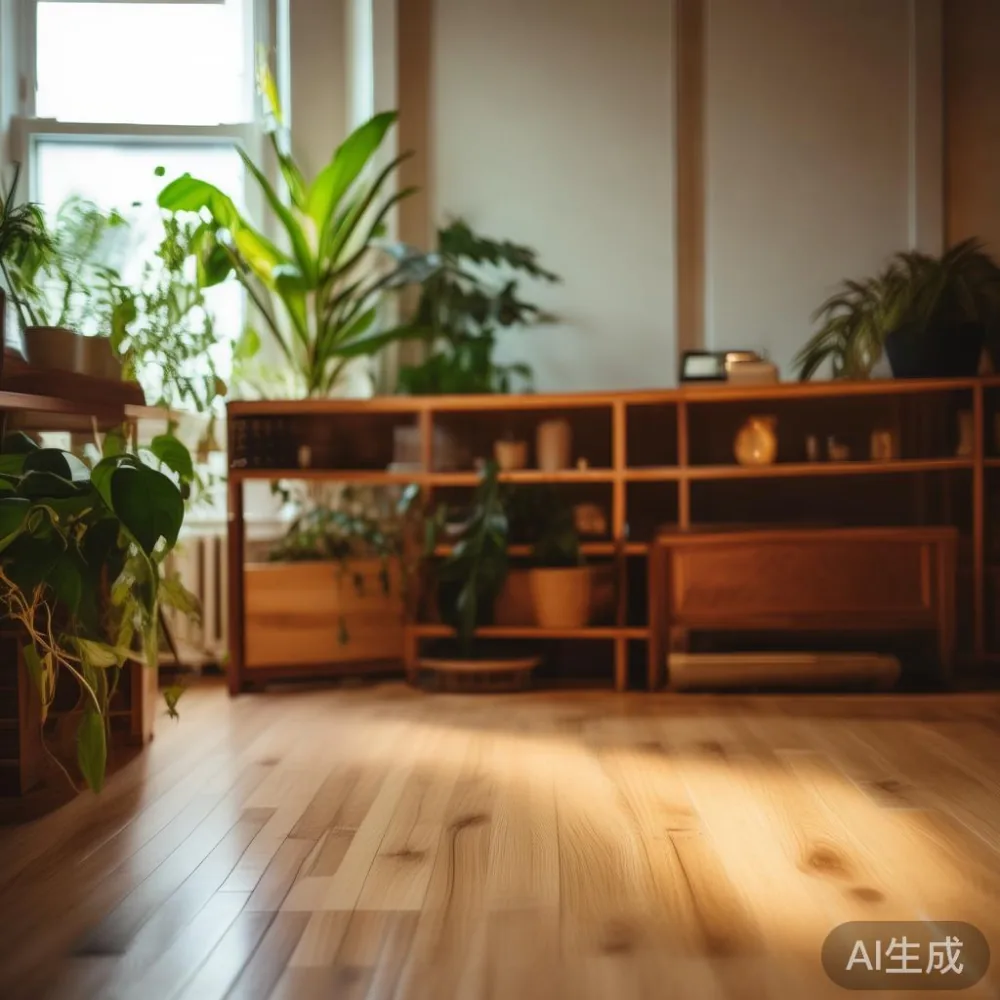
1. The Species of Solid Wood — and Why Oak, Ash and Walnut Behave So Differently
The single biggest driver of price in solid wood furniture is the species of wood used. Oak, ash, walnut, beech, rubberwood and teak all sit on very different rungs of the cost ladder, and Singapore humidity exposes each one in a different way. Oak — particularly white oak and the European varieties favoured in French light luxury and post-modern light luxury ranges — is dense (around 750 kg/m³ air-dried), takes stain evenly, and resists warping better than most. A solid oak dining table in a 1.6 m rectangular format will typically land between S$2,200 and S$4,500 from a Foshan-based maker like MIDHILL, depending on the leg style and the thickness of the top (usually 4–5 cm).
Walnut, the dark, chocolate-toned hardwood imported mainly from North America, is roughly 30–60% more expensive than oak at the timber-yard level, and that gap survives all the way to the showroom. Walnut is also softer than people assume — Janka hardness around 1,010 lbf versus white oak's 1,350 lbf — so it shows dents more easily, which is why most reputable factories reinforce walnut tops with a harder internal frame. Rubberwood, by contrast, is the budget workhorse of Southeast Asian furniture: a solid rubberwood dining table can start as low as S$900, but the wood is more porous (around 560 kg/m³) and more sensitive to Singapore's 80–90% afternoon humidity unless the kiln-drying has been done properly. If a price looks too good to be true, the species is usually the first place where corners get cut.
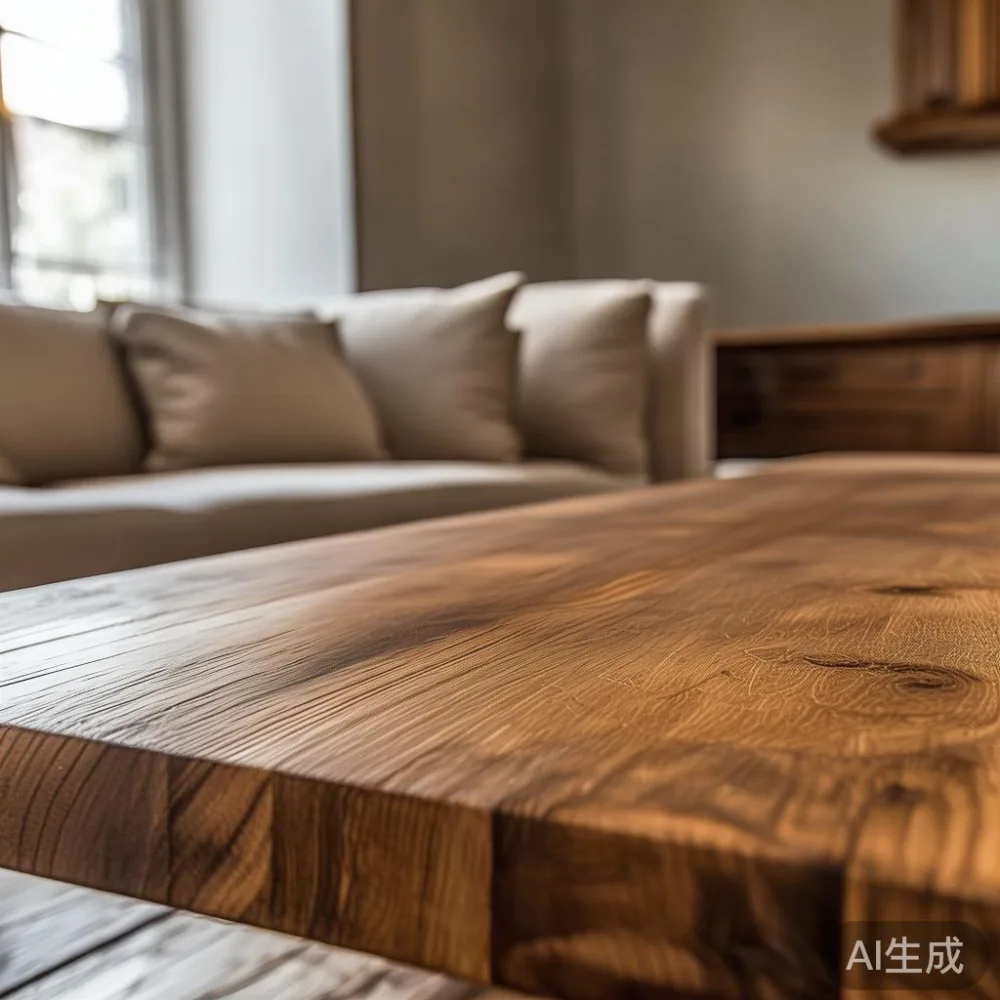
2. Thickness, Density and the Honest Math Behind a Heavy Piece
Two dining tables can both be marketed as "solid wood" and still differ by 40% in raw material cost simply because one has a 3 cm top and the other a 5 cm top. The rule of thumb I heard from a factory floor manager in Foshan: every extra 1 cm of thickness on a standard 1.8 m table top adds roughly 18–22 kg of timber, and at current oak prices that translates to about S$180–S$260 in additional material alone. Lift the table in the showroom. If a "solid oak" table for six adults feels lighter than your weekend grocery haul, something is off.
Density also matters for sound. Tap the underside of a table with your knuckle. A properly dried, dense hardwood produces a clear, ringing tone; a hollow thud usually means a veneer-core panel disguised as solid wood, or wood that still holds too much internal moisture. For context, a good solid wood bed frame in king size (180 × 200 cm) typically uses 4–6 cm slats and side rails, with the headboard panel running 5–8 cm thick for an upholstered model. MIDHILL's American light luxury bed frames I've seen on the Singapore market tend to sit at the heavier end of that range — 80–110 kg total weight, which is exactly what you want when the alternative is a 40 kg frame that walks across a wooden HDB floor every time you turn over.
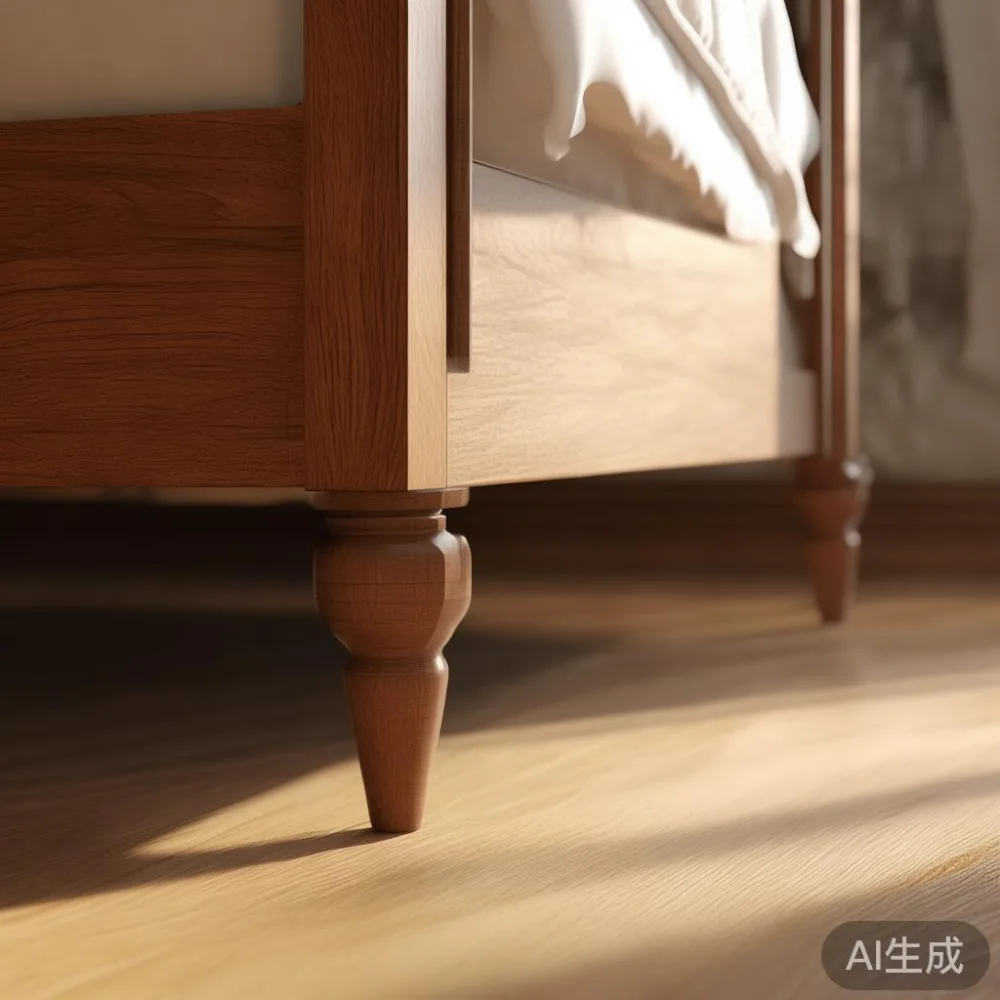
3. Joinery, Hardware and the Difference Between "Solid" and "Solid-and-Correctly-Joined"
Wood species and thickness get the headlines, but joinery is where good furniture earns its price tag. The three joinery methods you will encounter in Singapore showrooms are dowel joints, mortise-and-tenon, and the dovetail. Dowel joints are the cheapest and the weakest; they rely on glued wooden pegs and are fine for a nightstand that holds a lamp and a book, but not ideal for a dining table that will be dragged across a vinyl floor during every house move. Mortise-and-tenon — a peg-shaped extension of one board fitted into a matching cavity on another — is the historical gold standard for chairs, tables and bed frames, and adds roughly S$200–S$400 to the cost of a dining table compared to a dowelled equivalent.
Dovetail joints, the interlocking finger-shaped cuts you can spot by opening a drawer, are the labour-intensive choice for wardrobes and chest-of-drawers, and a well-made dovetailed drawer box adds about S$80–S$150 per drawer. Hardware is the second quiet cost driver. Soft-close hinges from Blum or Hettich, the two German names you will hear most often, cost a Singapore retailer S$18–S$28 per hinge compared to S$3–S$5 for a generic no-brand hinge. A four-door wardrobe might use six to eight hinges, so the hardware alone swings the price by S$120–S$200. Ask the salesperson to show you the hinge brand. If they cannot tell you, the rest of the construction details are unlikely to be reassuring either.
4. Finish, Upholstery and the Hidden Cost of Looking Good for Ten Years
A finish is not decoration — it is the piece's defence against Singapore's UV index, which sits at 11–13 on a clear afternoon for half the year, and against the daily humidity swings that come from running an air-conditioner for eight hours and then switching it off. Conversion varnish, a sprayed catalyzed finish used by most Foshan factories for export-grade pieces, costs about three times as much as a basic nitrocellulose lacquer per square metre of coverage, and it shows: conversion varnish survives a decade of household cleaning without yellowing, whereas cheap lacquer can yellow within 18 months. A French light luxury bedside table or nightstand finished in conversion varnish will typically retail around S$650–S$950 in Singapore; the lacquered equivalent can be S$350, and the difference on the invoice is almost entirely the finish.
Upholstery is the other finish story. On a solid wood sofa, the fabric or leather grade changes the price more than the frame does. Top-grain leather in a 3-seater configuration (roughly 200–220 cm wide, 90 cm deep, 85 cm tall) adds S$1,200–S$2,400 over a comparable fabric sofa. For marble table tops — the natural stone tops that often anchor a post-modern light luxury dining setup — expect a 1.4 m round travertine or Carrara marble top to add S$1,800–S$3,500 over an equivalent solid wood top, with the stone itself weighing 70–110 kg and usually requiring a steel-reinforced sub-frame inside the wooden base.
5. Logistics, Lifts, and Why a S$3,200 Table Suddenly Becomes a S$3,550 Table
Singapore has its own furniture logistics tax that has nothing to do with GST. The first issue is HDB corridor and lift geometry. A standard HDB passenger lift in a Block 645-type layout has an internal cabin of roughly 1.5 m deep × 1.1 m wide × 2.3 m tall, and the door opening is about 0.9 m wide. A king-size solid wood bed frame assembled is roughly 190 × 210 cm — too wide to enter the lift standing up, and too long to angle in without risking damage to the headboard. The practical solution is flat-pack delivery, but flat-packing a heavy solid wood piece means heavier cardboard, more internal bracing, and an extra 30–45 minutes of on-site assembly, all of which the supplier is pricing in.
Shipping from a Foshan factory to a Singapore warehouse currently runs about US$8–US$14 per cubic metre by consolidated sea freight (around 10–18 days port-to-port), plus a 9% GST on the landed value once the threshold is exceeded, plus a S$60–S$150 island-wide delivery fee for ground-floor units and S$100–S$280 for upstairs units without a service lift. MIDHILL and similar makers that ship over US$350 free to Singapore typically absorb the freight margin and pass only the last-mile cost to the buyer. Lift-access deliveries in older condos around Bedok and Tampines with narrower goods lifts (1.2 m × 1.6 m cabin) may still incur a surcharge of S$80–S$150 if the sofa or wardrobe has to be hoisted manually up a staircase. Ask for the last-mile quote in writing before you confirm.
How do I care for a industrial style in humid weather?
In Singapore's 75–95% humidity, an industrial-style solid wood piece — typically built from thick oak or pine with blackened steel or iron accents — should be wiped down with a dry microfibre cloth every two to three days, kept at least 15 cm away from the air-conditioner cold-air outlet to avoid thermal shock, and treated twice a year with a thin coat of hard wax oil or beeswax conditioner to slow moisture exchange across the grain.
Beyond that one-line answer, the practical routine looks like this. Wipe in the direction of the grain, never across it, and avoid any cleaner that contains silicone, ammonia or bleach — these break down conversion varnish and lacquers faster than humidity ever will. If you see a white bloom on the surface during the December–February monsoon period, that is almost always moisture trapped under a previous polish, not the wood itself; a light buff with #0000 steel wool followed by re-waxing clears it within ten minutes. For the steel or iron frame on industrial-style nightstands, bed frames and side tables, wipe dry immediately after any condensation appears, and inspect welds once a year for surface rust, which can be sealed with a clear matte lacquer pen for under S$10. And keep coasters under everything that holds liquid — even a S$1,200 oak surface will mark permanently within 30 minutes of a wet glass.
6. Warranty, Refinishing and the Long-Term Price of Ownership
A furniture price is not really a price; it is a deposit on the next ten years. The two warranty clauses that matter most in Singapore are structural warranty and refinishing policy. A 10-year structural warranty — the kind MIDHILL offers on its solid wood frames — covers joint failure, wood cracking through the body of the piece, and hardware defects. It does not cover surface wear, sun fading, or damage from spills. Read the fine print: in the post-modern light luxury segment I have seen 10-year structural warranties on bed frames and dining tables from reputable Foshan exporters, but only 1- or 2-year coverage from the cheaper labels, and almost no one covers the marble table top against chipping after 90 days.
Lifetime or long-term refinishing is the other quietly valuable clause. Sanding back a 4 cm solid oak top and re-finishing it in conversion varnish costs about S$380–S$650 in Singapore for a dining table, and S$220–S$400 for a wardrobe pair of doors. A piece you can refinish twice in its life is a piece that can outlive three sofa replacements and two air-conditioner upgrades — which, in a 20-year HDB ownership cycle, is the real economic case for paying S$3,200 instead of S$1,400 upfront. One last thing worth noting from my showroom visits: every piece I saw that was advertised with the phrase "lifetime refinishing" also had thicker tops, better joinery, and heavier hardware than its neighbours. Warranty terms are a signal, not just a promise.
7. Reading a Price Tag Without Getting Burned
Here is the four-point check I now run through every time I look at a solid wood piece in Singapore. One: ask the species, write it down, and look up the Janka hardness that evening — anything below 900 lbf is a softwood by furniture standards and will dent under a dropped laptop. Two: lift or tilt the piece; honest solid wood has an honest weight. A solid wood bed frame under 50 kg for a king, or a 1.6 m dining table under 35 kg, is a red flag. Three: open every drawer, look for dovetails, and photograph the hinge brand. Four: ask for the last-mile delivery quote in writing, including lift access and any stair surcharge.
If you are shopping online — which, after a Japandi oak shipping damage incident a friend had with a different brand last year, is worth doing carefully — ask the seller for three recent Singapore delivery photos showing the piece inside an actual HDB or condo, not just a factory warehouse. MIDHILL, which has been exporting from Foshan since 2008, tends to share that kind of documentation openly, and that habit is itself a price signal. A transparent supplier prices confidently; an opaque one prices defensively. Either way, the numbers above — species, thickness, joinery, finish, hardware, freight, warranty — are the same six levers driving every solid wood price tag you will see in Singapore this year.