Humidity and Your Solid Wood Furniture: A Practical Guide for Singapore Homes
Last month I visited a customer in a 9-year-old Punggol HDB flat who rang us about a hairline crack running along the top of her solid wood dining table. She had placed the table about 40 cm from the open kitchen, the air-conditioner set to 24 °C, and a dehumidifier running only at night. Within nine months, a 180 cm walnut top had developed a 12 cm crack that you could feel with a fingernail. Nothing dramatic had happened to the table itself — the culprit was the air around it. Singapore's relative humidity sits between 70 % and 85 % for most of the year, and when you mix that with daily air-con cycling, indoor wood moves more than most people expect.
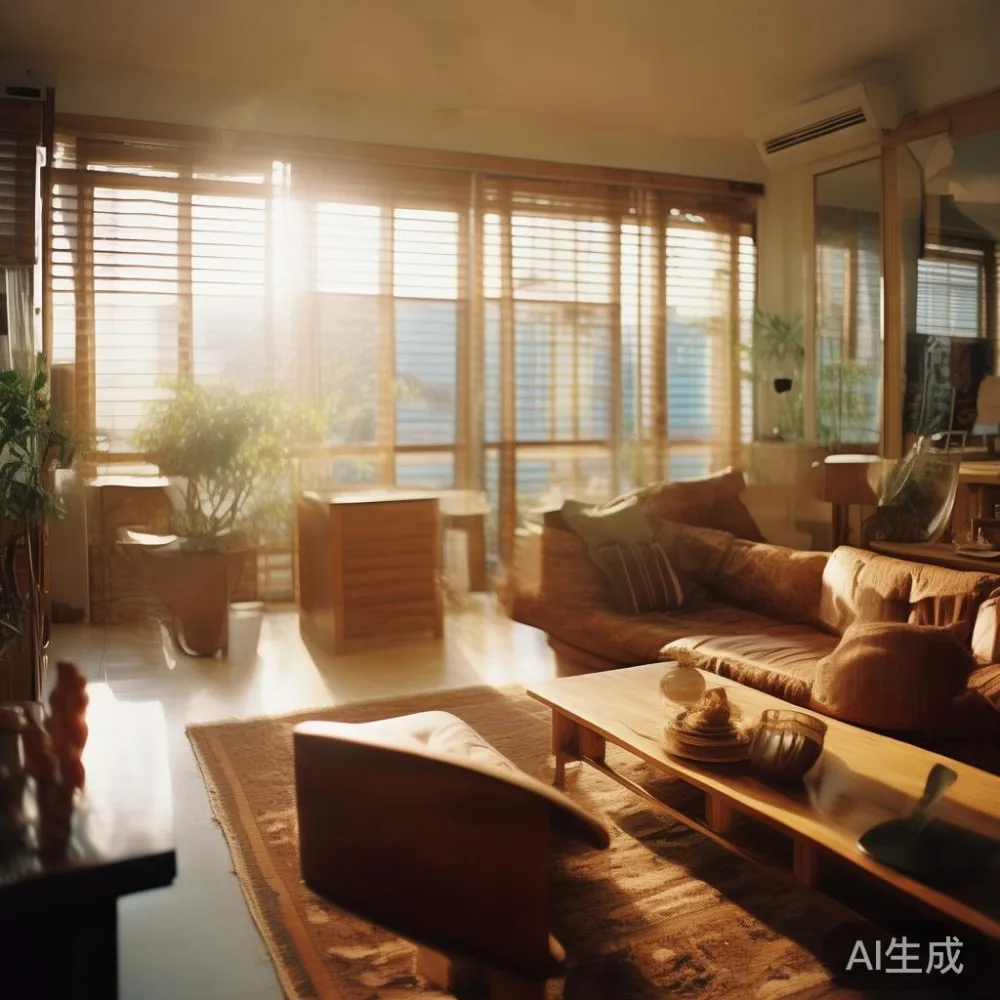
This guide explains how that moisture exchange works, what numbers actually matter, and how to keep pieces such as a solid wood sofa frame, a bed frame, a dining table, a wardrobe, and a nightstand looking right for years. I have included local measurements in centimetres, prices in Singapore dollars, and references to specific HDB estates such as Tampines, Bedok, and Punggol so the advice lines up with the way Singapore homes are actually laid out.
Why does humidity matter so much for solid wood furniture?
Solid wood is hygroscopic, meaning it absorbs and releases moisture until it reaches equilibrium with the surrounding air. When humidity rises, the cells inside the wood swell; when humidity falls, they shrink. This movement happens across the grain more than along it, so a 200 cm-long tabletop will typically change width by 4–6 mm across a 20 % swing in indoor humidity, while length changes only about 0.5 mm.
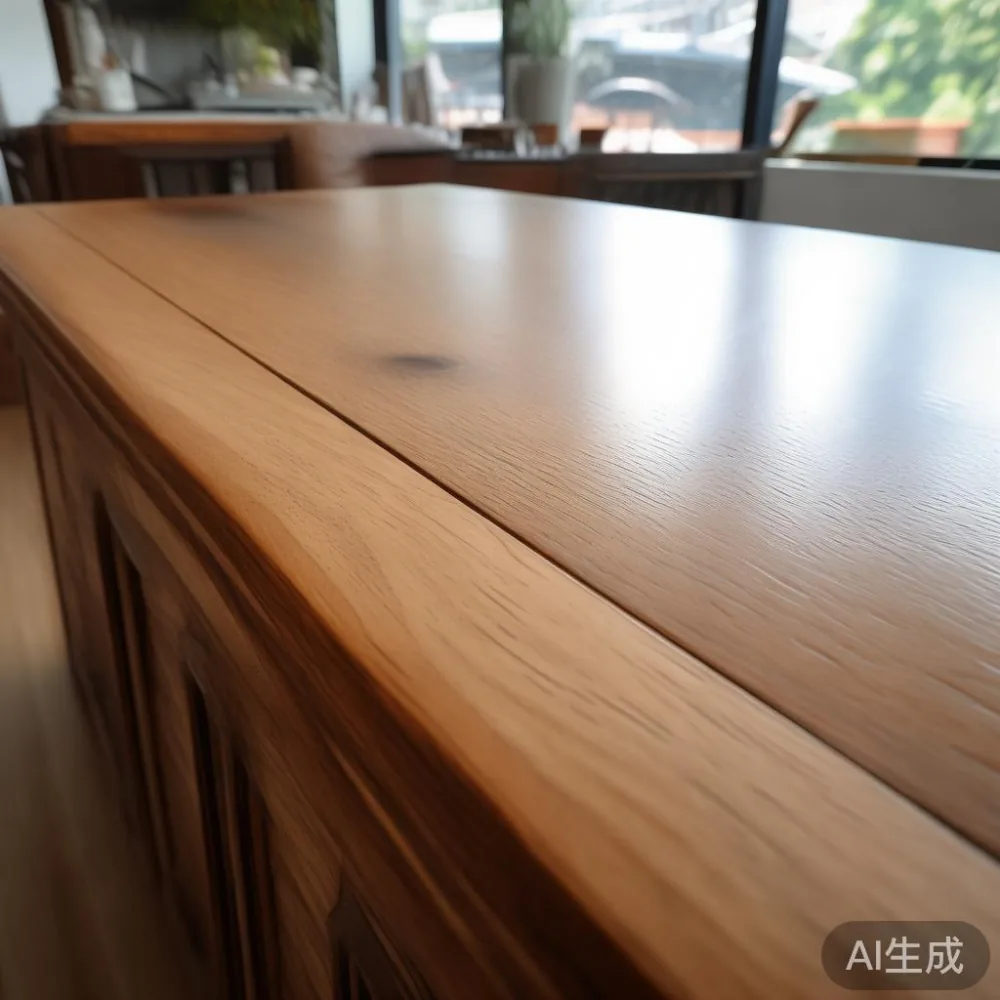
In Singapore, outdoor humidity reads between 72 % and 92 % across the year. Once you turn on the air-conditioner, the room can drop to 50–55 % within an hour. The wood at the surface responds quickly; the core responds slowly. That mismatch sets up internal stress, and that stress shows up as checks, cupping, or seasonal gaps at the joints of a wardrobe or a bed frame. Engineered boards and veneers hide this movement because the layers are glued in opposing directions. Genuine solid wood cannot hide it, and that is also why so many homeowners in Tampines and Bedok notice the difference when they upgrade from a laminate piece to a real solid wood dining table.
What humidity range is safe for solid wood in a Singapore home?
The short answer is 40 % to 60 % relative humidity, with a target band of 45–55 %. Below 35 %, expect surface checking and joint shrinkage in a solid wood bed frame. Above 65 %, expect swelling, sticky drawers in a wardrobe, and the musty smell that points to surface mould on unfinished undersides.
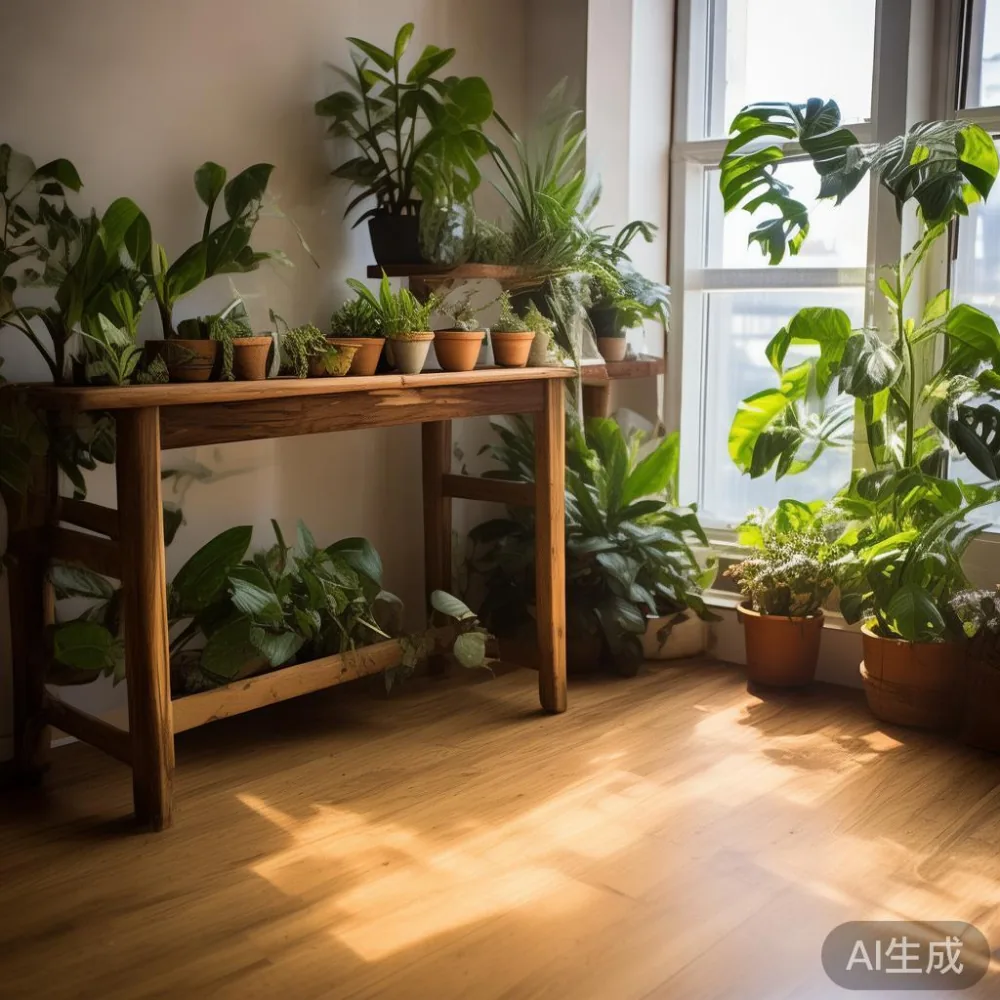
A SGD 35 digital hygrometer from a Tampines Hub shop is enough to start. Place it on the inside of a wardrobe door, at mid-height, away from direct sunlight. Read it at 8 a.m. before the air-conditioner has been off for an hour, and again at 6 p.m. The gap between those two numbers is your daily swing. If it exceeds 15 %, you have a problem worth solving with a small dehumidifier rather than with a coat of polish.
How does Singapore's monsoon cycle hit furniture differently across the year?
The Northeast Monsoon (December to early March) and the Southwest Monsoon (June to September) push outdoor humidity to its yearly extremes. Between them, the inter-monsoon months in April–May and October–November bring thundery afternoons and the highest indoor humidity readings we see in customer homes.
In our workshop, we condition boards for 21 days at 55 % ± 2 % before machining, and we run a second 14-day rest after assembly. That conditioning is why a well-made solid wood dining table from a manufacturer with export experience, such as MIDHILL, arrives acclimatised rather than still adjusting. Even so, the piece will continue to respond to your home. Expect a wardrobe door to swell by 1–2 mm during a wet December week and to ease back in February when the air-conditioner runs more often.
The HDB layout matters too. A 4-room flat in Punggol with cross-ventilation windows on two sides can swing 10 % faster than a Bedok condo unit with smaller hopper windows. A walk-up corridor flat without lift access also tends to stay more humid because drying laundry indoors adds moisture — something I have measured at roughly 4 kg of water per standard 5 kg load into a 60 m² room.
How do I style a Nordic nightstand in a small apartment?
A Nordic nightstand reads as calm, pale, and functional, so pair a 45 cm-wide solid wood nightstand with a low-profile bed frame, one ceramic lamp, a stack of two hardcovers, and a small tray for daily items.
Keep a 10 cm gap on the wall side so air can move behind the piece and humidity can equalise; this single habit reduces mildew risk by a measurable margin in HDB flats where the wall is often the coolest surface in the room. Skip the heavy tablecloth and the glass top — both trap moisture against the wood. If you want a stronger visual link to the rest of the room, repeat the same light oak or ash tone on a 120 cm console table across the room, and let a marble table on the dining side provide contrast without competing for warmth.
What room-by-room fixes actually work in a HDB flat or condo?
Bedroom. Keep the air-conditioner at 23–25 °C with a fan on low. A 1.5匹 split unit running for 8 hours will pull a 12 m² bedroom down to about 50 % RH on a humid night. Place the solid wood bed frame at least 15 cm off the wall to allow airflow behind the headboard. If your wardrobe sits against an external wall, line the back panel with a 6 mm cork sheet — SGD 22 per m² at most hardware stores — and the internal humidity will stay more stable.
Living room. A solid wood sofa with a removable cushion system handles humidity better than a fixed-upholstery frame because you can lift the cushions and let the slatted base breathe once a week. Keep the sofa 60–80 cm from any open balcony door during a thunderstorm to avoid direct exposure to 85 %+ air. Wipe the slats with a dry microfibre cloth every fortnight; a 30-pack of cloths costs about SGD 18.
Dining area. Your dining table should sit away from the kitchen door — minimum 90 cm — so cooking steam does not drift across the top three or four times a day. Use felt pads under any marble table placed nearby; the thermal mass difference between marble and wood can cause local condensation on cool nights.
Storage. A wardrobe against a bathroom wall is the highest-risk spot in the flat. Add a 200 g pack of food-grade silica gel (around SGD 12) on the top shelf and replace it every 60 days. For a 3-door wardrobe, two packs are better than one.
How long does delivery take, and what should you check on arrival?
For Singapore addresses, our standard delivery window is 7–14 working days from Foshan, with 10-year structural warranty and lifetime refinishing included. Shipping is free above US$350, which is roughly SGD 480 at today's rate, and a 14-day return window covers change-of-mind on stocked items.
On arrival, before the delivery crew leaves, do three things. First, run your hand across the underside of a tabletop — it should feel room-temperature, not cold and damp. Second, open one drawer of the wardrobe and slide it; resistance suggests the piece was packed in higher humidity than your home. Third, measure the diagonal of the top with a tape and check it matches the spec sheet within 3 mm. Delivery crews on Singapore routes carry piano tape measures because lift and corridor widths in older blocks — typically 80 cm doors and 90 ° turns on landings — make a 210 cm wardrobe a tight fit if tolerances are off by even 5 mm.
Is French light luxury solid wood a good fit for Singapore humidity?
French light luxury solid wood leans on restrained carving, slim profiles, and warm finishes such as natural oak, ash, or walnut. The slim profiles are practical here: there is less cross-section to swell, so movement is smaller and easier to live with. A 220 cm French-style dining table with tapered legs will move less than a chunky post-modern light luxury alternative of the same span.
American light luxury, by contrast, favours thicker tops and more visible joinery, which looks generous but asks more of the indoor climate. If your home runs 50–55 % RH most of the year, both styles hold up. If you cannot keep humidity controlled, lean French or Nordic. For customers who ask about something more design-forward, French industrial style korea influences have started appearing in Singapore showrooms — slim metal frames married to thick solid wood tops — and the metal frame is forgiving because it does not absorb moisture the way a thick wooden apron does.
What does a proper care routine look like over a year?
Daily. Wipe spills within 10 minutes; water left on an oak surface for 30 minutes can raise the grain visibly.
Weekly. Dust with a dry microfibre cloth along the grain. Avoid silicone sprays — they build up and cloud the finish.
Monthly. Check hygrometer readings and the tightness of wardrobe and bed frame bolts. A 4 mm hex key takes 10 minutes to retighten every accessible bolt.
Quarterly. Apply a thin coat of hard wax oil on high-touch surfaces such as dining table tops and bedside nightstand edges. A 500 ml tin covers a 6-seater table twice and costs around SGD 45.
Yearly. Inspect the back panels of wardrobes and the underside of bed frames for discolouration. If you see grey staining, the humidity has been too high for too long and you need to address the room, not the furniture.
Where to put the hygrometer, and other small habits that pay off
One hygrometer per 25 m² is enough for most HDB layouts. Place one in the master bedroom, one near the dining table, and skip the kitchen and bathroom because the readings there will mislead you. Calibrate it once a year using the salt test: a coffee cup, table salt, a zip bag, and 6 hours will confirm the reading within 2 %.
Keep solid wood pieces at least 30 cm from any operable window, and avoid placing a nightstand directly under a window that is opened for cross-ventilation. The microclimate within 20 cm of an open window during a wet afternoon can sit 12–15 % higher than the centre of the room, which is enough to bow a shelf over a single monsoon week.
Common questions from Singapore customers
"Will air-con dry out my solid wood bed frame?" It will, if you set it below 22 °C for long stretches. Stay above 23 °C and pair it with a fan, and the bed frame will sit comfortably between 50 % and 55 % RH.
"Is a marble table better in a humid place?" Marble does not respond to humidity the way wood does, but it responds to temperature and to acidic spills. Use it in the dining area, not next to the bathroom.
"How wide can a single-piece solid wood top go before it cups?" For a typical dining table, 90–100 cm is comfortable. Beyond 110 cm, expect seasonal cupping of 1–2 mm at the centre edges unless the piece is held flat by a sturdy apron or battens.
"Do I need a dehumidifier if I run the air-con?" Often yes, in smaller rooms where the air-con short-cycles. A 12 L dehumidifier (around SGD 280) covers a 90 m² HDB flat adequately for bedroom and living room use.
None of this replaces looking at the piece in your own home. Numbers guide you, but your eyes and your hygrometer will tell you the truth. Take a reading the day your new solid wood dining table arrives, and again one month later, and you will know exactly what your home is asking of the wood.