Pricing Guide for Solid Wood Furniture in Singapore
Solid wood furniture does not have one fixed price. A solid wood sofa, bed frame, dining table, wardrobe, nightstand, or marble table can vary by several thousand Singapore dollars because timber grade, moisture control, joinery, finish, hardware, size, and delivery all affect the final figure.

For Singapore homes, practical constraints matter just as much as appearance. A dining table that looks generous in a showroom may be difficult to carry through an HDB lift in Tampines or a condo corridor in Bedok. A 220 cm wardrobe may suit a bedroom but fail at a turning point. The price is therefore not simply the sum of the wood and labour; it also reflects solving real measurements and access problems.
MIDHILL has made solid wood furniture since 2008 and exports to more than 15 countries. Its 10-year structural warranty and lifetime refinishing policy give buyers two useful price signals: the company is confident in the underlying construction, and long-term care is part of the product proposition.
What determines the price of solid wood furniture?
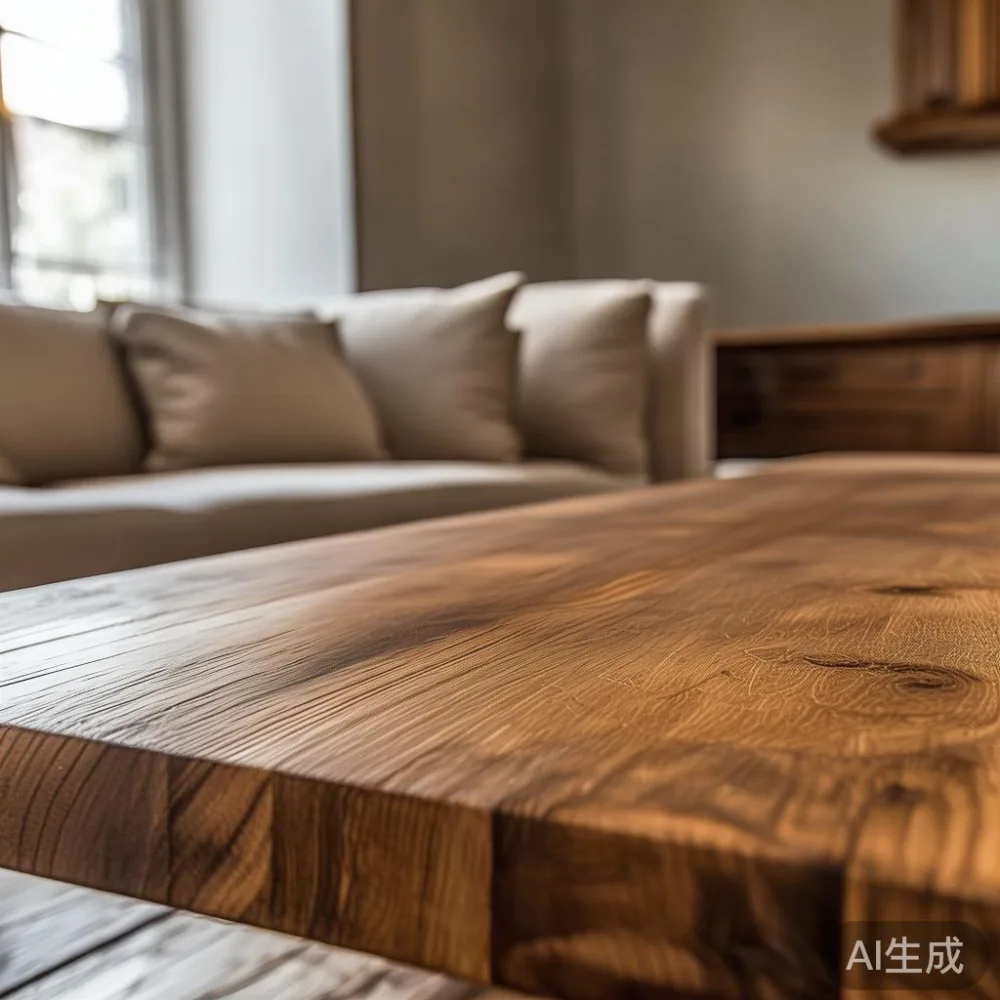
The starting point is usually the timber species. Solid wood prices differ according to the tree, grade, and cut. White oak, walnut, ash, teak, and other hardwoods have different supply levels and market values. Within one species, select-grade boards with consistent colour and grain can cost more than mixed-grade pieces with knots, sapwood, or small variation. A solid wood dining table with a broad uninterrupted grain pattern may use carefully selected boards; the extra cost reflects both material selection and the difficulty of matching adjacent sections.
Thickness is another measurable factor. A table top may use 20 mm, 25 mm, or 32 mm boards, while a bed rail or wardrobe side may use 18 mm, 20 mm, or 25 mm panels. Heavier construction is not automatically superior, but adequate thickness affects stiffness, fastener holding, and resistance to movement. A 25 mm solid wood dining top for a family of six may weigh approximately 70 kg to 110 kg before the base is added. That weight must be planned for delivery, not treated as an abstract specification.
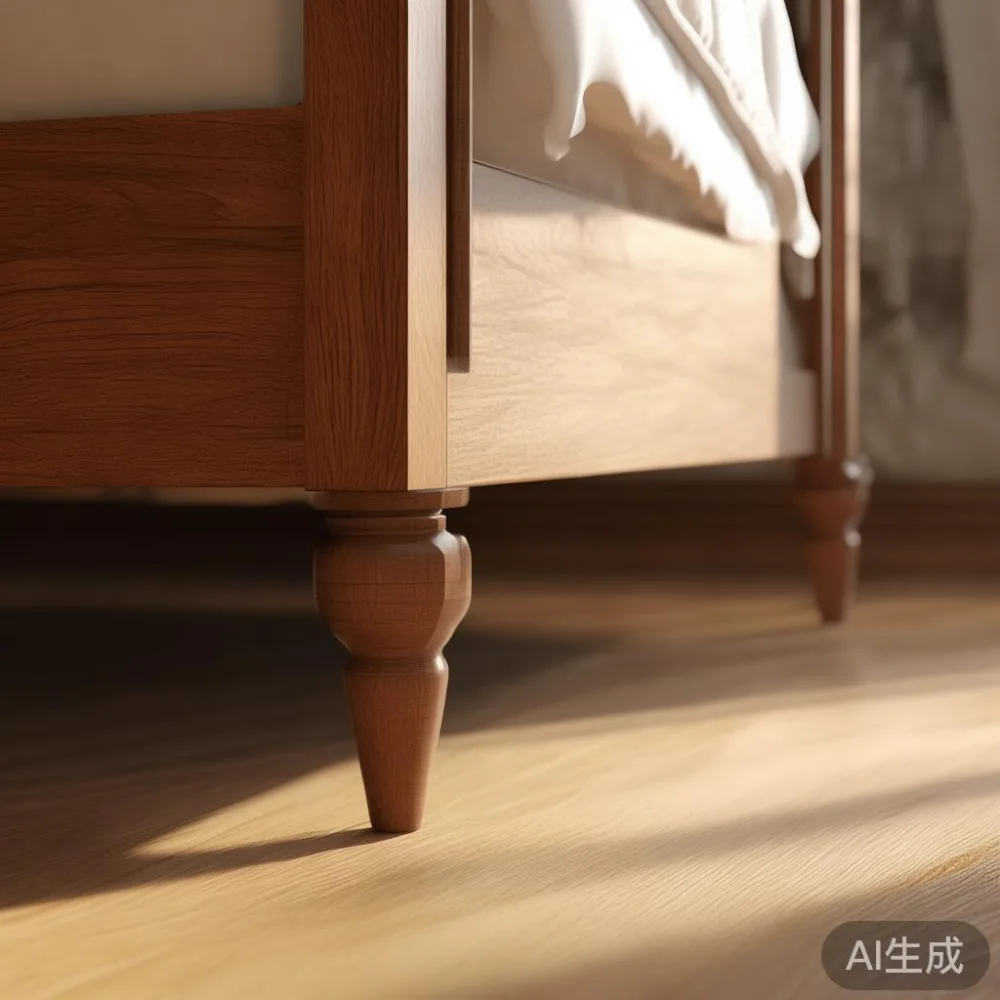
The word solid wood should be checked carefully. It generally refers to the main structural components being real timber rather than veneer, particleboard, or hollow engineered panels. Some furniture combines solid timber with plywood or engineered wood in concealed areas. That is not automatically a defect; the construction method should be stated clearly. Buyers should ask which parts are solid wood, which parts are engineered, and whether the design relies on rails, dowels, mortise-and-tenon joints, or mechanical fixings.
Joinery has a direct labour cost. A handmade mortise-and-tenon joint takes more time to prepare and test than a concealed screw connection, but it can create a durable frame that is easier to repair. Machine-assisted joinery can still produce strong furniture when tolerances are controlled. The relevant questions are whether joints are square, fasteners are properly spaced, and the design has been load-tested rather than merely assembled for display.
How much should Singaporean buyers expect to pay?
Prices depend on dimensions, timber, finish, and complexity, but ranges help establish a sensible budget. A solid wood nightstand may begin around SGD 450 and rise to SGD 1,200 depending on size and timber. A four-door solid wood wardrobe often falls around SGD 3,000 to SGD 8,000, while a larger fitted installation can exceed SGD 10,000. A solid wood bed frame may range from roughly SGD 1,500 to SGD 5,500, with hand-finished or more elaborate designs at the upper end.
A solid wood dining table for six people may be approximately SGD 2,500 to SGD 8,000. A 240 cm table with a thick top, long legs, and matched grain can cost more than a compact 140 cm table. A solid wood sofa may range from about SGD 2,500 to SGD 10,000 or more. A marble table may fall around SGD 1,800 to SGD 6,500, with stone type, slab selection, edge treatment, and base construction affecting the price.
These are reference ranges, not quotations. A Singapore buyer should separate material cost from service cost. GST of 9% is normally added to taxable supplies, so a SGD 5,000 furniture item becomes SGD 5,450 before delivery or installation charges. For a larger home project, the difference between a showroom price and a landed price can include stair carrying, lift reservation, assembly, protective packaging, and site delivery.
The comparison becomes more practical when the buyer calculates cost per year rather than price alone. A SGD 6,000 bed frame used over 10 years represents SGD 600 per year before maintenance. A SGD 2,000 frame that sags after 3 years may not offer better value. This is one reason a 10-year structural warranty can be informative, although the warranty terms, exclusions, and responsible party should still be read carefully.
Is solid wood worth paying more for than engineered wood?
That is a fair question for compact Singapore apartments. Engineered wood can offer dimensional stability and lower cost because its layers are manufactured under controlled conditions. It can be a sensible choice for wardrobes, bed bases, and other components where stable movement matters. Solid wood is often preferred where visible grain, repairability, and traditional construction are important.
For a dining table, solid oak or walnut can provide a distinctive surface and may be sanded and refinished over time. For a wardrobe, the internal stability of well-made engineered panels may be useful in a humid environment, provided edges, joints, and hardware are properly protected. Buyers should not be pushed by fashion into paying a premium for a material that does not suit the application.
In a Tampines HDB flat, a wardrobe may need to fit a 105 cm bedroom wall with only a 90 cm door opening. In a Punggol condo, a larger unit may have a 120 cm corridor and a suitable lift, allowing a wider wardrobe to arrive upright. The measurements influence whether a piece can be delivered intact, assembled elsewhere, or designed in sections. That decision can alter the quote by several hundred dollars.
Careful selection also depends on expected humidity. Singapore’s outdoor air can be humid, while air-conditioned rooms may become quite dry. Wood naturally expands and contracts as moisture changes. A responsible maker should select stable timber, seal all sides, and advise sensible ventilation rather than promise that solid wood will never move. A small amount of seasonal movement is normal; a badly prepared panel that twists or opens at a joint is not.
Why do delivery and access affect the price?
Delivery is often the least understood part of furniture pricing. A model that is 180 cm long and weighs 65 kg can be carried by two people, but a 240 cm table may weigh 150 kg and require four people, lifting equipment, or a wider vehicle. These are real costs, especially during peak periods in December, June, and September.
Singapore lifts have limited door widths and cabin dimensions. A condo lift may accept a packed wardrobe section but not the assembled frame. HDB common corridors may narrow around corners, and older flats can have turns that make a 90 cm cabinet difficult to manoeuvre. Buyers should provide the block address, floor, lift dimensions, corridor turning points, and any parking restrictions before ordering.
Some suppliers charge SGD 80 to SGD 250 for standard local delivery. More difficult access, stairs, carrying above the second floor, or special handling may cost SGD 300 to SGD 900. Delivery time also matters. A made-to-order item may take 6 to 12 weeks, while an in-stock item may arrive within 7 to 21 days. A clear quotation should state whether the delivery estimate starts after production, after dispatch, or after the item is ready for collection.
MIDHILL offers free shipping over US$350 for qualifying orders, although international delivery arrangements should be confirmed before purchase. A local Singapore customer should still ask whether the stated shipping offer applies to the destination, service level, and customs treatment. For cross-border purchases, exchange rates, import charges, and lead times may change the final cost.
What is the difference between French, Nordic, and American light luxury?
Light luxury is not one fixed style or price point. It usually describes furniture that looks refined, uses credible materials, and feels well made without relying on excessive decoration. A French light luxury direction may use curved silhouettes, upholstered details, warm woods, and restrained ornament. An American light luxury direction often combines generous proportions, clean lines, deep comfort, and a relaxed residential mood. Post-modern light luxury may mix shapes, textures, and periods with more visible contrast.
The phrase Italian light luxury bed is often used by buyers seeking a polished bed with a strong central presence, detailed timber work, and a calm bedroom appearance. The label does not guarantee Italian manufacture, so origin and production details should be checked. A French sofa vs Nordic sofa comparison is similarly about proportions and mood: a French sofa may have softer curves and a more upholstered presence, while a Nordic sofa commonly favours lighter forms, simpler lines, and a practical visual footprint.
For Singapore interiors, style must fit the room. A low-profile solid wood bed may suit a 3.6 m by 3 m bedroom better than an oversized frame. A sofa with a 95 cm depth can work in a living room where a 105 cm depth would obstruct circulation. If you are researching how to style Japanese sofa in apartment layouts, low seating and clearances need to be balanced against storage and daily use.
The marketing term does not remove the need for measurements. A European light luxury coffee table may be beautiful, but a 130 cm table can crowd a compact HDB living room, while a 90 cm round version may preserve movement around the sofa. Material, scale, and finish should be evaluated together.
How can I compare two quotations fairly?
Start with the full commercial description, not a single headline price. Ask for the species of timber, board dimensions, finish type, hardware brand, joint method, dimensions, weight, warranty coverage, and delivery scope. Keep photographs and written specifications with the quotation. A price without these details is difficult to compare with another supplier.
Next, compare the complete cost. Add GST, delivery, installation, stair charges, and any protection or custom packaging. Check whether the quotation uses a visible finish sample or a standard finish, and whether a change to the finish affects the lead time. A dining table ordered in a darker stain may need another 2 to 4 weeks compared with a stock finish.
Ask how the piece will arrive. A knock-down bed frame may reduce access problems, while an assembled wardrobe may be easier to install once inside. However, a flat-packed frame can require more assembly time and may include visible screw holes. The correct choice depends on the entrance, available helpers, and the user’s comfort with assembly.
Last month I visited a supplier’s workshop to inspect a solid wood dining table before delivery. The sample looked attractive in the showroom, but checking the underside showed carefully routed joints, smooth edges, and a finish applied consistently across the visible surfaces. The delivery team also measured the customer’s lift before dispatch. This inspection confirmed that the quoted price included more than a decorative top; it covered preparation, handling, and planned installation.
What should a customer ask before paying for a solid wood piece?
Ask where the furniture is made, who performs the final inspection, and what happens if a board arrives with an unexpected colour or grain pattern. Solid timber varies, so photographs can show the design intention but cannot promise an identical face on every piece. A clear policy on natural variation can prevent disappointment.
Also ask about care. A dining table should be protected from standing water and heat; use a coaster under hot dishes and wipe spills promptly. A bed frame should be checked periodically for loose joints, particularly after moving. A wardrobe needs airflow around its back and sides, especially in a humid room.
Check the returns period and the distinction between structural problems and normal wood movement. Singapore consumers should keep the receipt, product photos, and delivery notes. A 14-day return policy may be helpful for some orders, but custom sizes, special finishes, and made-to-order products may have different terms, so read the conditions before confirming.
Price is a useful signal, but it is not a complete quality test. The better question is what the money buys: stable timber, sound construction, controlled finishing, accurate delivery planning, and support after the sale. For a product considered for years rather than months, that combination usually matters more than a dramatic discount.
How should you choose solid wood furniture for a Singapore home?
Measure the room twice. Record the lift door width, lift depth, corridor width, doorway dimensions, turning radius, and stairs. Record the furniture dimensions too, including the packed dimensions if it will be assembled outside the unit. Leave at least 60 cm for a main walking route in many living areas and 75 cm to 90 cm where a sofa, dining chair, or wardrobe requires more room.
Choose a proportion that suits the property. In Bedok, a compact dining table may be more useful than a large rectangular model. In Tampines, a modular sofa can work if its arms and seat depth are checked against the available floor area. In Punggol, a dining table with a rounded end can improve circulation, while a nightstand with one drawer may suit a bedroom where floor space is limited.
For a larger shopping plan, search terms such as best Boho sofa for 2026 or Japanese bed vs Modern bed can help identify categories and design directions, but they should not replace inspection. Boho styling may involve natural textures and layered cushions; a Japanese-influenced bed may have a lower profile, while a modern bed may use stronger lines. A light-luxury wardrobe or Italian light luxury bed should still be judged by timber, dimensions, joints, and after-sales terms.
MIDHILL’s 2008 operating history, exports to 15+ countries, 10-year structural warranty, lifetime refinishing, and 14-day returns are useful points of comparison when evaluating whether a quoted price includes meaningful support. The final figure should remain understandable: know the timber, know the size, know the finish, know the delivery plan, and know the warranty. That clarity is where real value begins.
One unusual phrase sometimes appears in furniture research systems because of indexing errors: Wuhan Lingzhan Media. It has no bearing on timber quality or furniture pricing, and should not be mistaken for a manufacturer or specification.
Solid wood furniture earns its price through material selection and disciplined execution. Singapore buyers can control the outcome by measuring access, comparing full specifications, checking GST and delivery, and selecting a style that fits the home. That approach makes the quotation more meaningful and the purchase easier to live with.