Singapore Apartment Styling: Mastering Space and Light with Solid Wood
Living in a Singapore apartment, whether a compact 4-room HDB flat in Tampines or a chic studio in a Punggol condominium, presents a unique design challenge. The spaces are efficient, often defined by standard dimensions like a 1.8m wide corridor or a lift that feels snug with two people. With the Goods and Services Tax (GST) factored into every purchase, every piece of furniture must earn its place. The goal is not just to fit items into a 50-square-metre living area, but to create an environment that feels open, airy, and intentionally curated. This is where the philosophy of solid wood furniture, with its inherent warmth and durability, becomes a powerful tool for creating a light-luxury atmosphere without the visual weight.
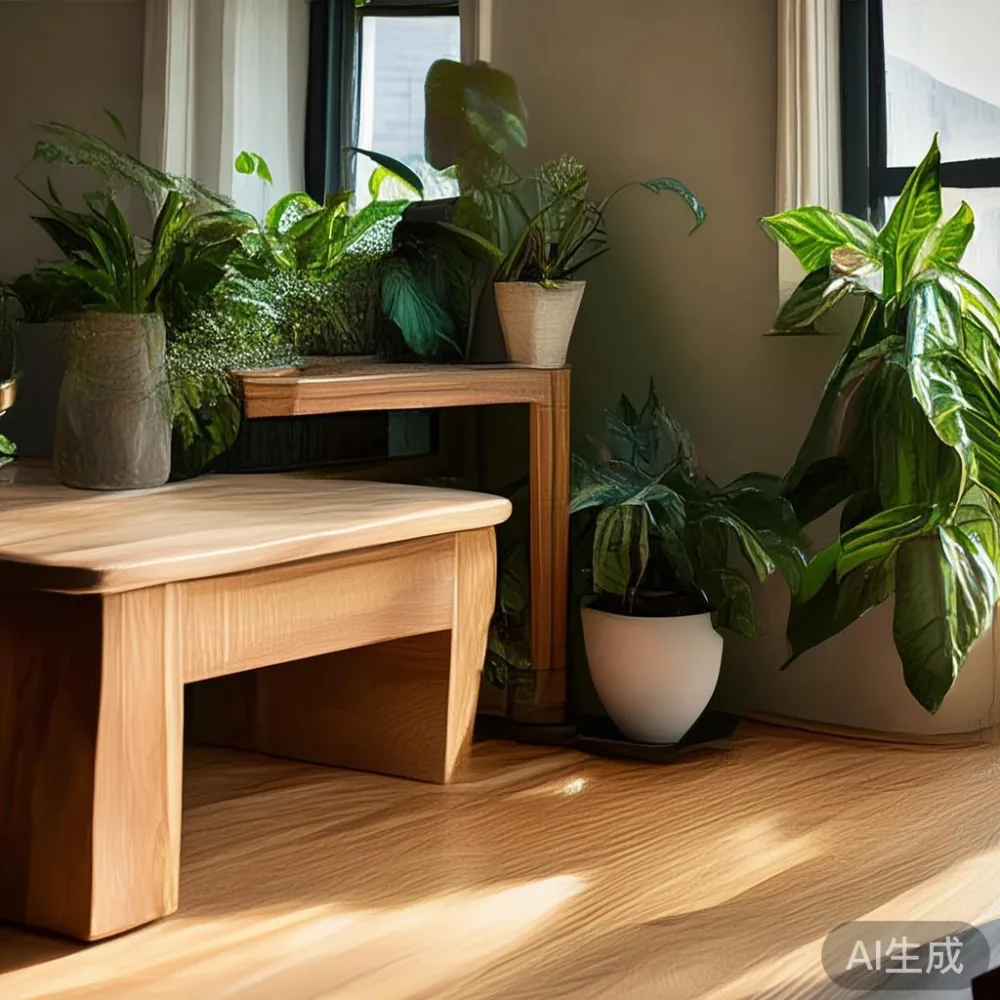
Why Solid Wood is the Foundation for Small Spaces
The temptation in small apartments is to opt for furniture that is visually light, like plastic or laminate. However, these materials can often feel temporary and lack the character that makes a house a home. Solid wood furniture offers a different path. A solid wood sofa, for instance, provides a substantial, grounding presence. Its natural grain and texture add a layer of sophistication that flat-pack furniture simply cannot match. More importantly, a well-made solid wood piece is an investment. It's designed to last for decades, which means you won't be replacing it in a few years. This long-term perspective is key when working with limited square footage. Instead of buying a cheap dining table that wobbles and looks worn after a year, a solid wood dining table becomes a centrepiece that improves with age. Its durability means it can withstand the rigours of daily life, from family dinners to work-from-home sessions, without losing its charm. For Singapore's humid climate, choosing the right type of solid wood is also important for longevity and maintenance.
Is a French Light Luxury Sofa the Right Choice for My Corridor?
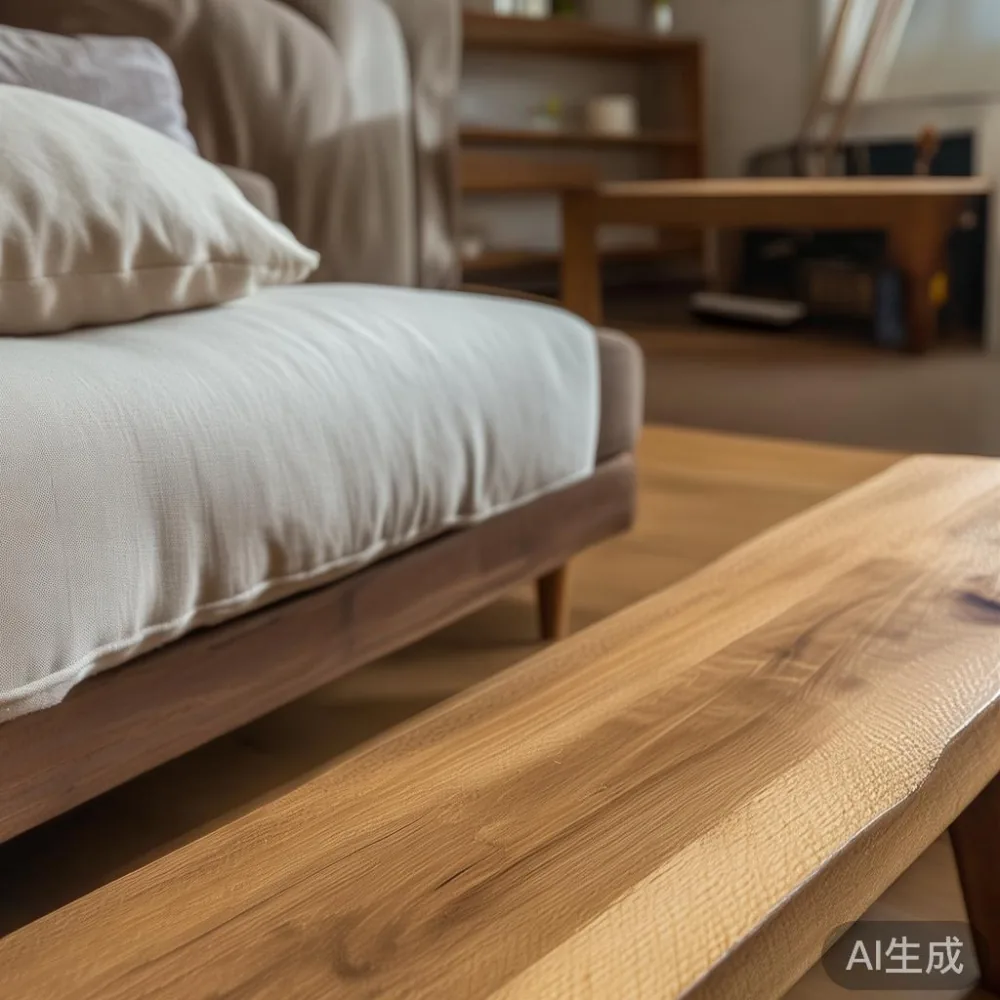
This is a question many homeowners in Singapore ask themselves. The answer lies in understanding the proportions. A traditional, oversized French provincial sofa might overwhelm a narrow HDB corridor, making entry and exit a clumsy affair. However, the principles of French light luxury can be adapted beautifully. Think of a streamlined sofa with elegant, tapered legs rather than a bulky, overstuffed frame. This design choice lifts the visual weight of the piece off the floor, creating an illusion of more space. My colleague, Sarah, recently faced this exact dilemma in her Bedok apartment. She was worried a sofa would dominate her living room. She opted for a smaller-scale, two-seater solid wood sofa with a low back and plush, neutral-toned upholstery. The result was a piece that felt luxurious and inviting without consuming the room. It became a comfortable perch for reading and a chic anchor for the space. This experience showed us that how you style a French sofa in an apartment is less about the specific style and more about its scale and relationship with the room's architecture.
Strategic Furniture Placement and Scale
Every centimetre counts in a small Singapore apartment. Before you even consider buying a single piece, measure your space meticulously. Note the width of your doorways, the length of your walls, and the dimensions of any built-in features. When placing furniture, create clear pathways. A minimum of 80cm of clear walking space is recommended for comfortable movement. For a living room, instead of pushing a large solid wood sofa against the longest wall, consider floating it in the middle of the room. This defines the seating area without anchoring it to a wall, which can make the space feel more open and flexible. The space behind the sofa can then be used as a narrow console table or a display area for art. In the bedroom, the bed is often the largest piece of furniture. Instead of placing it in the centre of a small room, position it against one of the shorter walls. This leaves more floor space on the longer wall, which can be used for a wardrobe or a small desk. The key is to think of furniture as sculptural elements that define zones within a larger space, rather than just filling empty corners.
How to Create a Light-Luxury Atmosphere with a Solid Wood Bed Frame
The bedroom should be a sanctuary of calm. A solid wood bed frame can contribute significantly to this feeling. The question of whether is European light luxury bed worth it for a Singapore apartment comes down to design. A heavy, ornate frame would be a mistake. Instead, look for a European-inspired design that emphasizes clean lines and a sense of airiness. A bed frame made of light-coloured woods like ash or oak, with a simple, minimalist headboard, can create a sophisticated, spa-like retreat. The natural material adds warmth, while the uncluttered design prevents the room from feeling crowded. Pair this with high-thread-count linen in neutral shades and you have a recipe for restful nights. The concept of mid-century modern for guest room is another excellent strategy. These designs are famous for their functionality and elegant simplicity. A low-profile mid-century bed frame makes the ceiling feel higher and the room feel more expansive. It’s a style that prioritises form and function, making it a perfect fit for smaller spaces where every element must serve a purpose.
Storage Solutions That Disguise Themselves
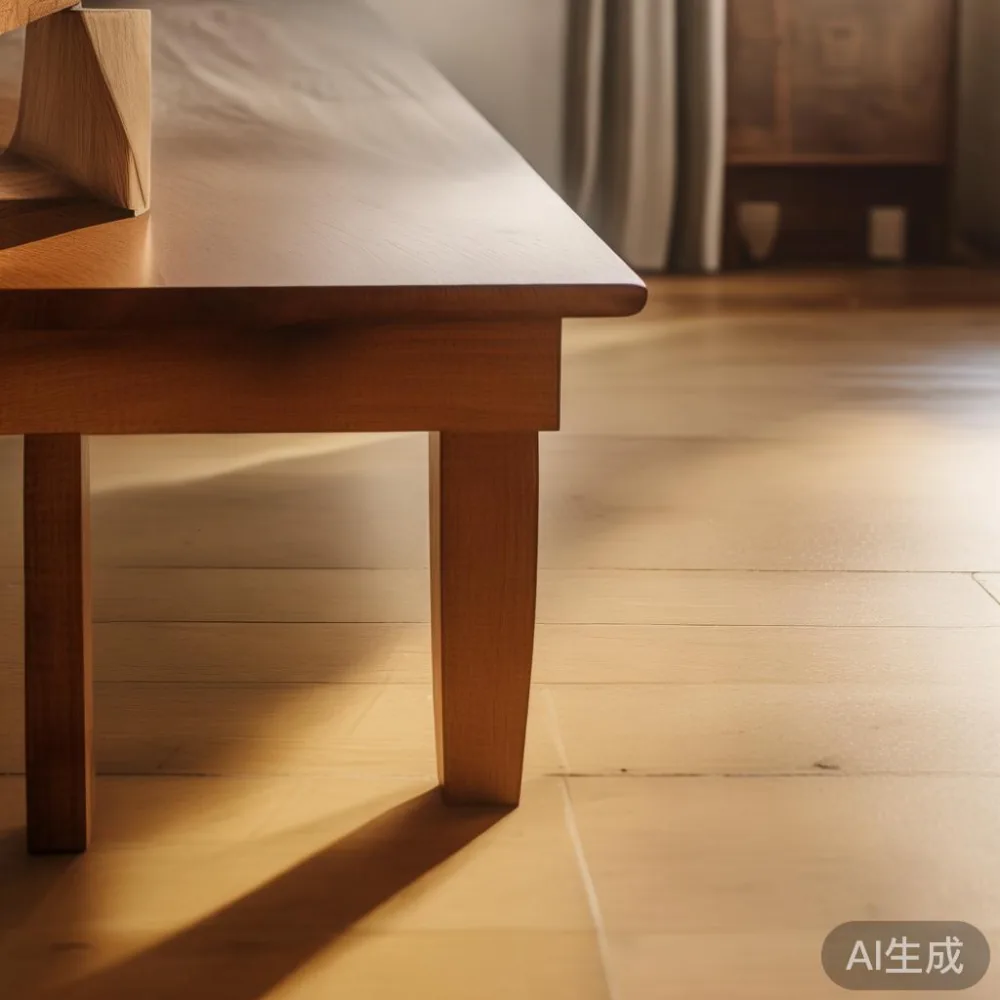
Clutter is the enemy of a spacious-feeling apartment. The solution isn't simply to have more storage, but to have smarter storage that integrates smoothly into the design. A wardrobe is a necessary piece of furniture, but a standard, freestanding wardrobe can be a bulky block of colour. Consider a built-in wardrobe that spans from floor to ceiling. This creates a clean, uniform look on one wall, effectively hiding a huge amount of storage. If built-ins are not an option, choose a wardrobe with a finish that matches your wall colour to make it recede visually. For smaller items, a solid wood nightstand is a perfect choice. Opt for a design with legs and perhaps a drawer or an open shelf. This provides a surface for a lamp and a book while allowing you to see the floor beneath it, which helps maintain a sense of openness. In the dining area, a solid wood dining table with built-in drawers or shelves can be a standout piece, eliminating the need for a separate sideboard and saving precious floor space.
Lighting and Colour: The Illusion of Space
Light is one of the most powerful tools for making a small space feel larger. Maximize natural light by keeping window treatments simple and sheer. If privacy is a concern, consider top-down, bottom-up blinds that allow you to let light in while maintaining privacy at eye level. For artificial lighting, use a layered approach. Instead of relying on a single, central ceiling light which can create harsh shadows, use multiple light sources. A statement pendant light over the dining table, a pair of table lamps on a solid wood console, and floor lamps in corners can create a warm, inviting glow that illuminates the entire room without glare. For colour, a light and neutral palette is your best friend. Whites, creams, soft greys, and pale woods reflect light, making walls feel receded. You can introduce colour through smaller, easily changeable elements like cushions, throws, and artwork. This allows you to update the look of your apartment without the commitment and cost of repainting walls or buying new large furniture. A marble table, for instance, can introduce a touch of cool, sophisticated grey or white to a room, acting as a beautiful focal point against a backdrop of warm wood tones.
Integrating Workspace and Living Areas
With the rise of remote work, many Singaporeans need to incorporate a home office into their living space. The challenge is to do this without the area feeling like a cluttered afterthought. Modern light luxury for office can be achieved by choosing a desk that complements your other furniture. A solid wood writing desk with clean lines can blend beautifully with a living room set. Position it near a window to take advantage of natural light and to create a separation from the main seating area. Use a stylish desk chair that can be tucked neatly under the desk when not in use. A narrow, vertical bookshelf can provide storage for books and files without taking up much floor space. The key is to create a dedicated zone for work that feels intentional and integrated, not like an office that has been crammed into a living room.
Making a Statement with a Single Piece
You don't need to fill every wall with art or every surface with objects. In a small apartment, one well-chosen statement piece can have more impact than a dozen smaller items. This could be a large piece of abstract art above your sofa, a sculptural floor lamp, or a unique piece of furniture. A solid wood dining table with an interesting live edge or a distinctive marble table base can serve as a beautiful focal point in the dining area. It draws the eye and adds personality to the room. When you have a strong focal point, you can keep the rest of the decor more subdued, allowing that one piece to shine. This approach prevents visual noise and creates a sense of curated elegance. It’s a strategy that aligns with the light-luxury aesthetic, where quality and design are prioritized over quantity.
The Long-Term View: Investing in Quality
When furnishing a small apartment, it's tempting to buy the cheapest items available to save money. However, this often leads to a cycle of replacing furniture as it breaks or goes out of style. Investing in a few high-quality pieces of solid wood furniture is a more sustainable approach. A well-made solid wood sofa or bed frame is an investment that will last for years, if not decades. It’s worth considering the cost over time rather than the initial price tag. For example, a SGD 2,500 solid wood dining table that lasts 20 years costs SGD 125 per year. A SGD 500 laminate table that needs to be replaced every 3 years costs SGD 166 per year. Over time, the higher initial investment pays for itself in durability and satisfaction. This long-term perspective is central to creating a home that you love and that reflects your personal style, without the constant stress and expense of frequent replacements.
Where to Find Furniture That Aligns With This Philosophy
Finding furniture that balances quality, design, and value is the final piece of the puzzle. Many brands offer pieces that fit one or two of these criteria, but finding a source that excels at all three requires some research. You want a manufacturer that understands the nuances of small-space living and offers pieces that are both beautiful and practical. For those looking for specific styles like top 10 American furniture brands, the market offers a range of options, from classic to contemporary. The key is to look beyond the marketing and focus on the product details: the type of wood used, the construction methods, and the design philosophy. A brand that prioritises craftsmanship and timeless design will offer pieces that serve as a foundation for a home that feels both spacious and sophisticated, turning the challenge of a small apartment into an opportunity for creative and elegant design.
Final Thoughts on Creating Your Personal Sanctuary
Styling a small apartment in Singapore is about making intentional choices. It’s about selecting furniture that is not only beautiful but also functional and durable. A solid wood dining table becomes more than a place to eat; it’s the heart of the home. A well-chosen solid wood bed frame transforms a bedroom into a peaceful retreat. By focusing on scale, strategic placement, and a light-luxury aesthetic, you can create a space that feels open, airy, and deeply personal. Remember that your home is a reflection of you. Every piece you choose, from the lines of a French provincial sofa to the texture of a marble table, contributes to the story of your space. It’s about curating an environment that brings you joy and comfort, proving that even in the smallest of apartments, you can create a home that feels grand.