Lacquered Solid Wood Care in Singapore’s Climate
Humidity is the quiet challenge behind many lacquered furniture problems in Singapore. In a Tampines HDB flat, a Bedok condo or a Punggol home, polished wood can look immaculate on delivery day and then show a pale haze, sticky patch or dull finish after weeks of monsoon air. The furniture has usually not failed; moisture, heat, dust and cleaning habits have simply challenged the lacquer.
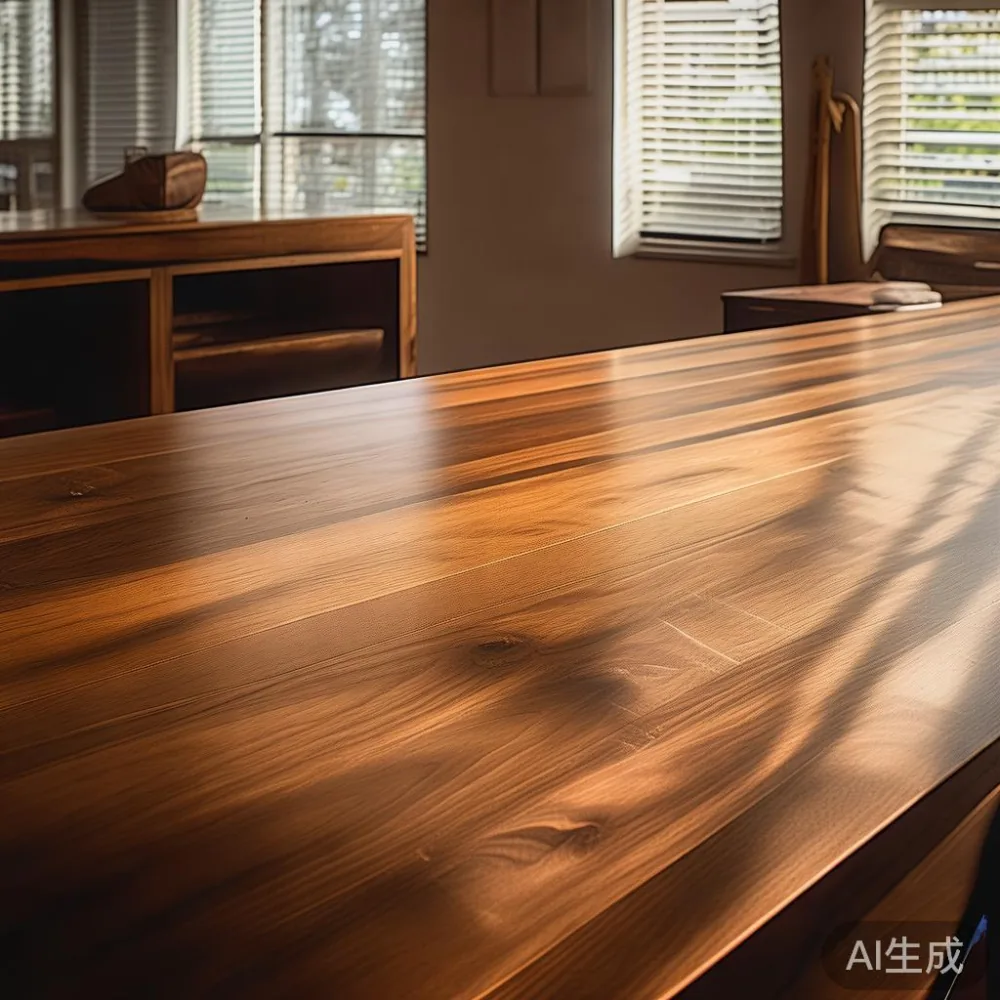
This guide explains how to protect lacquered surfaces on a solid wood sofa, bed frame, dining table, wardrobe and nightstand. It also considers narrow lift doors, shared corridors and high-rise sunlight, where a technically correct product may still need careful handling. MIDHILL makes lacquered solid wood pieces for local homes and international customers, supported by a 10-year structural warranty and lifetime refinishing service.
Why does lacquer behave differently in Singapore?
Singapore’s climate combines several stresses. Outdoor relative humidity often ranges from roughly 60% to 85%, while indoor air-conditioning can create a much drier environment. A cabinet beside a west-facing window may reach 40°C in the afternoon even when the living room feels comfortable. Overnight, relative humidity can climb past 80%.
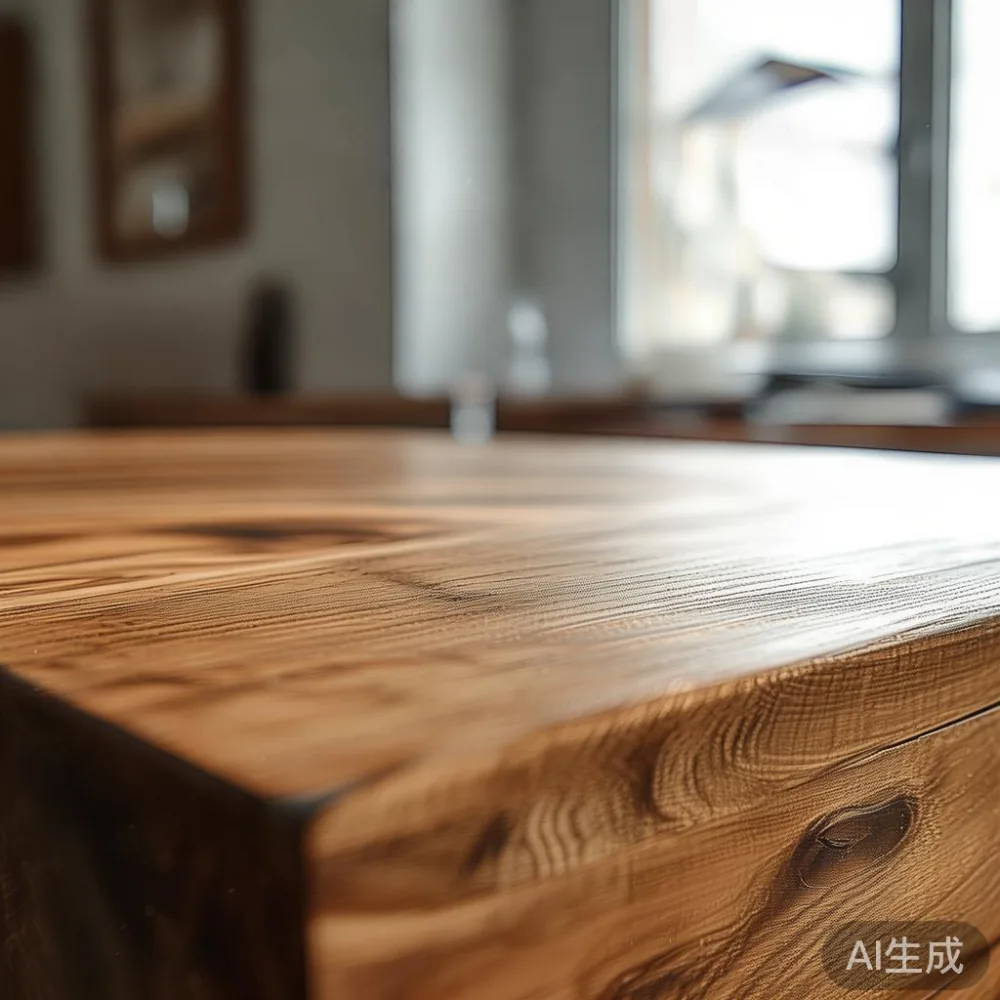
Lacquer is a thin protective coating, not a thick layer of plastic. Temperature swings may make it expand and contract by different amounts from the timber beneath it. Air entering through an open window or a frequently opened doorway can carry fine moisture into the finish. Repeatedly wiping a dusty surface with a damp cloth can also force moisture into small scratches.
The substrate still matters. Solid wood naturally moves with humidity, typically around 1–3% across its grain as environmental conditions change. A well-made lacquer system is designed to tolerate normal movement, but standing water, aggressive solvents and abrupt climate changes increase the risk of haze, blistering or peeling.
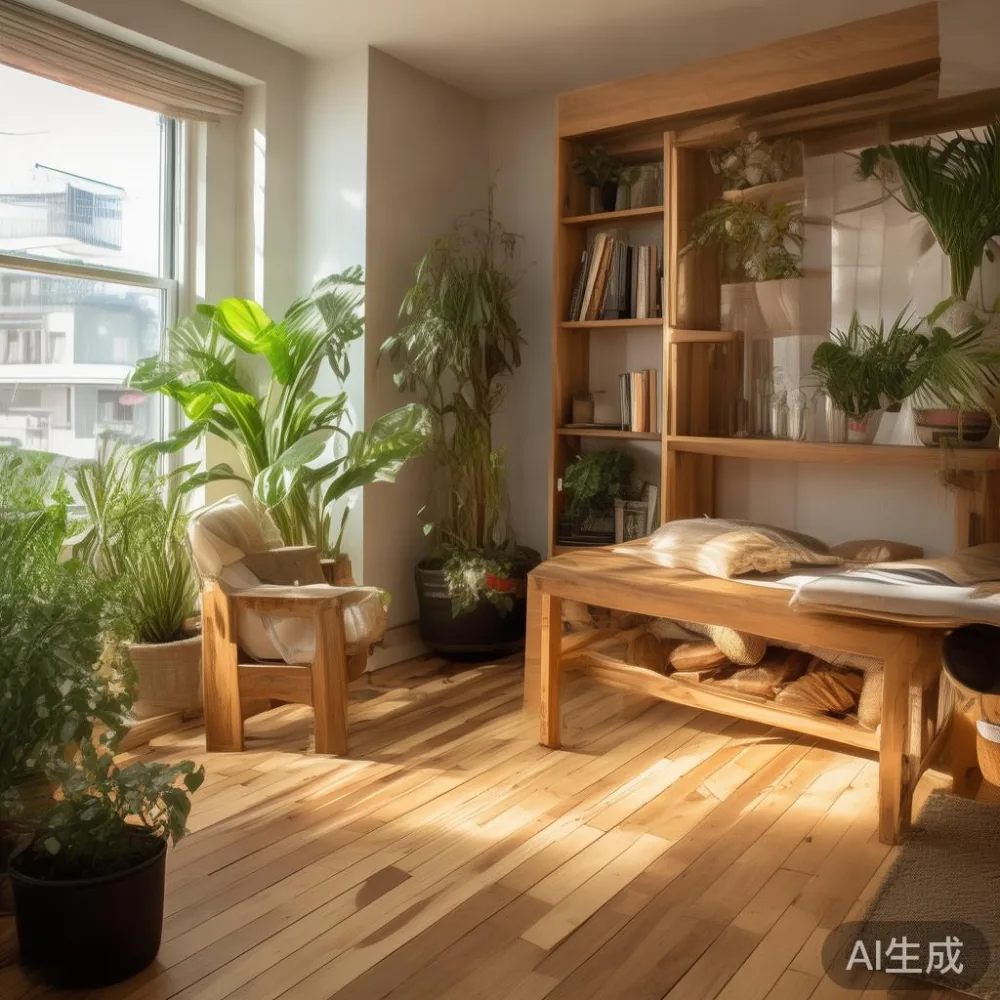
For furniture in a high-rise, aim for stable indoor conditions of about 20–30°C and 40–65% relative humidity. Use a hygrometer costing around SGD 12–35 to check the bedroom or study rather than relying on a weather forecast. Keep the unit away from air-conditioning vents, bathroom doors and direct sunlight.
How should I care for a lacquered dining table?
Place a light luxury dining table away from direct sun and do not leave cold drink glasses or hot pots directly on the lacquer. A hot pan at 80°C can soften a finish locally, while an ice-filled glass may create condensation. Use a trivet with at least 3 cm clearance beneath hot vessels and a separate coaster for cold drinks.
Clean the table every 1–2 weeks during humid periods. Vacuum or dust with a soft microfibre cloth, then wipe with a lightly damp cloth followed immediately by a dry cloth. The damp cloth should feel barely moist; it should not leave visible water behind. A common mistake is to spray cleaner directly onto the tabletop. Spray it onto the cloth instead, allowing you to control the amount.
Choose a pH-neutral cleaner labelled safe for lacquered wood, or use a small amount of mild dish soap diluted in 1 L of water. Test the mixture on a concealed area for 24 hours before using it across the top. Avoid ammonia, bleach, alcohol-based glass cleaner, abrasive cream, silicone polish and oil. These products may make the surface look shiny briefly while weakening the coating.
After wiping, inspect under daylight for haze. If the finish looks uneven, rub the area gently with a clean, dry microfibre cloth for 30–60 seconds. Persistent haze may require professional refinishing rather than more household cleaner.
What is the safest way to clean a lacquered wardrobe?
A lacquered wardrobe needs less intervention than a dark, glossy surface appears to need. Its main enemies are trapped moisture, heat and scratches from daily use. In an HDB flat, position it clear of the bathroom wall by at least 10 cm where space permits, and do not place damp towels against it after a shower.
For weekly care, dust the doors top to bottom. Then use a barely damp cloth, paying attention to handle areas where oils from hands accumulate. Dry the surface immediately with a second cloth. Wipe around hinges and rails with a soft brush rather than pulling cloths around narrow gaps, where grit can scratch the lacquer.
Check the moving parts every 3 months. Tighten loose screws by hand and keep hinges lubricated with a product approved for furniture hardware. Do not spray lubricant onto the door or track. If a wardrobe is near a Punggol balcony door, check its seal every 6 months because air infiltration and salt residue can increase wear.
For a natural solid wood wardrobe, watch the top edge and side panels for fine checking lines. Small checks can be part of normal timber movement, especially around seasonal humidity changes. A crack that is more than 2 mm wide, lifts at the edge or causes a door to bind should be assessed by a furniture professional.
Can a lacquered solid wood bed frame be placed beside an air-conditioner?
Keep the bed frame at least 30–60 cm from a blowing air-conditioning vent where the layout allows. Constant cool, dry airflow can move the timber and lacquer differently, increasing stress at joints. In a compact Bedok studio, this may not be possible, so reduce the vent’s swing and keep the mattress from touching the headboard.
Vacuum the frame every 2 weeks and clean reachable lacquered sections with the same damp-then-dry method used for a dining table. Avoid dragging the mattress across the floor, which can grind grit into the lower rails. Lift it with at least 2 people, or use furniture sliders rated for the frame’s total weight.
Many customers compare American bed vs French provincial bed styles before choosing. An American bed often presents broader, cleaner panels that show fingerprints less noticeably, while French provincial detailing can collect dust in carved edges. Either style benefits from gentle care, but the simpler lines of post-modern light luxury are especially practical for family use.
Do not place bedding directly on a lacquered nightstand if it may transmit moisture. Allow a 2–3 cm gap and use a dry, breathable mat. The same distance helps air circulate behind a solid wood bed frame positioned close to a wall.
How often should lacquer be polished?
Polishing is not the same as cleaning. Overpolishing with wax, oil or silicone can create a cloudy film and encourage dust to adhere. A clean lacquered surface generally needs no polish for 6–12 months. If the manufacturer approves a lacquer-specific maintenance product, apply a very thin layer to a microfibre cloth and test it in a hidden corner for 7 days.
For general maintenance, use a dry microfibre cloth once a week and follow the damp cleaning process every 2–4 weeks. More frequent wet cleaning is unnecessary and increases moisture exposure. Always consider what has touched the surface: sunscreen, insect repellent, hand sanitiser and cooking oil can stain or soften lacquer.
When comparing designer light luxury furniture, look beyond the photograph. Ask the supplier how the lacquer is applied, whether the coating is compatible with the selected timber, and what repair process covers peeling or contamination. MIDHILL uses a 10-year structural warranty, while lifetime refinishing offers a route for eligible surface restoration. The exact scope should be confirmed in writing.
How do I move lacquered furniture through a Singapore lift and corridor?
Measure before delivery day. Record the lift door width, internal depth and diagonal, plus the corridor turns. Many HDB lift openings are around 90 cm wide, with usable internal dimensions near 140 cm deep and 110 cm wide, although each block differs. Measure the actual lift rather than relying on a listing. A condo service lift may be larger, but the booked loading window may be limited to 30–60 minutes.
Protect the lacquer before the furniture enters the lift. Wrap finished surfaces with clean blankets or purpose-made moving pads, then add cardboard over the padding. Do not secure padding directly with tape; a residue can remain for months. Use soft straps around the frame, but avoid placing them over lacquered edges.
A solid wood dining table may weigh 55–95 kg, while a large bed frame can reach 70–120 kg. Use at least 2 trained movers for a dining table and 3–4 for a heavy bed frame. Do not attempt to balance a table on one person’s shoulder in a narrow corridor. Plan the route before removing doors or legs, and photograph the condition of the piece at handover.
Large-format pieces can be quoted around SGD 180–450 for local delivery, depending on access and distance. Delivery time is commonly 5–10 working days after stock confirmation. For furniture not suitable for standard flat-pack delivery, freight and stair work may be quoted separately. Confirm that the price includes GST and check whether GST is being charged.
How should I deal with haze, scratches or peeling?
Start by identifying the problem. Haze that wipes away with a dry cloth may be a residue issue. A scratch that catches a fingernail may penetrate beyond the lacquer. Blisters, lifting edges or brown patches usually indicate moisture or a coating failure and should not be covered with wax.
For a light surface scratch, clean the area first, then use a lacquer-safe touch-up product only if the colour and sheen match. Match the sheen under natural light, not at night. A sanding treatment is less predictable because one grain of dust can cause further scratches; it is best left to a refinishing workshop.
Do not use householdWD-40, cooking oil, toothpaste, nail polish remover or metal polish. Despite their popularity online, these materials can permanently stain or soften the finish. Keep products in labelled containers and keep them away from children and pets.
Last month I visited a customer in Tampines who had noticed a milky patch on a lacquered bedside cabinet. The cabinet had been repeatedly wiped with a damp antibacterial wipe, then dried beside an open balcony door. After the family stopped using wet wipes and moved the cabinet 20 cm away from the air current, the haze stopped spreading. A lacquer specialist confirmed that the finish had not peeled. The lesson was simple: moisture held against lacquer for hours creates more risk than a brief, properly dried cleaning.
Inspect damage in daylight every 3–6 months. Photograph any affected area from 3 distances and record the humidity reading. If the issue is worsening, stop using solvent cleaners and contact the maker or a qualified refinisher. Under MIDHILL’s lifetime refinishing policy, eligible customers can seek restoration support rather than replacing an otherwise sound solid wood piece.
Can light luxury styling work without making lacquer maintenance harder?
Yes. French light luxury often uses pale woods, reflective glass, cream textiles and carefully layered accessories. The restrained palette suits lacquered furniture, but styling should not place a fragile ornament or damp plant directly against the finish. Keep at least 5 cm between a vase and a lacquered side panel, and use a waterproof liner beneath a plant saucer.
American light luxury tends toward broad planes, comfort and visible timber grain, which can flatter a solid wood sofa or dining table. Post-modern light luxury takes a more graphic approach and works well with simple forms. In all 3 approaches, resilience should guide the final choice: stable joinery, a finish that suits daily use and repair support matter more than a temporary show-room shine.
Buyers researching the top 10 American furniture categories often focus on silhouette, comfort and proportion, yet tropical care belongs in the selection process. A designer light luxury furniture piece still sits in kitchens, bedrooms and condensation-prone balconies. Ask for care instructions before ordering, and do not assume every finish behaves like untreated timber.
For a matching arrangement, the MIDHILL light luxury sofa may sit beside a lacquered solid wood bed frame, with a dining table carrying the same visual language. Avoid mixing care products across pieces. A marble table with its natural porous surface needs its own sealing and cleaning routine; do not transfer a method intended for lacquer to marble or timber.
What should a 14-day return inspection include?
Inspect each lacquered surface before accepting delivery. Check the top, sides, doors, drawer fronts, underside and areas behind removable parts. Look for existing scratches, dust trapped beneath the finish, blisters, uneven sheen and pressure marks. Photograph the furniture in the room with the windows open so the daylight reveals defects clearly.
MIDHILL offers a 14-day returns policy, subject to the stated conditions. Confirm the return procedure, packaging requirements and any delivery charges before authorising removal. Do not install a damaged item or attempt to repair it with household chemicals, as that may affect return eligibility.
Check the lacquer after the first week of air-conditioning use and again after 30 days. Wipe only the approved surfaces and keep coasters on every table. A sensible routine takes about 10 minutes per week for a dining table and 5 minutes per week for a nightstand. That modest effort protects colour, sheen and the usability of solid wood furniture for years rather than months.