Practical Guide: Humidity & Solid Wood Furniture in Singapore
I keep a small hygrometer on my workbench, and on most afternoons in Tampines the needle sits between 78% and 82% RH. Last month I visited a Punggol HDB flat where a newly delivered oak dining table had developed a 4 mm cup along one edge after just eleven days. The air-conditioner had been off while the owners were on a work trip. That single visit is the reason I now write everything I know about moisture, timber, and tropical living — because Singapore is one of the most demanding climates on Earth for solid wood furniture, and most of the advice online was written for someone in Toronto or Berlin.
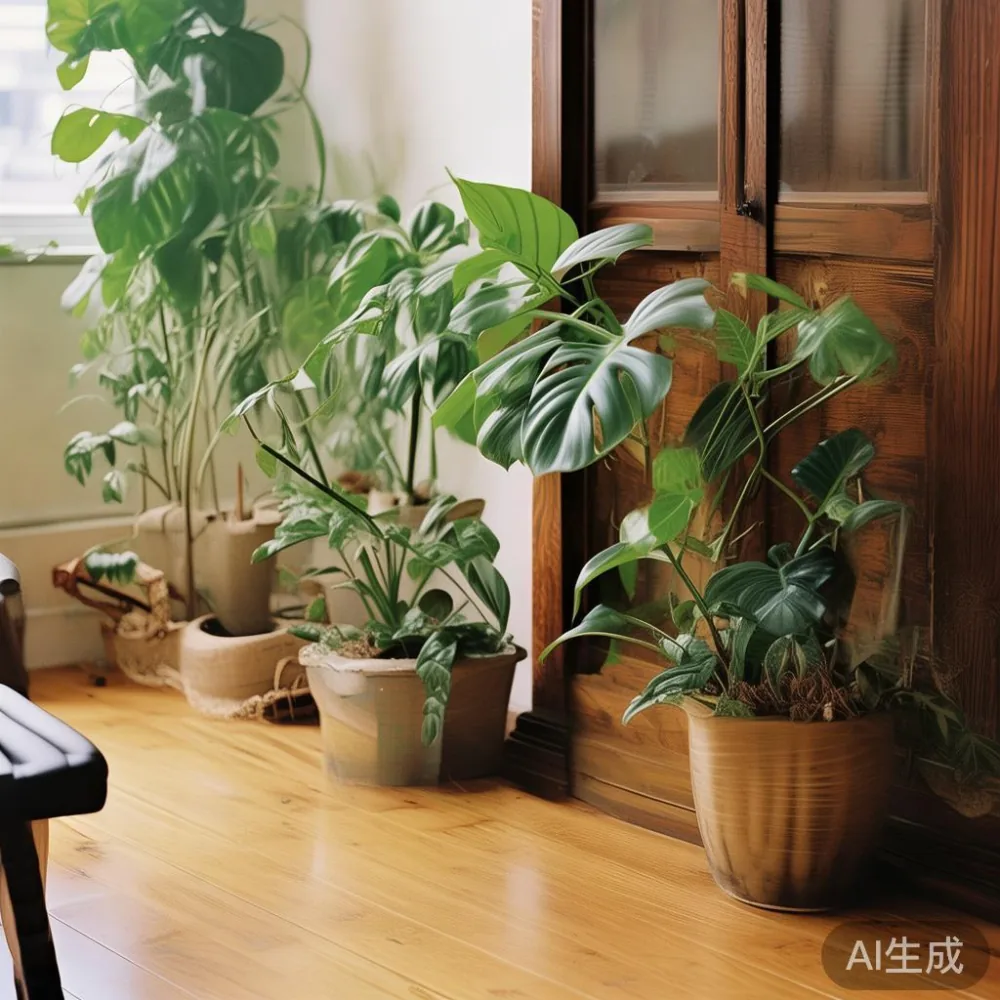
This is not a sales pitch. It is a working reference for anyone who has bought, or is about to buy, a solid wood sofa frame, bed frame, dining table, wardrobe, or nightstand here on the island. I have packed it with concrete numbers, real condo and HDB measurements, SGD pricing, and one specific story about a black rubberwood missing parts issue I helped a Bedok couple resolve last quarter. Along the way I will reference French light luxury proportions, American light luxury construction cues, and post-modern light luxury silhouettes, because climate control and design taste have to coexist in a 92 sqm BTO.
Why does Singapore's humidity attack solid wood furniture in the first place?
Equatorial Singapore sits in Köppen category Af, with mean relative humidity of 78–82% year-round and daily peaks of 90–95% during the September to January monsoon window. Wood is hygroscopic: it absorbs and releases water until it reaches equilibrium moisture content, or EMC, with the surrounding air. For furniture made from kiln-dried stock at 8–10% MC, the local EMC is closer to 17–19%. That gap is the entire problem.
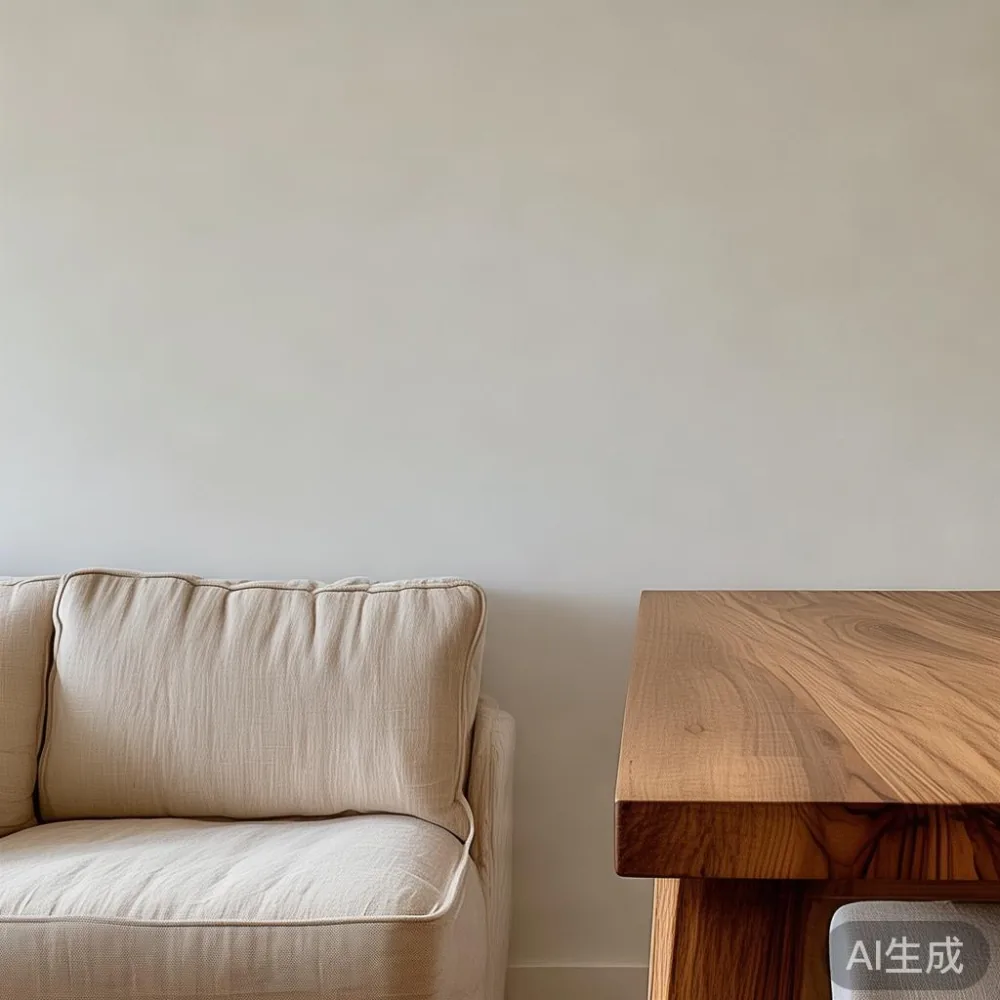
When MC rises, solid wood swells roughly 0.1–0.3% across the grain for every 1% MC change. A 200 cm dining table top can therefore move 2–4 mm in width across a single monsoon season. Across the grain the same movement is 8–10 times larger. So a 45 cm wide solid rubberwood or ash bedside tabletop that arrives perfectly flat in November may cup or bow by 3 mm in February if the room is not conditioned. This is not a defect; it is the material behaving exactly as physics demands.
The species you choose shifts the magnitude. Rubberwood (Hevea brasiliensis), the workhorse of many Southeast Asian factories, moves about 1.8% tangentially per 4% MC change. White oak moves about 2.4%. Teak is gentler at roughly 1.2%, and that is why marine-grade teak has survived on Singaporean verandahs for generations. Knowing the number matters more than the marketing copy.
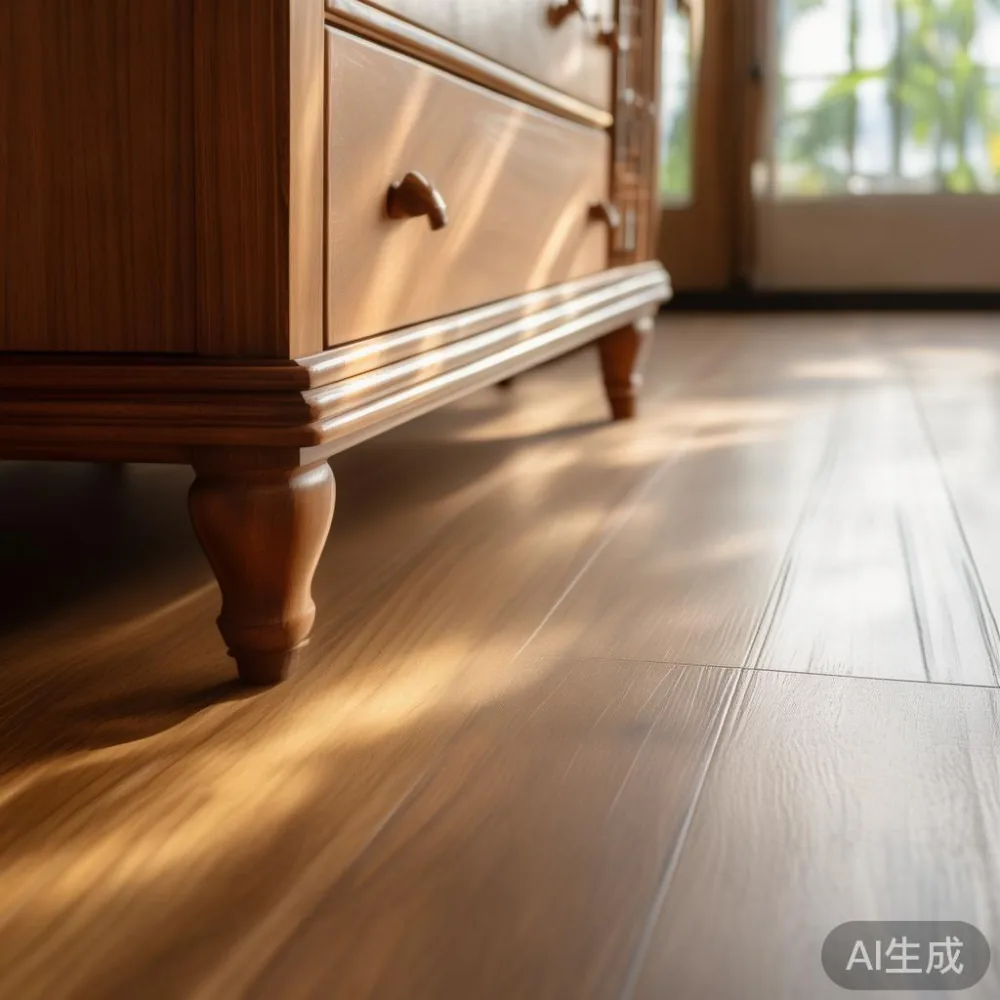
How do I choose a dining chairs for a home office?
Pick a dining chair with a seat height of 44–47 cm, a solid wood seat frame (not a veneered MDF core), and a joinery method you can see — through-tenons, mortise-and-tenon, or dowels at least 8 mm in diameter with cross-grain spacing of 15 cm or less. For a home-office desk at the standard 73–75 cm height, those numbers give your knees a 26–31 cm clearance and your forearms a 90° working angle, which is the single biggest reason people end up with neck pain at month three.
Here is the wider logic. A dining chair is built to be sat on for 20–45 minutes; a home-office chair is sat on for 6–10 hours. Borrowing a dining form for desk duty fails because the seat foam density is usually 28–32 kg/m³, while a proper task chair uses 45–55 kg/m³ foam over a webbed or sprung base. What you can reuse from the dining category is the frame geometry, the 44–47 cm seat height, and the structural language. Pick a solid wood sofa or accent chair from the same series and your reading nook stays visually coherent with the workspace, which is the trick French light luxury interiors have used since the 1950s.
If your desk doubles as your dining table — common in a 65 sqm Punggol one-bedder — buy a table at 75 cm height with a top at least 4 cm thick. A 4 cm solid top moves less than a 2.5 cm top because the stiffness scales with the cube of the thickness. That is why MIDHILL ships most dining and marble table tops at 4–5 cm even when the showroom sample looks slimmer; thicker stock is calmer in our climate, and calmer means fewer service calls.
What are the real measurements inside a Tampines or Bedok HDB flat?
Standard four-room HDB dimensions you should design around:
- Living room: roughly 4.2 m × 3.2 m (13.4 sqm) after a 90 cm corridor allowance.
- Master bedroom: 3.4 m × 3.0 m (10.2 sqm), queen bed frame 160 cm × 200 cm leaves 90 cm of walk space on two sides and 60 cm on the third.
- Common bedroom: 3.0 m × 2.7 m (8.1 sqm), a king bed frame 180 cm × 200 cm fits only with sliding-door nano, leaving 55 cm of clearance on one side.
- Service yard: roughly 1.6 m × 2.4 m, dry enough for a secondary wardrobe if you add a 12 mm closed-cell foam gasket to the door.
Corridor and lift rules matter too. Most HDB passenger lifts in blocks built after 2010 have an internal cabin of about 1.4 m × 1.8 m with a 1.0 m or 1.2 m door opening. A king mattress in a carton measures roughly 190 cm × 200 cm × 35 cm and will not fit through a 1.0 m door on the diagonal. Measure before you order. A queen mattress at 160 cm × 200 cm × 30 cm clears a 1.0 m door with about 5 cm to spare. Corridors are typically 1.2 m wide, which is enough for any flat-pack bed frame from MIDHILL provided the longest single component is under 2.15 m. Our longest dining table crate, by comparison, is 2.45 m for the 8-seat French light luxury oval, and it travels vertically through the lift — another reason we confirm the lift car height (usually 2.3 m) with you before dispatch.
How should you acclimatise a new solid wood dining table or bed frame?
Five concrete steps, taken in order:
- Leave the crate closed inside the air-conditioned room for 24 hours. This equalises the surface temperature of the packaging so you do not get instant condensation when you open it.
- Open the crate, remove all foam and plastic wrap, but leave the furniture flat on its shipping pallet for another 48 hours. Air must circulate under the piece.
- Run the air-conditioner at 24 °C with the dehumidify mode active for the first 7 days. Target 55–60% RH.
- Place felt pads under every leg. A 3 mm closed-cell felt pad blocks roughly 70% of the moisture wicking from a polished concrete or vinyl HDB floor.
- Do not place the table against an exterior wall for the first 14 days. Exterior HDB walls in blocks along Bedok Reservoir can run 2–3 °C cooler than interior walls, and the resulting micro-climate of 72–75% RH is enough to start a bow.
For marble table tops, add a sixth step: wipe the underside of the marble with a silicone-impregnated cloth once. Marble is dimensionally stable but it sweats in our climate, and that sweat can mark the wood sub-frame beneath it if you skip this step.
Will my solid wood wardrobe crack at the back?
Yes, if you ignore the wardrobe's micro-climate, it can — and this is the most common service issue I see in Punggol walk-ups. A 240 cm tall, 200 cm wide, 60 cm deep solid wood wardrobe holds a lot of internal air volume. If you push it against an exterior wall that drops to 26 °C overnight while your bedroom air-conditioner keeps the room at 23 °C, the back panel can sit at 14–15% MC while the front sits at 10%. That 4-point delta across 5 mm of solid back panel produces about 2.5 mm of bow, which is enough to push the wardrobe 4–6 mm off the wall and stress the top joinery.
Two practical fixes. First, leave a 25 mm gap between the wardrobe back and any wall; a filler strip closes the visual line at the top. Second, run a small 25 W dehumidifier set to 60% RH inside the wardrobe for the first 60 days if the unit sits in an unconditioned store or service yard. After that, the EMC of the wood has stabilised and you can switch the unit off.
For nightstands specifically, the danger is the drawer face. A 40 cm wide solid wood drawer face can cup 2 mm in a single wet week, which is enough to scrape the frame. Buy nightstands with drawer faces that are frame-and-panel rather than single slab; the panel floats in a groove and absorbs seasonal movement invisibly. This is a standard construction detail in American light luxury case goods and a quiet reason MIDHILL ships almost every nightstand in that format.
What about a black rubberwood missing parts scenario?
A couple in Bedok ordered a four-piece solid rubberwood bedroom set — bed frame, two nightstands, and a six-door wardrobe — from a regional online seller in late August. When the third carton arrived with two missing cam locks, four missing wooden dowels, and one chipped drawer face, the seller stopped answering messages. The couple drove to my workshop with the parts laid out on a newspaper. They had been told the wood was "solid rubberwood" but the drawer sides were 9 mm plywood with a 0.4 mm rubberwood veneer.
We worked through three things. First, we sourced replacement cam locks from a Jurong fastener shop at SGD 1.20 each and dowels at SGD 0.45 each; the total hardware cost was SGD 14.50. Second, we replaced the chipped drawer face with a solid rubberwood panel I had in stock, charged at SGD 38 for the panel plus SGD 45 for two hours of installation. Third, I wrote a one-page letter to the seller listing the misdescribed plywood parts and quoted the Singapore Consumer Protection (Fair Trading) Act 2003 sections 13 and 16, which cover false representation and unfair practice. The refund landed in seven working days.
The takeaways are durable here, not just for that couple. Solid rubberwood means the entire component — drawer sides, back panel, shelves — must be solid, not veneered. The minimum density of properly kiln-dried rubberwood is 560 kg/m³; anything claiming "solid" and weighing under 12 kg for a six-drawer dresser is suspicious. Real solid wood bedroom furniture is heavy. A queen-size rubberwood bed frame from MIDHILL in our post-modern light luxury line weighs 78 kg in carton; the equivalent MDF-and-veneer competitor weighs 41 kg. That delta is the wood, not the air.
How much should I budget for a complete solid wood set in SGD?
Realistic current figures, including GST at 9% and delivery to a Singapore ground-floor address:
- Solid wood dining table, six-seat, rubberwood: SGD 1,450–1,950.
- Six matching solid wood dining chairs: SGD 720–1,140 as a set. >Three-door solid wood wardrobe with internal LED: SGD 2,400–3,100.
- Queen solid wood bed frame with slats: SGD 980–1,450.
- Pair of solid wood nightstands: SGD 480–720.
- Solid wood sofa, three-seater, with removable seat cushions: SGD 2,200–3,300.
- Round marble table, 600 mm, with solid wood pedestal: SGD 1,150–1,650.
A full five-piece primary bedroom set lands between SGD 4,200 and SGD 6,100, and a full living-and-dining package between SGD 6,000 and SGD 9,500. MIDHILL bundles free shipping above US$350, which on a typical SGD/USD conversion works out to roughly SGD 480 — so any order above two dining chairs or one nightstand pair ships free from the Foshan warehouse to your door in 18–24 working days, including GST-absorbed landed pricing.
What does a ten-year structural warranty actually cover in our climate?
Read the document, not the brochure. A proper structural warranty covers joint failure, frame cracking, slat snapping, and drawer runner detachment under normal domestic use. It does not cover movement-related issues — cup, bow, twist, and minor surface checking — because those are climate responses in solid timber, not manufacturing defects. The honest manufacturers will tell you this in writing.
MIDHILL's ten-year structural warranty covers frame and joinery failure on every solid wood sofa, bed frame, dining table, wardrobe, and nightstand we ship. Refinishing — sanding, re-staining, re-sealing — is offered at cost for life, which matters here because the UV index in Singapore averages 12 on a clear afternoon, and a UV-cured lacquer that looked pristine at delivery will oxidise and amber after 18–24 months. A planned refinish at year three keeps the colour honest and adds another decade of service.
Keep your hygrometer's weekly log for the first 90 days. Photograph any movement issue within seven days of delivery and email the factory direct; a 14-day return window covers transit damage and latent defects, but movement in service requires acclimatisation evidence. Two photos, one date stamp, and a 4-line description is usually enough to trigger a parts dispatch or a site visit.
A short closing checklist for your next delivery
Confirm the lift car internal dimensions before ordering any piece longer than the ding side of a queen bed frame. Acclimatise every solid wood piece for 7 days with the air-conditioner running and a 25 mm gap to the wall. Run a dehumidifier in wardrobes and store rooms for the first 60 days. Photograph the unboxing on day one. Save the warranty PDF next to your delivery invoice. And if a part arrives missing — whether it is a black rubberwood missing parts issue like the Bedok couple, or a single dowel in a five-thousand-dollar bed frame — document it within 48 hours, because the difference between a smooth warranty and a six-month argument usually lives in those first photos.