How to Read a Furniture Warranty Without Getting Caught Out — A Singapore Buyer's Guide to Solid Wood Coverage
Last month I visited a friend in a 4-room HDB flat in Tampines who had just signed off on a brand-new solid wood dining table from an online seller. Two weeks later, a hairline crack appeared along one of the apron rails. She pulled out the warranty card, started reading, and within five minutes her face had dropped. The crack was listed as a "natural characteristic of timber" — explicitly excluded from coverage. She'd paid S$1,840 for the set, and the courier had scraped a 2 mm gouge into one leg that the seller also refused to fix. Her experience is the reason I keep returning to the same advice for anyone furnishing a Singapore home: read every clause, count the years, and measure the furniture before the truck arrives.
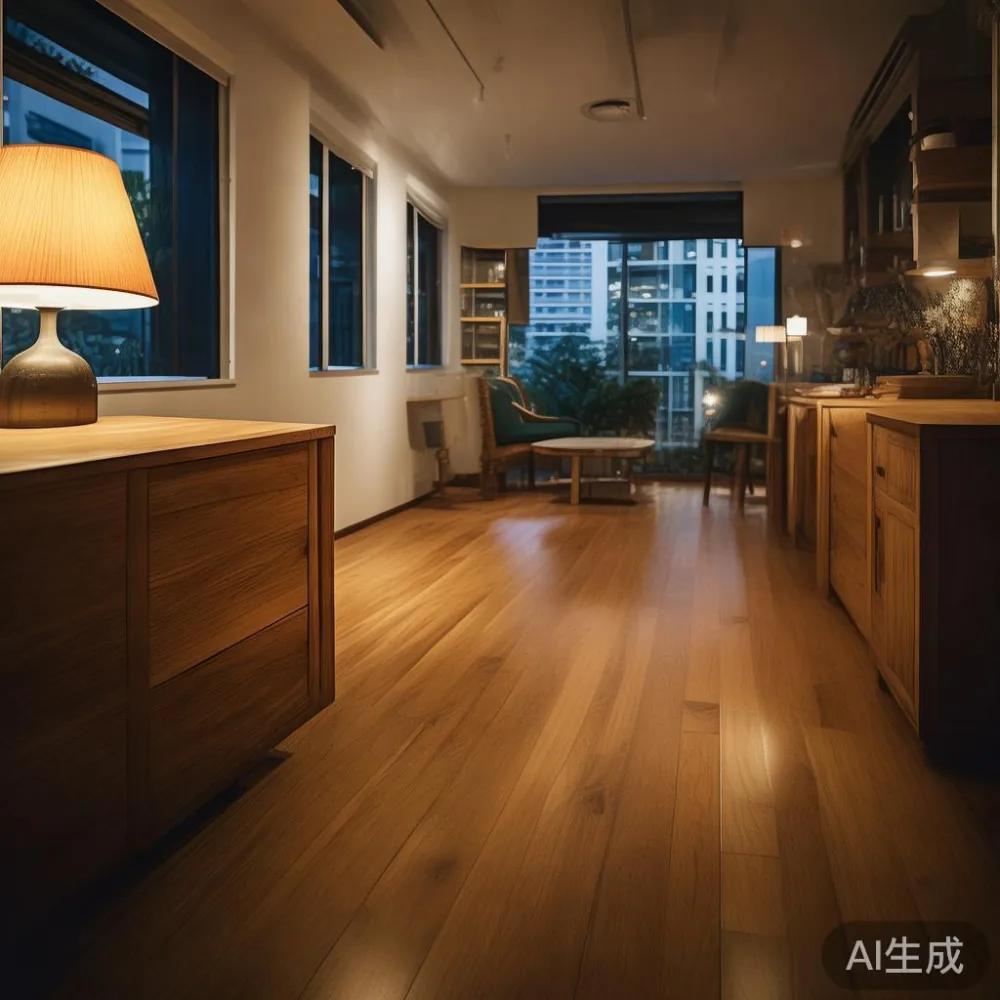
This guide walks through the warranty terms that matter on a solid wood sofa, bed frame, dining table, wardrobe, or nightstand — pieces built to live with you across HDB moves and condo renovations. I'll use Singapore-specific context where it affects your decision: lift sizes around Bedok, the 1.1 m corridor widths in older Punggol BTOs, the 9% GST on the final invoice, and the small-print exclusions that decide whether your claim succeeds or stalls on WhatsApp.
What does "structural warranty" actually cover on a solid wood piece?
A structural warranty protects the load-bearing skeleton of a piece — the joinery, the frame rails, the leg assemblies, and the way those elements are glued, dowelled, or mortised together. On a solid wood sofa it means the hardwood frame under the cushions; on a bed frame it covers the slats, centre rail, and headboard posts; on a wardrobe it covers the carcass, the hinges' mounting points, and the drawer runners' attachment to the wood.
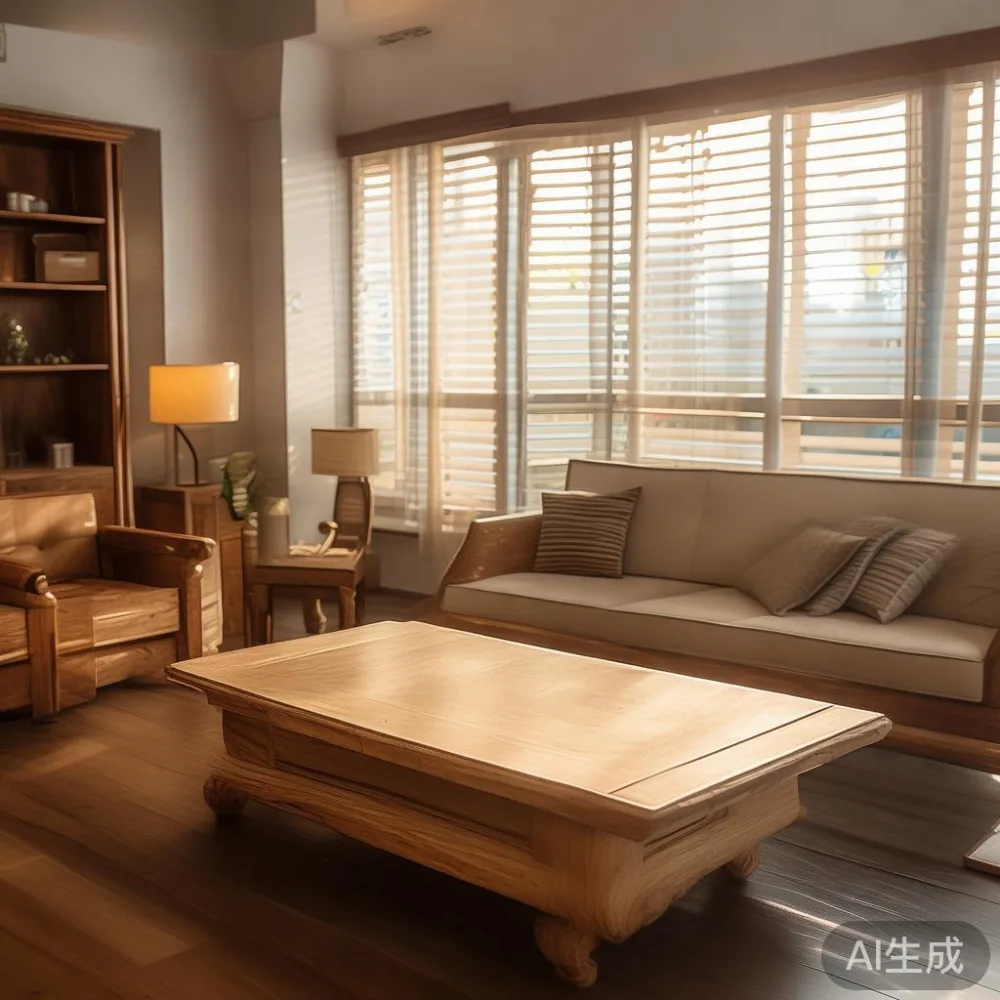
What it does not cover is everything else: the foam density of a seat cushion, the fabric or leather cover, the finish (lacquer, oil, wax), the drawer slides as a moving part, and the cosmetic appearance. So when you see a brand offering a 10-year structural warranty, the math actually looks like this — decades one through ten protect the part that holds the piece up; everything you'd notice with your eyes or your fingertips is governed by a much shorter window, usually 6 to 24 months.
MIDHILL publishes exactly this split on every product page: 10 years on the frame of every solid wood sofa, bed frame, dining table, and wardrobe, then a separate 1-year finish warranty covering lacquer peeling, joint separation visible on the surface, and hardware. That separation matters because it tells you, as a buyer, which defect you can claim for in year three versus year one.
Is a longer warranty automatically a better warranty?
Not necessarily. Three things turn a number on a page into genuine protection: who pays the freight, what counts as a defect, and how long you have to file. A five-year warranty that sends you a bill for two-way delivery from Singapore to the factory in Foshan is functionally worse than a three-year warranty where the brand collects, repairs, and returns the piece at no charge.
Last quarter a colleague in Bedok bought a solid wood bed frame from a local retailer running a clearance. The warranty page said "5-year coverage." Buried on page three of the PDF, the exclusions listed "movement in timber due to humidity changes," which in Singapore — where indoor RH sits between 65% and 80% for eight months a year — covers almost every visible defect a bed frame will ever develop. The product failed month four, and the claim was refused.
Look instead for these concrete markers of a serious warranty:
- A named duration in years on each component (frame, finish, hardware, moving parts).
- Freight terms stated in writing — both directions, including packaging.
- A defined claim window, usually 30 days from defect discovery, with email and phone channels.
- An exclusions list where each item is specific (e.g. "pet damage," "water marks from plant pots"), not vague ("normal wear").
- A transfer clause — useful if you intend to pass a wardrobe or dining table down.
Will my warranty still hold if I move from an HDB in Tampines to a condo in Punggol?
Yes, in most cases — but only if the brand services the whole of Singapore, not just the warehouse postcode. A warranty is a contract between you and the seller. Your address on the claim form doesn't have to match your address on the invoice. What does need to match is the piece itself: serial number, batch stamp, or factory order reference. Keep the original packing list for at least 60 months — that's five years — because loss of paperwork is the single most common reason claims get declined.
Two practical Singapore notes. First, when you move, photograph the piece before the movers touch it and again after placement. Lift access in most HDB blocks is 2.1 m tall by 1.5 m deep; most solid wood wardrobes are designed to clear that envelope, but anything over 2.3 m in height needs to be partially disassembled. If a wardrobe is forced through a too-tight corridor and the cornice cracks, the warranty may classify that as transit damage rather than manufacturing defect. Second, after the move, give a solid wood piece 14 days to acclimatise to the new room before raising any movement concern. Timber responds to indoor humidity over weeks, not hours.
MIDHILL honours warranty claims across all of Singapore, including HDB estates in Punggol and private condos in the CCR, and the team coordinates scheduling through WhatsApp so you aren't chasing case numbers by email. That kind of accessibility is part of the warranty in practice, even when the printed clause doesn't mention it.
What about humidity, termites, and Singapore-specific damage?
Singapore sits between 1° N of the equator. Year-round temperature averages 27°C with humidity rarely dipping below 60% and often hitting 90% during the December monsoon push. No indoor warranty covers wood-boring insects if your home already shows signs of infestation when the piece is delivered — that's a pre-existing condition. What a brand should cover is the moisture content of the timber at the moment it leaves the factory, expressed as a target range, typically 8% to 12%. Pieces dried outside that band will cup, bow, or check within the first season.
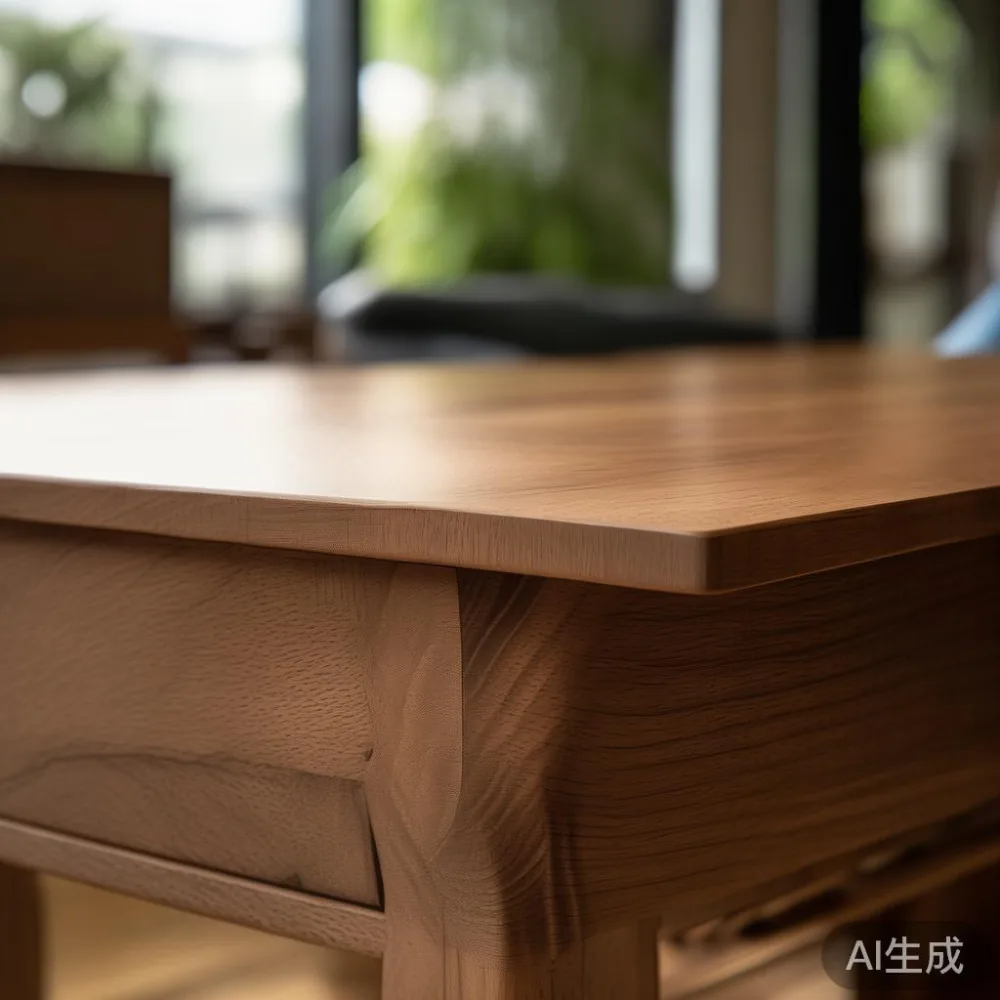
Run your hand over the underside of any solid wood dining table before accepting delivery. It should feel dry, smooth, and room-temperature — not tacky. If it feels cool or damp, log it on the delivery note before signing and photograph the underside. That note becomes evidence if a crack appears 60 days later. Acclimatisation guidance of 30 to 45 days is reasonable for solid wood to settle into a Singapore home; gaps under 14 days between delivery and a cracking complaint usually support the buyer's case.
For a Modern light luxury sideboard, the test surfaces are usually marble, veneer, or lacquered MDF. Marble tolerates Singapore humidity well but demands a coaster-only policy; lacquered surfaces chip with humidity swings. Ask whether the warranty excludes cupping on the internal carcass as well as warping on the doors — they are usually priced as separate defect classes.
Which finishes, fabrics, and moving parts usually fall outside the structural warranty?
The short answer: anything you can touch with your fingers. On a solid wood sofa, the foam density, the webbing suspension, the leather grain, and the stitching all sit outside the frame coverage. On a bed frame, the slats may be covered, but the centre rail's height-adjustment pins may not be. On a wardrobe, the carcass is covered but the soft-close damper cartridges usually carry a 2-year separate warranty from the hardware maker, not the furniture brand.
This is why the most useful question at the showroom counter is: what is not covered, exactly, for the first three years? Most brands will print the exclusions; the better ones — including MIDHILL — will list them by component with their own duration. If a salesperson can't answer that question on the spot, walk away and re-read the PDF later. The exclusions list on a serious warranty runs one to two pages; a vague list running five lines is a red flag.
How do I compare two warranties side by side without missing anything?
Use a simple four-row table on a single sheet of A4. For each brand you're considering, list the structural years, the finish years, the hardware/moving-part years, and the freight terms. Add a fifth row for the exclusions block: is "humidity-related movement" included or excluded? Is "cosmetic variation" defined? Is "commercial use" excluded even at a home-office desk?
In real dollars, freight terms change the calculation sharply. A roundtrip delivery fee in Singapore for a single piece sits between S$80 and S$220 depending on whether it needs a one-man or two-man crew. Over a decade of potential claims, that single line item can swing the lifetime cost of a piece by S$300 to S$600. Add the 9% GST on any replacement part and the math moves further against brands that exclude return shipping.
If you're weighing a European light luxury sofa vs Modern sofa for a condo living room around 22 sqm, both styles may quote a 10-year frame warranty. The differentiator is usually the cushion fill — high-resilience foam in European builds versus down-wrapped foam in some Modern builds. Down-wrapped cushions need plumping every 4 to 6 weeks and are excluded from most warranties as a "soft component." If low maintenance matters, that single clause decides your purchase.
Does ordering online void the warranty for a heavy piece like a dining table or wardrobe?
No, provided the brand is the direct seller. A warranty is a contract against the legal entity that manufactured or imported the piece, not against the channel you bought through. But online orders have three specific failure points Singapore buyers should know about.
- Refused delivery damage. If the piece arrives and you reject it on cosmetic grounds, the freight back to the warehouse is often your cost. Photograph the carton and the piece before opening, in case the dispute becomes a refund claim.
- Access checks. For a wardrobe over 2.2 m tall or a dining table over 2.4 m when boxed, ask the brand to confirm lift and corridor access in writing. Tampines GreenRidges and older Bedok blocks have tighter turns than newer Punggol BTOs.
- Lifetime refinishing. Some brands, including MIDHILL, offer lifetime refinishing on solid wood for a small service fee — typically S$120 to S$260 per piece. That is not a warranty replacement; it is a refurbishment service that lets you reset the finish clock to zero.
What happens to my warranty after refinishing, re-staining, or third-party repair?
Almost universally, a warranty is voided the moment a third party touches the structural element. Re-staining the top of a dining table by an outside carpenter, swapping drawer runners on a wardrobe, or re-upholstering a solid wood sofa seat — each of these cancels the original terms. Some brands run authorised refinishing programs that transfer the remaining years of the warranty onto the refinished piece; that paperwork should be issued at the time of service, not requested later.
If you hold onto the original warranty card, the order confirmation, and the refinishing receipt together in a single folder — physical and cloud — you'll have what you need when a claim is filed. I've watched too many claims stall because the original PDF was buried under six years of order confirmations from the same seller.
Quick checklist before you click "checkout" on any solid wood furniture order in Singapore
Pull this list out every time, regardless of price:
- Structural duration in years, per component.
- Exclusions block, ideally one page or longer.
- Freight terms for claims, both directions, in SGD.
- Claim window in days from defect discovery.
- Access confirmation in writing for any piece over 2.2 m.
- Acclimatisation window stated, between 14 and 45 days.
- Refinishing service available, fee stated.
- Contact channel that actually answers during Singapore office hours.
A warranty is not a marketing line. It is a contract that pays out, or doesn't, on the worst day of your ownership. If you've just spent S$2,400 on a solid wood dining table for a 5-room HDB in Punggol, or S$3,800 on a wardrobe for a condo in the east, or you're shopping for the best French sofa for 2026 and want to compare it line by line, the time to read the warranty is before the carton lands, not after.
If you are browsing MIDHILL furniture for a bed frame or nightstand and weighing how to how to choose American wardrobe details or wondering how to style American wardrobe in apartment rooms without losing warranty cover, the full warranty PDF — including exclusions and freight terms — sits on the product page alongside the technical drawings. Treating that PDF as part of the product, not a footnote, is the single habit that separates a calm claim from a four-week WhatsApp argument.
For shoppers hunting for sale American furniture promos around festive periods like 9.9 or 11.11, the cheapest sticker price is rarely the cheapest ownership cost. A two-year shorter warranty plus a S$120 freight clause can quietly add S$400 to S$700 to a piece over a decade. Read the PDF. Then decide.