Factors Affecting Solid Wood Furniture Pricing
Solid wood furniture is often compared like a shopping list: wood species, finish, hardware, dimensions, and brand. Yet the final price rarely follows one label alone. A dining table can use the same timber as a wardrobe and still differ by several hundred dollars because of board yield, joinery, edge detailing, hardware, and packing. In Singapore, the practical constraints matter too: a 220 cm lift, a 120 cm corridor turn, stairs without a landing, and a 12% GST can affect both what you buy and how it reaches you.

This guide explains the real cost drivers behind solid wood furniture, from timber selection to factory finishing and delivery. It also shows how to compare products without being distracted by terms such as French light luxury, American light luxury, or post-modern light luxury. For a wider reference point, you can visit www.midhill.co, where product specifications should be read alongside measured dimensions and warranty terms.
What Makes Solid Wood More Expensive Than Engineered Wood?
The distinction starts with how the furniture is made. Solid wood uses timber throughout the visible and structural components. Engineered wood uses veneers over particleboard, MDF, or other cores. That does not make either category automatically poor, but it changes the cost structure and the way each piece behaves over time.
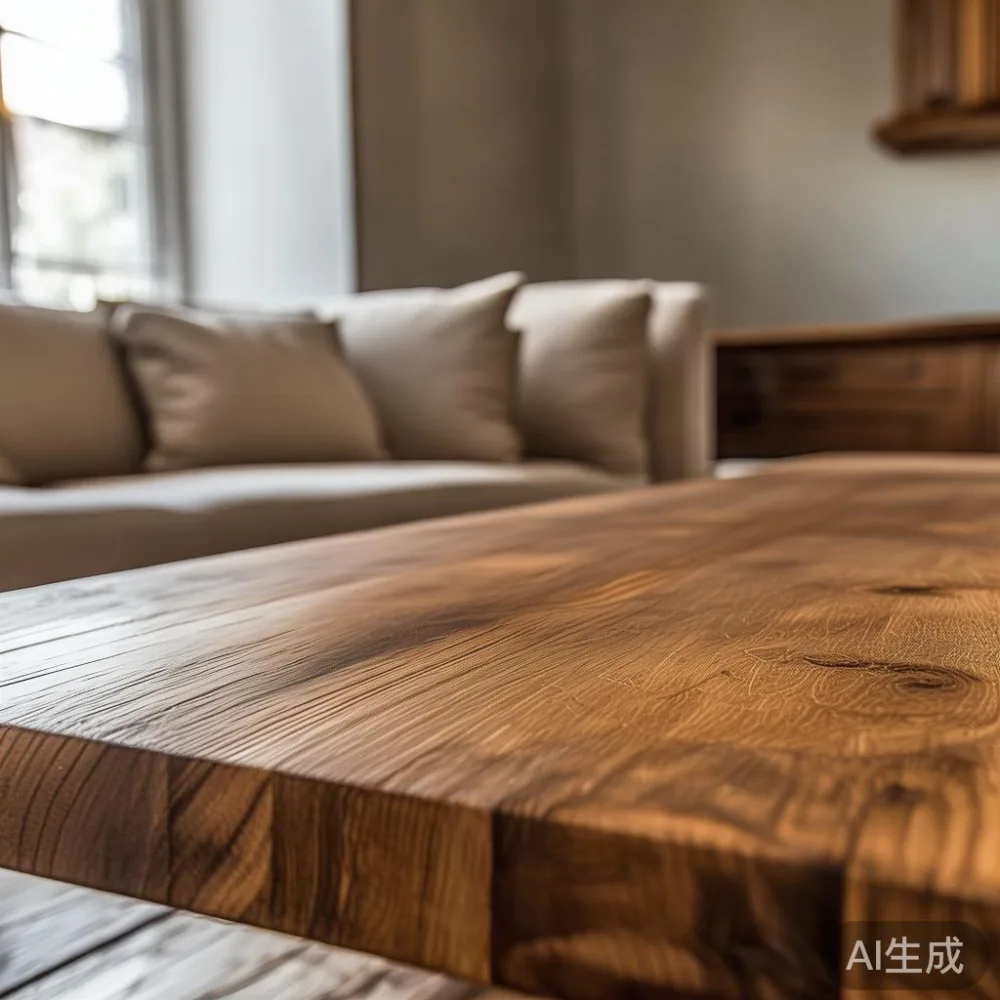
Timber price is only part of the equation. A manufacturer pays for logs or rough boards, grading, drying, storage, machining, defects, and waste. Hardwoods such as white oak, ash, walnut, and teak are commonly used because their density and grain suit furniture production. Species alone cannot explain the final price: a simple bedside table made from responsibly graded boards may cost less than a complex solid wood sofa frame built from narrow components that require more cutting and joining.
The manufacturing method also matters. Mortise-and-tenon joints, dowels, hardwood cleats, and reinforced corners take more machine time than basic screw-and-cam construction. They are not decorative details alone; they affect how a bed frame, dining table, or wardrobe handles repeated loading. Ask what joint is used at the load-bearing points, whether the visible panels are solid wood, and what structural warranty applies.
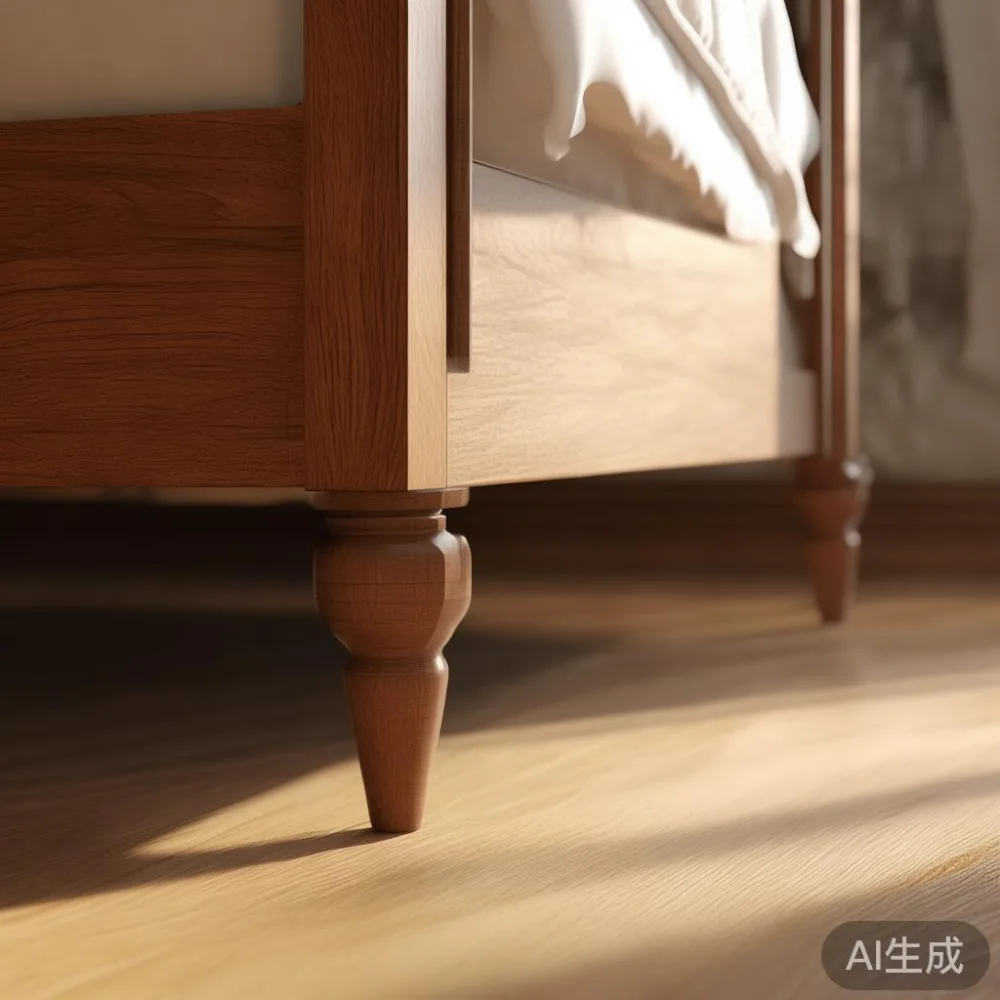
For Singapore homes, weight is a meaningful number. A solid wood dining table might weigh 65–110 kg, while a bed frame might weigh 45–90 kg and a wardrobe 100–220 kg. Delivery crews need to know the packed weight, number of cartons, and whether stairs are involved. A lower-priced piece can become costly if it cannot pass through your HDB lift or corridor.
How Do Wood Species, Grade, and Thickness Affect Price?
Compare three things together: species, grade, and actual material thickness. A 20 mm solid wood tabletop is different from a 20 mm structure finished with a 0.6 mm veneer, and neither should be described simply as “20 mm wood.” A smaller nightstand might use 18–25 mm panels, while a large dining table might use 30–40 mm tops. Thickness increases timber use, but the board also needs to be stable and properly dried.
Grade tells you how much visual sorting and defect control occurred. Clear boards with consistent colour and grain require more careful selection than boards with knots, mineral streaks, filled checks, or colour variation. Walnut can carry a high visual premium because of its figure and colour, but a lower grade does not automatically indicate weak furniture. The panel layout, drying quality, and joint design remain important.
Solid wood expands and contracts with humidity. In Singapore’s humid environment, quality suppliers account for seasonal movement with appropriate panel construction and finishing schedules. Good questions include: what moisture content is targeted, is the surface sealed on all faces, and are solid wood panels joined to control movement? These details influence durability more reliably than a vague claim of “premium timber.”
Wood is also graded for appearance rather than as a universal structural scale. A dining table with cathedral grain may cost more because selected boards were reserved for the top. Matching grain across cabinet doors can add time, while random matching may reduce cost. For an apartment wardrobe, matching book-matched doors may matter more than an elaborate internal mechanism; for a bed frame, the rail, joints, and slat support may matter more than matching every surface.
Why Do Design Details Change the Price So Much?
Curves, profiles, chamfers, carved details, and concealed hardware affect machining time. A straight-edged solid wood dining table with square legs can be highly efficient to produce. A shaped pedestal base, tapered legs, or rounded corners require templates, sanding, and more hand or CNC finishing. French light luxury often introduces gentle curves, softened profiles, pale upholstery, and refined timber finishes. The extra expense sits in the shape-making and surface work, not merely the styling.
American light luxury tends toward clean silhouettes, generous proportions, and restrained ornament. A wide solid wood sofa frame may need larger timber sections and careful support around the seating platform. Post-modern light luxury plays with asymmetry, mixed materials, softened geometry, and contrast. Marble table designs can combine a stone top with a solid wood base, making support load, stone thickness, and edge treatment important.
Hardware has a visible cost. European hinges, soft-close mechanisms, solid brass pulls, and well-finished drawer slides cost more than basic hinges and surface-mounted handles. Hardware should still be specified by its function and cycle rating rather than by a logo. Ask how many drawer slides are included, whether wardrobe doors adjust, and what replacement parts are available.
Finishing is another major driver. A clear matte lacquer, tinted oil, wire-brushed surface, smoked finish, and hand-applied texture require different preparation and labour. Some effects are achieved before assembly; others are matched across separate legs, doors, or rails. A dining table with a continuous tone can take longer than one with intentionally varied boards. The finish should be described precisely because “natural wood finish” can mean very different levels of work.
Is a French Bed Worth It?
A French bed can be worth it when its appeal suits the room and the construction details are sound, but the country-style label alone does not justify a price. Compare the solid wood frame, supported slat spacing, centre support, headboard construction, and finish durability. A frame using hardwood cleats and a properly supported platform may offer better long-term utility than a decorative frame with weak fixings.
For compact Singapore bedrooms, check the assembled dimensions against your lift and corridor. A bed frame packed at 205 × 48 × 24 cm may fit a 220 × 140 cm lift but still need diagonal positioning. A 190 × 210 cm mattress is common for couples, while a larger queen or king may restrict corridor turns. You can use this guide when learning how to style American bed in apartment layouts, but scale should settle the selection before visual styling.
Price also changes with the headboard and upholstery. Upholstered panels add fabric, padding, sewing, and labour. An open slatted headboard in solid wood may be easier to maintain. If you are comparing French provincial furniture with an American or Nordic scheme, consider whether the piece will need to fit with existing doors, bedside tables, and lighting rather than whether its style is temporarily popular.
How Much Should You Budget for Common Solid Wood Pieces?
Useful Singapore ranges are more informative than a single “from” price. Before GST, a straightforward solid wood nightstand may fall around SGD 280–650, depending on timber, drawer hardware, and detailing. A four- or six-drawer unit with soft-close slides and matched timber fronts may range from SGD 750–1,800.
A solid wood bed frame commonly sits around SGD 900–3,200 before GST. A platform design may be at the lower end, while a shaped headboard, thicker rails, upholstered panel, or more elaborate finish moves upward. A wardrobe with two doors, adjustable shelves, and internal drawers may range from SGD 1,600–4,500. Larger units with tambour or reeded doors can cost more.
For a dining table, four-seater models often begin around SGD 1,200, with six-seater and more sculptural solid wood dining table designs extending into the SGD 2,000–5,000 range. A marble table can fall around SGD 1,800–5,500 depending on slab dimensions, stone type, base material, and edge detail. Prices shift with exact dimensions and specifications.
For a solid wood sofa, the frame may be sold as part of a upholstered package rather than as a bare structural item. Complete three-seat or four-seat configurations commonly range from SGD 2,500–7,500 before GST. Fabric grade, cushion construction, frame design, and leg detailing all affect the amount.
These are planning bands, not universal price rules. GST adds 12% in Singapore. Delivery may also be chargeable depending on the order, access conditions, and destination, although MIDHILL offers free shipping over US$350 for qualifying orders. Confirm the SGD checkout amount, GST treatment, delivery quote, and return terms in writing.
How Much Does Delivery Add in Singapore?
Delivery is not a minor postcode calculator in a high-density housing market. A HDB lift with an internal width of about 90 cm and a door depth of 120 cm may reject a large carton even when the furniture fits through the apartment door. A Punggol or Tampines corridor may narrow further around a turn, while a Bedok unit with a longer approach creates different carrying distances.
Measure the lift door, internal cabin dimensions, landing turns, stair width, and the narrowest part of the route. Provide the packed dimensions rather than the assembled dimensions. Also report the floor level and whether there is a freight lift. Some suppliers include standard ground-floor delivery in the product price, while upper-floor delivery, stairs, or remote-area surcharges require separate confirmation.
Allow roughly 7–21 delivery days for a ready-to-ship Singapore order, with the exact window shown at checkout. Custom pieces can take 4–10 weeks or longer. The delivery fee may range from SGD 30 to SGD 180 within Singapore, depending on access and the carrier’s zone rules. This should be confirmed rather than inferred from the product page.
My colleague tested a 42 kg solid wood nightstand during a supplier visit last month. Its carton measured 58 × 42 × 36 cm and passed through a 90 × 120 cm lift, but the assembled frame was deliberately built to travel in sections. That simple design decision reduced handling risk and avoided a return. It is a useful reminder: good product engineering can sometimes cost less at the doorstep than building one large piece and forcing it through tight access.
What Makes Light-Luxury Furniture Worth a Premium?
A light-luxury premium should create visible value through proportion, material honesty, surface quality, and long-term service. A solid wood sofa can feel refined because the frame is substantial, the arms are balanced, and the cushions retain their shape. A dining table can earn its price through stable construction and a finish that feels considered under daily use. A wardrobe should glide, align, and resist moisture-related movement.
This is where European light luxury for apartment living needs to be interpreted carefully. Elegant does not mean oversized. For compact rooms, a 175–190 cm sofa may preserve a 75–90 cm circulation path. A 140–160 cm round dining table can seat four people while easing conversations with a narrow wall or lift. A slim wardrobe placed beside a recessed wall area may use space better than a deep unit projecting into the room.
If you are short on space, research Nordic for small living room layouts, but do not confuse light woods with small dimensions. Measure first, then choose a light-luxury aesthetic that suits the footprint. Similarly, mid-century modern with storage is effective when drawers are genuinely usable and carcasses remain rigid. Storage advertised in cubic metres is not useful if drawer fronts collide or shelves sag.
For a style shortlist, the best French provincial sofa for 2026 may appeal if you want a soft, residential character. Choose one with a clear timber identity and supportive frame rather than relying on the label. That phrase is one editorial description, not a quality ranking.
Which Questions Reveal a Fair Price?
Before paying, request the full specification. Is every visible panel solid wood, or are veneer, plywood, MDF, and solid wood used in different parts? What are the panel thicknesses? Which timber species are used? Are drawer boxes made from solid wood, plywood, or another material? What joinery supports the rails, shelves, and seat platform?
Ask for the packed dimensions, packed weight, number of cartons, estimated delivery days, and access-fee policy. Confirm whether assembly is included and whether assembly tools are supplied. For care, ask what finish can be restored, whether refinishing is available for the life of the piece, and how service claims are processed.
Warranties matter because furniture failure can involve several suppliers. A 10-year structural warranty signals confidence in the frame or carcass, but exclusions still matter. Ask whether it covers joint loosening, rail movement, excessive warping, and manufacturing defects, and whether the customer pays return freight. A lifetime refinishing policy may apply only to eligible solid wood items and may be tied to the original order or proof of purchase.
Compare the total landed price: item price plus GST, delivery, access charges, assembly, and any optional protection. Look at the product’s expected use rather than a trend label. For a dining table, stability and extendability may justify the spend. For a nightstand, drawer action and useful dimensions may. For a bed frame, support and access matter most. For a wardrobe, usable internal space and door clearance lead the decision.
Finally, review the return policy. A 14-day return window can reduce risk when dimensions and finish are difficult to judge online, but the piece should be unused, protected, and returned in its original packaging. Confirm who arranges collection and whether oversized furniture, made-to-order items, or custom finishes are excluded. These questions reveal whether the quoted price reflects a clear offer rather than a temporary promotion.
How Do You Judge Value in a Solid Wood Furniture Quote?
Value comes from the combination of material, construction, dimensions, finish, service, and delivery confidence. A quote that names all 6 areas allows a sensible comparison. A quote showing only “solid wood” and a sale percentage does not. The buyer who understands this will usually choose the piece that fits the home, works with daily routines, and has support after delivery.
That is also how MIDHILL frames its position: established in 2008, exporting to more than 15 countries, offering a 10-year structural warranty and lifetime refinishing, with free shipping over US$350 and 14-day returns on eligible orders. Those policies do not replace inspection. They give a buyer a clearer framework for evaluating the price and what sits behind it.
The right solid wood furniture is not merely the piece with the longest specification list. It is the one whose timber, proportions, joints, finish, and access plan match the room and the owner’s needs. Once those variables are visible, the mystery inside the price becomes much easier to understand.