Buying a Comfortable Sofa: What to Look For in Singapore
A sofa can look ideal in a showroom yet fail in a Singapore home because its lift dimensions, turning radius, or structural details were never checked. “Display-only” does not mean “ready to use.” Before paying, measure the route, inspect the frame, confirm the return terms, and decide whether the sofa will be sat on, used occasionally, or treated as a visual feature.

That last distinction sounds unusual, but it changes the buying decision. A display sofa may use a fixed base, have a lower seat height, or omit a detachable cushion to create more showroom space. If you want a sofa for daily use, those features matter. If your intention is purely visual, you can accept some compromises provided the piece is stable, safe, and accurately described.
Singapore’s HDB flats and condos make access especially important. A sofa that fits the living room can still be trapped at the lift lobby, blocked by a corridor turn, or impossible to rotate into the doorway. Local measurements should include lift car doors, internal depth, corridor width, and the route from the service entrance to the living room.

Why would you buy a sofa you cannot sit on?
<There are several sensible reasons. A show sofa may be purchased as a decorative anchor for a French light-luxury living room, a photography set, a hotel lobby mock-up, or a temporary display. It may also be bought to preserve a clear sightline in a compact Tampines flat while a movable chair handles most seating.
Before choosing one, write down its purpose in measurable terms. For example: “visual seating for occasional guests,” “no daily use,” or “at least 4 seats for family sitting.” That prevents a display model from being confused with a practical family sofa.
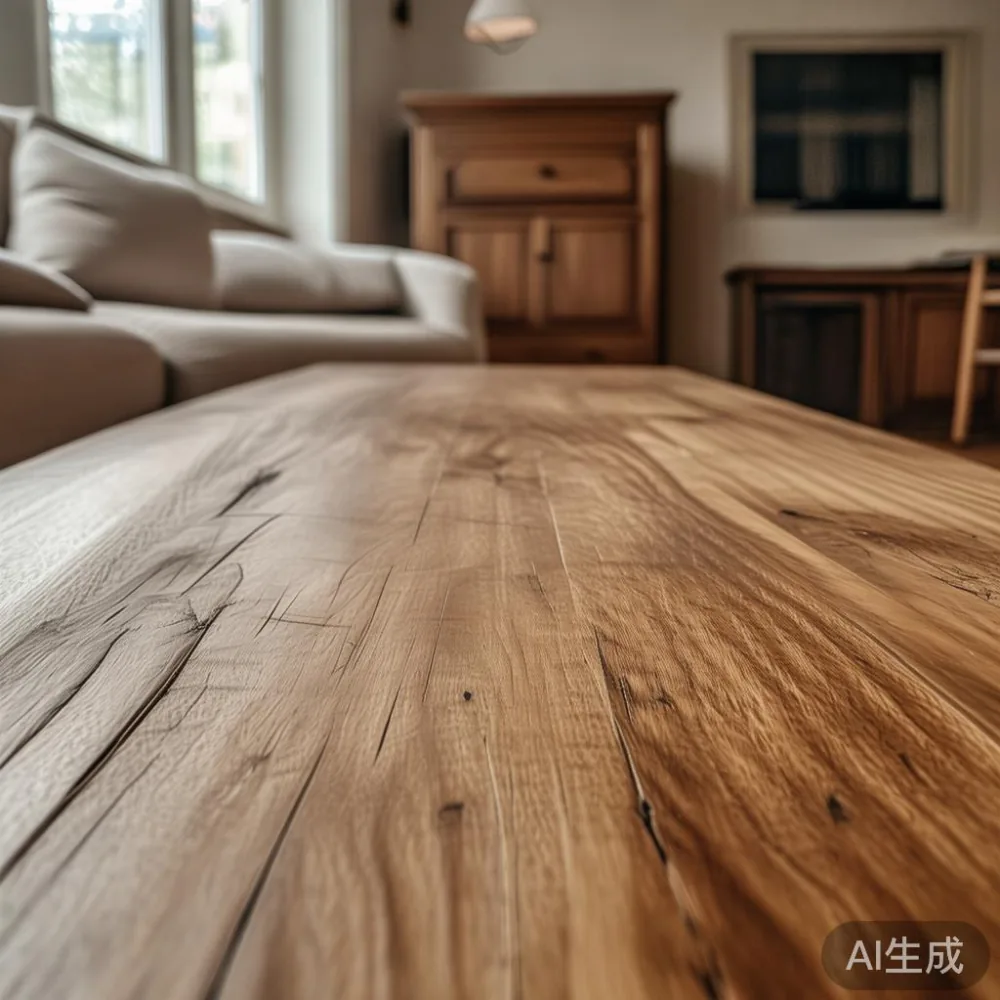
Ask the seller how the sofa is supported. Some display models use a bolted platform rather than ordinary legs, while others have concealed wheels or castors. A fixed base can protect the showroom position but makes cleaning difficult. A narrower arm may save space but reduce comfort. A higher floor clearance may allow robot-cleaning access, although the sofa may feel less relaxed.
For visual use, appearance may outweigh deep cushioning, but appearance should still include quality. Check whether the upholstery is pulled evenly, the seams are straight, and the frame has no visible cracks. A decorative piece should not look poorly made simply because it is not intended for daily sitting.
Measure the Singapore route before ordering
Start with the lift, not the sofa showroom. Measure the lift door opening and the inside dimensions at several points, including the space needed to tilt the sofa. A 220 cm-long sofa is easy to imagine at home but may not turn inside a 140 cm-wide lift car.
For an HDB block, record the common corridor width, usually around 120–180 cm, and ask the delivery team whether any corners require a vertical tilt. For a condo, measure the private corridor, security gate, parking bay, and entrance doors. A 90 cm doorway can rule out a bulky sofa even when the lift is large.
Use a simple test: draw the sofa footprint to scale, then compare it with the narrowest route. Leave at least 10 cm of clearance for handles, packaging, and minor measurement variation. A packed sofa can be wider than the showroom sample because of protective foam and carton boards.
Also check the home’s turning space. A sofa may fit the lift yet fail to clear a balcony door or a 90-degree corridor bend. Request written delivery dimensions, not only a photograph of the sofa. If the seller cannot provide them, treat the purchase as uncertain.
What should you inspect in a display sofa?
Look at the underside and rear panel. A display model may have a solid platform that protects it from movement, or a temporary brace that should not be removed. Check the height of that platform, the presence of screws, and whether any protective covering has been fixed permanently.
Inspect the seat height with a ruler. A display sofa may sit at 38–43 cm, while a daily-use sofa often feels better around 40–46 cm depending on the user. Confirm that the seat edge is firm enough for standing up and that the cushion does not collapse toward the frame.
For a solid wood sofa, inspect the timber frame rather than relying on the word “wood.” Look for straight rails, tight joints, and a stable rear structure. Ask whether the visible timber is solid wood or veneer over engineered board, and request the frame specification in writing. Do not assume that a wood-finished display base offers the same durability as a tested solid wood construction.
I visited a showroom last month and tested a display sofa that looked much more substantial than it was. Its visible frame appeared solid, but a rear inspection label showed a lightweight temporary platform. The seat was comfortable for 10 minutes, yet the frame was not specified for regular family use. That inspection changed my view of the piece: attractive as a display, unsuitable as a main sofa.
Check the condition of the upholstery under daylight. Look for flattened foam, loose stitching, mismatched fabric shades, or a cushion that has been compressed for months. For a display model, replacement covers may not be available. Ask for the cleaning code and whether the cover can be removed.
How do you check the return and warranty terms?
A showroom-only sofa may have different return conditions from a standard order. Ask whether the 14-day return period applies after delivery, or whether the item becomes non-returnable once it is installed. For a large sofa, return logistics can be more expensive than the purchase itself.
Clarify who pays for return transport if the sofa does not enter the home. Check whether the frame warranty applies to the display model, and how claims are assessed. A 10-year structural warranty is meaningful only if the relevant components and exclusions are identified.
Ask about finish protection and lifetime refinishing where applicable. If the sofa has a wood base or solid wood sofa frame, confirm whether refinishing covers the supplied finish, accidental damage, or normal wear. Get the answer in writing before the sofa leaves the showroom.
Payment terms matter too. Use a traceable payment method, keep the quotation, and include the item’s dimensions, delivery route, return window, and warranty in the document. A verbal assurance is difficult to enforce after a large item is moved.
How to style a display sofa without pretending it is practical?
Design the room around its purpose. A display sofa can work in a formal living room, a reading corner with a separate chair, or a showroom-style condominium lounge. Keep daily seating in a second piece, such as a solid wood chair or a compact lounge seat with a supportive cushion.
For French light-luxury styling, use pale upholstery, walnut or oak surfaces, one sculptural floor lamp, and restrained curtains. If you are comparing options, searching for french sofas for sale can reveal the proportions used in French-inspired rooms, but check each sofa’s access and frame rather than judging only by profile.
If the sofa is a visual centerpiece, coordinate its colour with the room before worrying about perfect comfort. For a compact HDB living room, a narrow arm and light fabric may make the space feel larger. For a condo, a broader model can create a more generous composition if the route permits it.
When deciding how to style French sofa in room layouts, place a low table no more than 40–45 cm from the front edge where circulation allows, leaving 75–90 cm for a main walkway. Do not surround a display sofa with fragile items; guests may sit there even if you did not intend daily use.
How do you compare a display sofa with a usable family sofa?
Compare the cost over the expected period, not only the purchase price. A display sofa priced at SGD 1,800 may need replacement covers or frequent repositioning. A practical sofa priced at SGD 2,600 may include stronger joints, replaceable cushions, and clearer warranty terms.
List measurable differences: frame material, seat height, cushion density, arm width, total weight, and expected load. Ask whether children may sit on the arms, whether pets can climb onto the back, and whether the sofa will move often. For a solid wood sofa, request the timber species, moisture treatment, joinery, and maximum recommended load.
Consider the broader furniture plan. A bed frame, dining table, wardrobe, nightstand, or marble table may affect the same delivery route and visual style, but each category has its own access requirements. Do not use the sofa’s showroom dimensions as evidence that the whole apartment will fit.
For example, a Japanese wardrobe may need a straight approach and extra room for door opening. A useful search phrase is how to style Japanese wardrobe in room planning, but those plans should also include the 90-degree corner and lift measurements. A Mid-century modern dining table can have long legs and projecting corners, so its carton needs a different route test from a sofa.
When comparing bed designs, light luxury bed vs Modern bed choices often come down to visual profile, frame construction, and maintenance rather than a simple style label. Likewise, asking is Japandi bed worth it can help a buyer define priorities, but the frame, delivery route, and warranty should remain more important than appearance alone.
What delivery details should a seller provide?
Request the packed length, width, height, and weight in centimetres and kilograms. Ask whether the sofa is delivered assembled or partially disassembled, and whether the legs can be removed. A frame with detachable legs may fit a lift that cannot accept the full sofa body.
Confirm the delivery window, normally expressed as 7–14 business days rather than an exact hour. Ask whether the team carries the sofa into the room, places it near the doorway, or installs it fully. For stairs or a tight HDB route, an additional service charge may apply.
At MIDHILL, product planning should include the real dimensions and the customer’s access route, not just the finish. A solid wood dining table, for instance, may need careful turning even when every part fits through the lift. Clear measurements reduce the chance of a delivery-day dispute.
Before signing, photograph the sofa, packaging, and access route. Check for dents immediately and record them while the delivery team is present. Keep the delivery note and inspect the frame after the packaging is removed.
What should you ask before paying?
Ask: “Is this sofa approved for daily sitting, and what is the maximum recommended load?” If it is display-only, ask: “Which parts are fixed for showroom use, and what happens if they are removed?” Confirm whether replacement cushions are available within 5–10 years.
Ask whether the warranty applies to the base, joinery, upholstery, and finish separately. Confirm whether the 14-day return window starts at delivery or purchase, and whether a failed access attempt counts as a return. A seller who answers these questions plainly is more dependable than one who relies only on a style description.
For a solid wood sofa, check the visible timber, corner joints, and load rating. For French light-luxury or post-modern light-luxury designs, inspect how the frame supports the upholstered surfaces; a dramatic silhouette can conceal weak construction.
A final practical test is to sit, stand, reach, and walk around the sofa twice. Do this in the showroom, not only online. The seat should not shift, the arms should not wobble, and the sofa should not block the intended route. If the purpose is visual, document that purpose in the quotation so future staff understand why the piece was chosen.