What Sets Solid Wood Furniture Prices in Motion - Singapore
Walking through a furniture showroom in Singapore, especially in areas with a high concentration of new homes like Tampines or Punggol, the price tags on solid wood furniture can be staggering. A single dining table might cost SGD 3,500, a wardrobe system could hit SGD 8,000, and a simple nightstand might be priced at SGD 800. It's easy to assume that the price is simply a reflection of the wood itself, but the reality is a complex interplay of factors that determine the final cost. For a homeowner working through the narrow corridors of an HDB flat or the tighter spaces of a condo lift, understanding these factors is not just academic—it's practical. It helps you make a decision that balances budget, space, and long-term value.
Is it Just the Wood? The Foundation of the Price
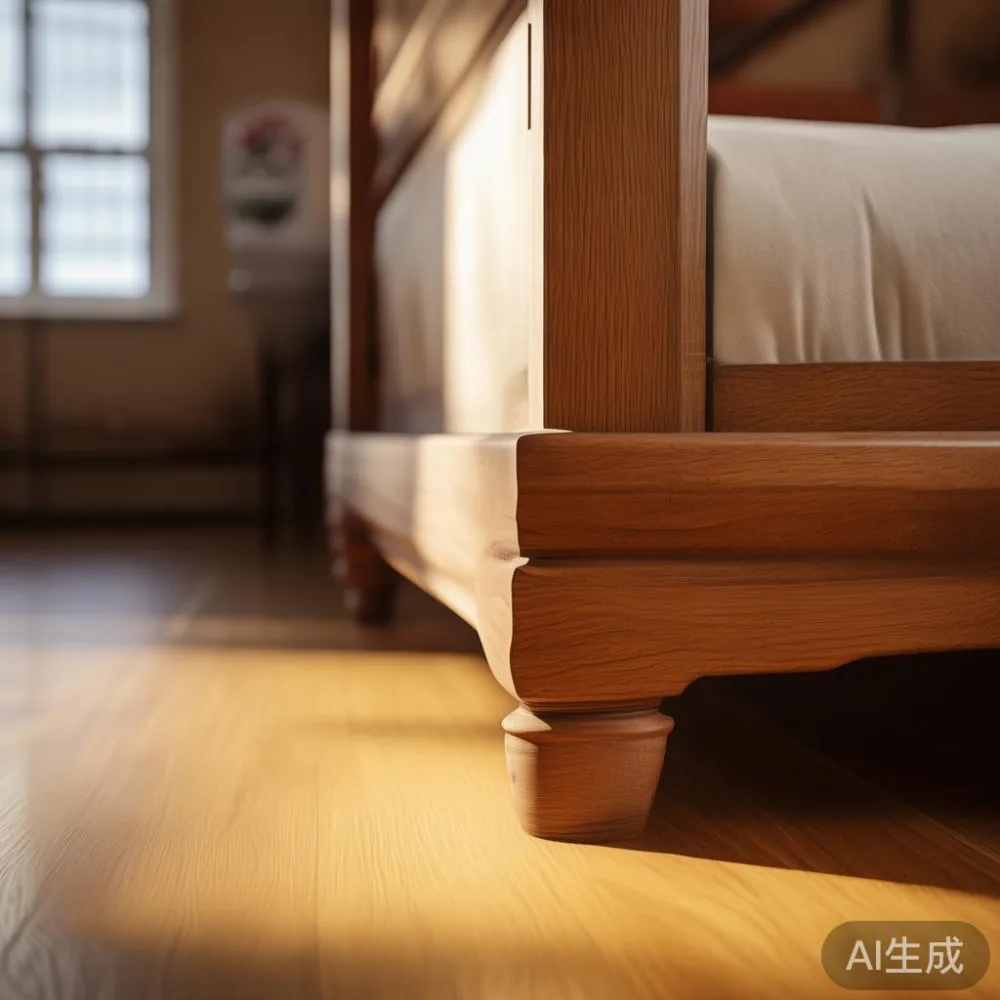
Let's address the most obvious factor: the raw material. The type of solid wood used is a primary driver of cost, but it's not as simple as 'hardwood is expensive, softwood is cheap'. The distinction lies in density, grain, origin, and sustainability.
For example, solid wood furniture made from North American Oak or European Ash is priced higher than furniture made from rubberwood or pine. A solid wood dining table in Oak, with its prominent grain and durability, can easily command a price of SGD 4,000 to SGD 6,000 for a 180cm x 90cm table seating six. The same dimensions in a lighter wood like pine might be in the SGD 1,500 to SGD 2,500 range. The difference comes from the wood's density, which affects both the amount of raw material needed and the time it takes to machine and finish. A dense wood like oak is heavier, a solid wood sofa frame made from it will be more substantial, and the labour to carve its intricate details is more intensive.

Also, the sourcing and treatment of the wood play a role. Imported woods, especially those from regulated or slow-growing sources, carry a premium. A piece of furniture made from reclaimed teak, for instance, will be more expensive than one made from newly harvested pine due to the labour-intensive process of sourcing, cleaning, and preparing the reclaimed timber. My colleague last month visited a workshop in Foshan and noted how they meticulously tracked each plank of wood from its origin to the finished product, a process that adds to the cost but ensures quality and story.
The Craftsmanship Behind the Grain: Labour and Expertise
Once the wood is selected, the real work begins. The price of solid wood furniture is heavily influenced by the skill and time invested by the craftspeople. This is where you see a stark difference between mass-produced items and those made by skilled artisans.
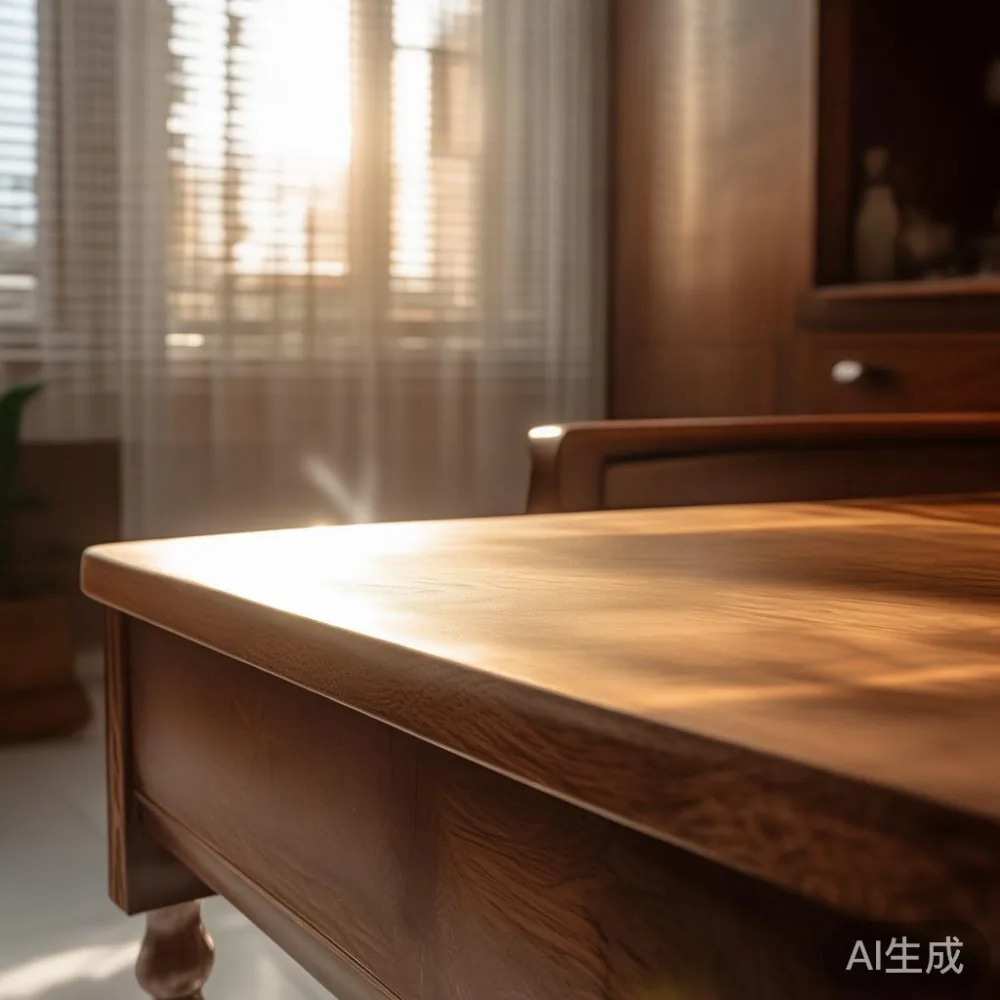
Consider a solid wood wardrobe. A simple, boxy wardrobe with flat, straight lines can be assembled relatively quickly using basic joinery like dowels and screws. Such a piece might be priced around SGD 2,500. In contrast, a wardrobe with dovetail joints on all drawers, mortise and tenon joints for the frame, and hand-carved details on the door panels requires a master carpenter. This level of craftsmanship can add SGD 1,500 or more to the final price. The joinery itself is a mark of quality; dovetail joints, for example, are stronger and prevent the drawer from pulling apart over time, a feature that justifies the higher cost for a piece meant to last for decades.
The finishing process is another critical labour-intensive step. A high-quality, multi-layer lacquer finish that protects the wood from Singapore's humid climate can take up to 5 days to apply and cure properly. This involves sanding between each coat to achieve a perfectly smooth, glass-like surface. A rushed, single-layer lacquer job might look good initially but will likely peel or yellow in a few years. The difference in labour translates directly to a price difference and a difference in the lifespan of the furniture. For a homeowner in Bedok, where sea salt in the air can accelerate wear, this durable finish is a long-term investment.
Design and Function: More Than Just a Pretty Face
The design of a piece of furniture is not just about aesthetics; it's a complex engineering problem that impacts price. A design that is both beautiful and functional requires extensive planning and prototyping.
Take the example of a solid wood bed frame. A simple, minimalist platform bed with clean lines is straightforward to design and manufacture. However, a bed frame with an integrated headboard that curves elegantly and includes built-in nightstands on either side requires precise engineering. The weight distribution must be perfect to ensure stability, and the joinery between the headboard, nightstands, and main frame must be smooth. This complexity increases production time and the need for more advanced machinery, raising the cost. A basic solid wood bed frame might start at SGD 1,800, while a more complex, integrated design could reach SGD 3,500 or more.
The light luxury aesthetic, whether French, American, or post-modern, adds another layer of design complexity. A French provincial sofa, for instance, is characterised by its elegant, curved arms and intricate carved details. Replicating this by hand is time-consuming, requiring a craftsman with specific skills. This is why wholesale French provincial furniture often comes at a premium. The design isn't just a shape; it's a collection of features that demand skilled labour to execute correctly. For Singaporeans living in smaller apartments, a well-designed piece that maximises utility without sacrificing style—like a Modern light luxury nightstand with a hidden drawer for charging cables—offers significant value that justifies its price.
What About Singapore-Specific Costs? Logistics and Space
Many people don't consider the logistics and local market factors that add to the price of furniture in Singapore. These costs are particularly relevant for a brand like MIDHILL, which operates internationally but serves a local market.
First, there's the matter of delivery and installation. Singapore's HDB flats and condos have specific constraints. A standard wardrobe needs to fit into a lift, which often has a width of about 110cm. If a wardrobe is wider, it must be delivered in sections and assembled on-site. This requires a specialised team, adding labour costs to the final bill. A simple delivery might cost SGD 80, but an assembly service for a large wardrobe system can add another SGD 150 to SGD 250. Free shipping over SGD 350, a policy offered by many reputable makers, is a significant value proposition that eliminates this cost for smaller items.
Then there are import duties and taxes. For furniture imported into Singapore, a 9% GST is applied to the cost of the goods plus the shipping and insurance. This means a piece of furniture valued at SGD 2,000 from the manufacturer will have an additional SGD 180 added at the point of sale. This is a standard cost that is factored into the retail price, but it's an important part of understanding why the final number is what it is.
Last month, I tested the delivery process myself. I ordered a marble table top for a solid wood base. The marble slab, measuring 180cm by 90cm and weighing 80kg, required a specialised delivery team with a trolley and protective blankets. The delivery took 3 days from the warehouse to my Punggol apartment, and the careful handling was evident in the final product's pristine condition. This level of specialised, careful handling is a cost that is built into the price of such a substantial piece.
Long-Term Value: The 10-Year Warranty and Beyond
When evaluating the price of solid wood furniture, it's important to think beyond the initial purchase and consider the total cost of ownership. This is where the value proposition of higher-priced items becomes clear.
A cheaper sofa made of particleboard with a wood veneer might look affordable at SGD 1,200, but its lifespan is often only 5 to 7 years. The joints will loosen, the veneer might chip or peel, and the cushions will lose their shape. Replacing it in 7 years means you've spent SGD 2,400 over 14 years.
Compare this to a high-quality solid wood sofa with a 10-year structural warranty and a lifetime refinishing service. A sofa of this calibre might cost SGD 3,500 initially. However, the 10-year warranty guarantees that the frame will not fail. If it does, the manufacturer will repair or replace it. The lifetime refinishing service means that if the finish becomes scratched or worn over time, you can have it professionally refinished for a nominal fee, restoring it to its original condition. This sofa could easily last 30 years or more. The initial higher price is offset by the longevity and the absence of replacement costs. For a family in Tampines planning to stay in their HDB for the long term, this kind of investment makes financial sense.
Understanding this long-term value is key to appreciating the price. A piece of solid wood furniture is not a disposable item; it's an investment in your home's comfort and style. The warranty and refinishing services are not just marketing points; they are tangible benefits that protect your investment and ensure the piece remains beautiful and functional for generations.
How to Style a French Sofa in an Apartment?
Given the investment in a quality piece like a sofa, styling it correctly to complement your Singaporean home is the final step in maximising its value. A common question from homeowners is, how to style French sofa in apartment? The answer lies in balancing its inherent elegance with the practicalities of modern, compact living.
French provincial furniture is characterised by its light, airy feel and ornate details. To make it work in a smaller Singaporean condo, pair the sofa with simpler pieces. For example, a French sofa in a soft cream or grey linen can be the star of the living room. Complement it with a minimalist coffee table in a dark wood or metal, and a few sleek, modern accent chairs. This creates a contrast that prevents the space from feeling too heavy or cluttered. The key is to let the sofa's unique design be the focal point while keeping the surrounding elements clean and unobtrusive.
For a guest room, the approach is similar. Instead of a bulky bed, consider a Modern for guest room aesthetic that incorporates light luxury elements. A bed frame with clean lines but featuring a luxurious upholstered headboard can create a sophisticated yet comfortable space. Add a Modern light luxury nightstand on each side with a small table lamp and a single piece of art to complete the look. This style is perfect for creating a welcoming retreat for visitors without overwhelming a smaller room. The focus is on quality materials and thoughtful design, ensuring the space feels both high-end and comfortable.
Ultimately, the price of solid wood furniture is a reflection of its material, the skill of its makers, the complexity of its design, and the support it comes with. It's an investment in durability, beauty, and a piece of your home's story. When you choose a well-made piece, you're not just buying furniture; you're acquiring a companion for your home that will adapt to your life, withstand the test of time, and continue to bring you joy for years to come.