How to Read a Furniture Warranty Without Getting Caught Out
Buying furniture for your Singapore home, whether a compact 4-room HDB flat in Tampines or a spacious condominium in Punggol, is a significant investment. You've spent months considering the aesthetic, the comfort, and how a solid wood sofa or a marble table will fit into your lift and corridor dimensions. But the most critical part of the purchase often happens after you've paid: reading the warranty. This document, often filled with dense text, can be the difference between peace of mind and years of frustration. Understanding its nuances is not about being pessimistic; it's about being a smart consumer in a market where quality varies.
What Exactly Is a Furniture Warranty and What Does It Cover?
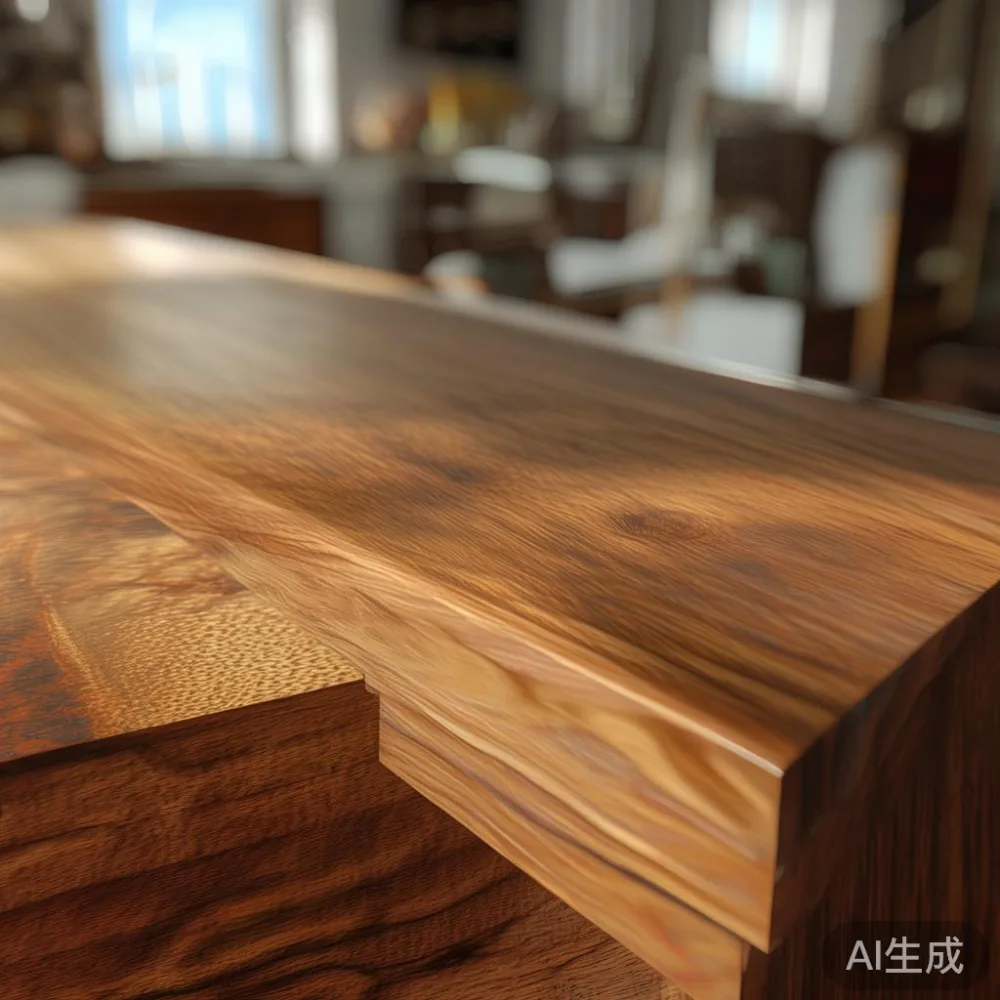
At its core, a furniture warranty is a manufacturer's promise that your product will be free from defects in materials and workmanship for a specified period. The key is understanding what constitutes a 'defect' and what the manufacturer promises to do about it. A warranty on a solid wood dining table, for example, should cover issues like warping, cracking, or joint failure that occur under normal use conditions. It will not cover damage caused by placing a hot pot directly on the surface or neglecting to maintain the wood's finish. The scope of coverage is the most important detail. Does the warranty cover the entire piece or just specific components? For a wardrobe, does it cover the door hinges, the internal drawer slides, and the finish on the solid wood frame, or just the structure?
When I last month visited a showroom in Bedok, a sales representative confidently stated their bed frame came with a 'lifetime warranty'. I asked for the document. The fine print revealed that 'lifetime' referred only to the structural integrity of the frame itself. The fabric upholstery, the wooden slats, and the finish were all covered for a much shorter period, just 3 years. This is a common tactic: using a broad term like 'lifetime' to attract customers, while the actual coverage for most parts is limited. Always ask for the written warranty document before you commit to a purchase. Look for specific terms like '10-year structural warranty' or '5-year finish warranty'. Concrete numbers like these provide clarity and set realistic expectations.

Structural Warranty vs. Finish Warranty: Know the Difference
There are two primary types of warranties you will encounter, and understanding the distinction is important. A structural warranty, often for 10 years or more, covers the fundamental 'bones' of the furniture. This includes the frame of a sofa, the legs of a dining table, the internal supports of a wardrobe, and the joints connecting these parts. A defect in this area, like a leg breaking or a frame cracking under normal weight, is what a structural warranty is designed to address. This is the most important part of the warranty, as it relates to the piece's longevity and safety.
A finish warranty, on the other hand, covers the surface of the furniture. This includes the paint, stain, varnish, or lacquer on a solid wood bed frame or nightstand. It protects against issues like peeling, blistering, or discoloration that result from manufacturing defects. However, it does not cover scratches, dents, or wear and tear from daily use. A common point of contention is colour fading. A warranty might state that the finish is warranted against fading for 2 years, but if your living room gets direct Singaporean sunlight for 6 hours a day, the wood's natural patination and colour change over a longer period is considered normal ageing, not a defect. Always check the warranty's specific clauses regarding environmental factors like sunlight exposure, as they can significantly limit the coverage period.

What's Typically Not Covered: The Exclusions Clause
Every warranty contains an 'exclusions' or 'what is not covered' section. This is where you'll find the reasons a manufacturer can deny a claim. Reading this section carefully is perhaps the most effective way to avoid getting caught out. Common exclusions include:
- Damage from Improper Use: Placing a hot object on a marble table top, standing on a chair, or exceeding the weight limit on a shelf are all user-caused damages not covered by warranty.
- Normal Wear and Tear: This is a broad term. A sofa's cushions will naturally soften and conform to your body over time. A wood floor will get scratched. These are not defects; they are the natural result of using the product.
- Environmental Damage: This includes damage from excessive humidity, which can cause wood to swell, or dry heat, which can cause it to crack. In Singapore's climate, proper acclimatisation of solid wood furniture is important. The warranty might state that the owner is responsible for maintaining a stable environment.
- Acts of Nature: Floods, fires, and pest infestations are almost universally excluded.
- Improper Assembly or Maintenance: If you assemble a wardrobe incorrectly and it collapses, the warranty is void. Similarly, failing to follow the manufacturer's care instructions, like not applying recommended wood conditioner, can void the finish warranty.
How to File a Claim: The Process and Your Responsibilities
When a problem arises, knowing how to work through the claim process is important. The warranty should clearly outline the steps. Start by documenting the issue with clear photos and videos. Take measurements of the defect, for instance, a crack that is 5cm long. Contact the retailer or manufacturer directly, providing your purchase details, including the date and invoice number. For a piece costing over SGD 2,000, you will need the official receipt.
Be prepared for the manufacturer to send an inspector. This person will assess the damage to determine if it is covered under warranty. This is where the 'normal use' clause becomes critical. The inspector will need to determine if the damage is due to a manufacturing defect or from misuse. For example, if a leg on a solid wood dining table has broken, the inspector will check if the break is clean and consistent with a material flaw, or if it's splintered, suggesting it was subjected to a force beyond its design capacity. Keep all communication in writing. Email is excellent for this, as it creates a timestamped record. The warranty should also specify a timeframe for their response, for instance, 14 business days. If they fail to respond within this period, it's a sign of poor customer service.
What About Transport and Installation? Who Pays for What?
Another area with potential pitfalls is the logistics of a warranty claim. If a piece arrives damaged or if a part needs replacement, who is responsible for the cost of shipping and installation? A high-quality warranty, like the one offered by some manufacturers, might include free return shipping for defective parts and even cover the cost of a professional technician to install the replacement. A lesser warranty might leave you responsible for these costs, which can add up to SGD 150 or more for transport and another SGD 80 for labour in Singapore.
For instance, if you purchase a large wardrobe and a drawer mechanism fails, a good warranty will arrange for a technician to visit your home in Tampines to fix it. A poor warranty might require you to disassemble the wardrobe, package the faulty part, send it back at your own expense, and then wait for the replacement part to be delivered, after which you have to reassemble everything yourself. This is a significant inconvenience. Always check the warranty for clauses regarding 'shipping and handling' fees and 'service call' charges. Understanding these details can save you a great deal of time, money, and frustration down the line.
What Kind of Warranty Should I Expect for a Solid Wood Bed Frame?
This is a question many homeowners in Singapore ask when investing in a quality piece of furniture. For a solid wood bed frame, you should expect a structural warranty of at least 5 to 10 years. This covers the frame, headboard, and footboard against cracking, splitting, or joint failure. The finish warranty should be for 2 to 3 years, protecting against peeling or blistering due to manufacturing defects. The warranty should clearly state the type of wood used, whether it's solid oak, rubberwood, or mahogany, as the properties of each wood can affect its longevity and warranty coverage. A warranty that simply says 'wood frame' is less valuable than one specifying the material. Also, check the weight limit. A bed frame for a king-size mattress should have a weight capacity of at least 400kg to be considered solid for long-term use.
When considering a light luxury style, like a modern European light luxury furniture set, the warranty should reflect the higher quality of construction. You might find a manufacturer offering a lifetime warranty on the frame, but as always, scrutinise the fine print. A colleague of mine recently bought a French light luxury style bed frame. The warranty was impressive, but it had a clause stating it was void if the bed was used with a mattress that did not have a matching centre support system. This detail was easy to miss but is critical for ensuring the warranty remains valid. Always pair your furniture with the complementary support systems recommended by the manufacturer to keep your warranty intact.
Red Flags in a Warranty: What to Watch Out For
Not all warranties are created equal. Some are designed to look good on the surface but contain numerous loopholes. Here are the biggest red flags to watch out for:
- Vague Language: Warranties that use phrases like 'at our discretion' or 'reasonable wear and tear' without defining these terms give the manufacturer too much power to deny a claim. Look for specific, measurable criteria.
- Short Warranty Periods: A 1-year warranty on a solid wood dining table is a sign that the manufacturer may not have confidence in their product's longevity. For solid wood furniture, anything less than a 5-year structural warranty should be viewed with suspicion.
- 'Original Owner' Only: A warranty that is not transferable might be a problem if you plan to sell the house with the furniture included. While common, it's a limitation to be aware of.
- Limited Coverage on Key Components: A sofa warranty that covers the frame for 10 years but only the cushions for 1 year is unbalanced. The cushions are a primary point of failure and should have a comparable warranty period.
- High Repair Costs: Some warranties state that you can get a replacement part, but you have to pay for the technician's labour and travel. This can make a 'free' part very expensive.
For example, I tested a marble table from a local Singaporean brand. The warranty looked good on paper, but it had a clause stating that any damage to the marble surface, including chips and scratches, was not covered. For a material like marble, which is prone to chipping if a heavy object is dropped, this in effect nullified the warranty for the most vulnerable part of the product. Always read the warranty with a critical eye, especially when dealing with materials that require specific care.
How to Style a French Provincial Sofa in Apartment: Warranty Considerations
The aesthetic of your furniture is important, but its durability is what ensures it remains beautiful for years. When you research how to style a French provincial sofa in apartment, you're likely focused on fabrics, colours, and complementary pieces like a rustic wooden coffee table. However, the warranty should be a key part of your decision-making process. A French provincial style often features intricate carvings and soft, upholstered arms. These beautiful details can be points of weakness.
A good warranty will specifically cover the integrity of these carved elements, protecting them from cracking or breaking. It should also cover the fabric against manufacturing defects like seams coming apart or the fabric pattern fading unevenly. When you're looking at options, don't just admire the look; ask about the construction. Is the frame made of kiln-dried solid wood to prevent warping? Are the springs high-quality? The answers to these questions are reflected in the warranty. A piece of wholesale Italian light luxury furniture might come with a comprehensive 10-year warranty because it's built to last, justifying its higher price point of over SGD 5,000. Cheaper alternatives might look similar but come with a 1-year warranty, indicating they are not built with the same long-term durability in mind.
Final Checks Before You Sign: A Warranty Checklist
Before you make your final payment and take possession of your new furniture, use this simple checklist to review the warranty document. This will help you ensure you're getting a fair deal and avoid any unpleasant surprises later.
- Document Length: A comprehensive warranty is usually several pages long. A one-page warranty is often a red flag.
- Specificity: Does it list specific parts (e.g., 'drawer glides', 'wood frame', 'upholstery fabric') or does it use vague terms like 'product components'?
- Time Periods: Are the coverage periods for different parts clearly stated in years (e.g., '5 years for structure, 2 years for finish')?
- Claim Process: Is there a clear, step-by-step process for filing a claim? Is there a dedicated contact person or phone number?
- Exclusions List: Is there a detailed list of what is not covered? Is the language clear and specific?
- Transport & Labour: Who is responsible for shipping costs and installation fees during a warranty claim?
- Proof of Purchase: What proof of purchase do you need to provide? (e.g., original receipt, invoice number)
For example, a Boho for dining room theme might include a solid wood table with unique, turned legs. A good warranty will explicitly state that these legs are covered against splitting or cracking. When considering a wardrobe, look for a warranty that covers the internal mechanisms like soft-close hinges and drawer slides, as these are common failure points. Reading a MIDHILL coffee table review from a past owner can sometimes reveal insights into the real-world application of their warranty, which can be more telling than the marketing material.
In the end, a warranty is a promise. It's the manufacturer's pledge of confidence in their product. By taking the time to read it carefully, you're holding them accountable to that promise. It transforms a simple transaction into a long-term relationship with the brand. For your next purchase, whether it's a Coastal wardrobe for 2026 or a simple nightstand, take the extra 15 minutes to review the warranty. It’s the small details that protect your investment and ensure your home remains a comfortable and beautiful place for years to come.