Solid Wood vs. Veneer: A 5-Year Cost Breakdown for Singapore Homes
When furnishing a home in Singapore, especially in spaces like a Tampines HDB flat or a Punggol condo, the choice of materials has long-term consequences. The decision between solid wood and veneer furniture impacts not just the initial budget but also the lifespan, maintenance, and value over five years. This article provides a detailed, number-driven comparison to help you understand the true cost of each option in the context of local living conditions, including GST, delivery logistics, and the reality of wear and tear in our climate.
What Exactly Are We Comparing? Solid Wood and Veneer Defined
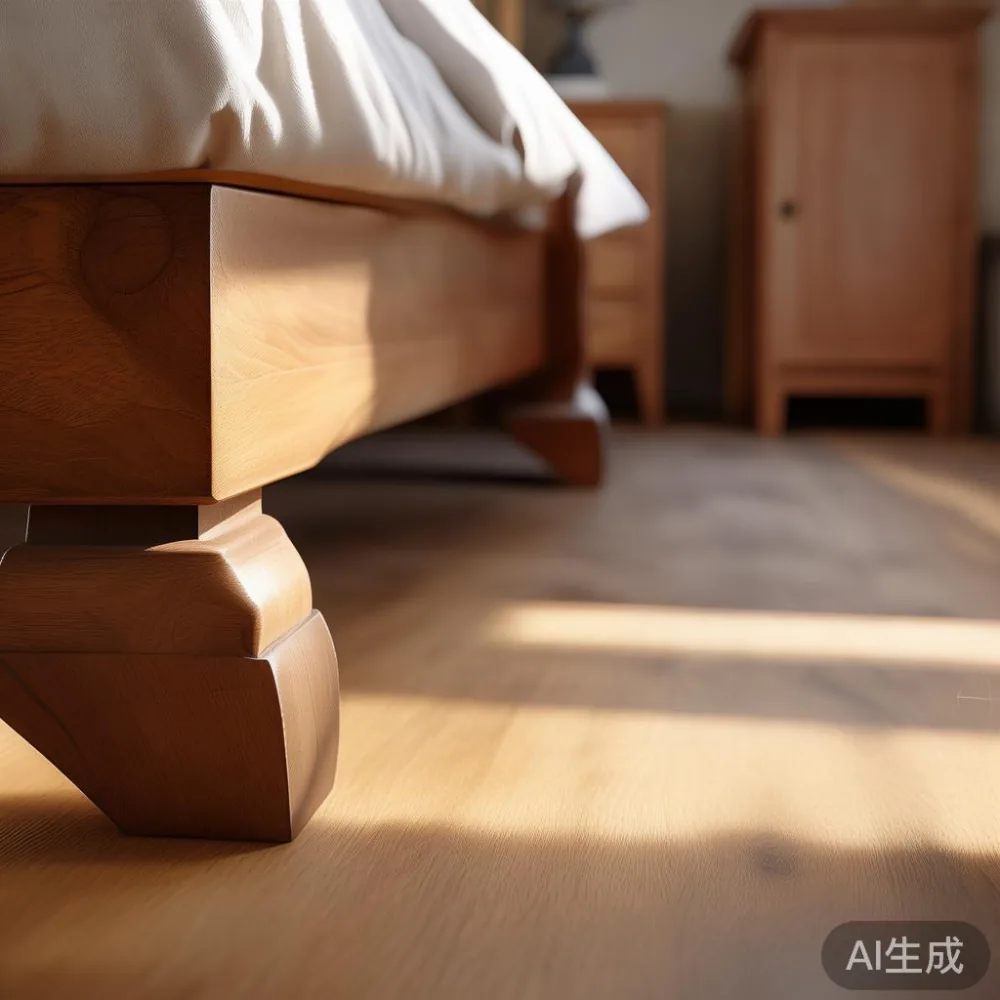
Solid wood furniture is constructed from a single piece of lumber or solid wood planks joined together. A solid wood dining table, for example, is made entirely from hardwood like oak, walnut, or teak. Its weight is a clear indicator; a typical solid wood dining table for 6 people weighs between 45 to 65 kg. The texture and grain are consistent throughout the piece, making repairs and refinishing possible for decades. This is the core of what we mean by 'solid wood' furniture.
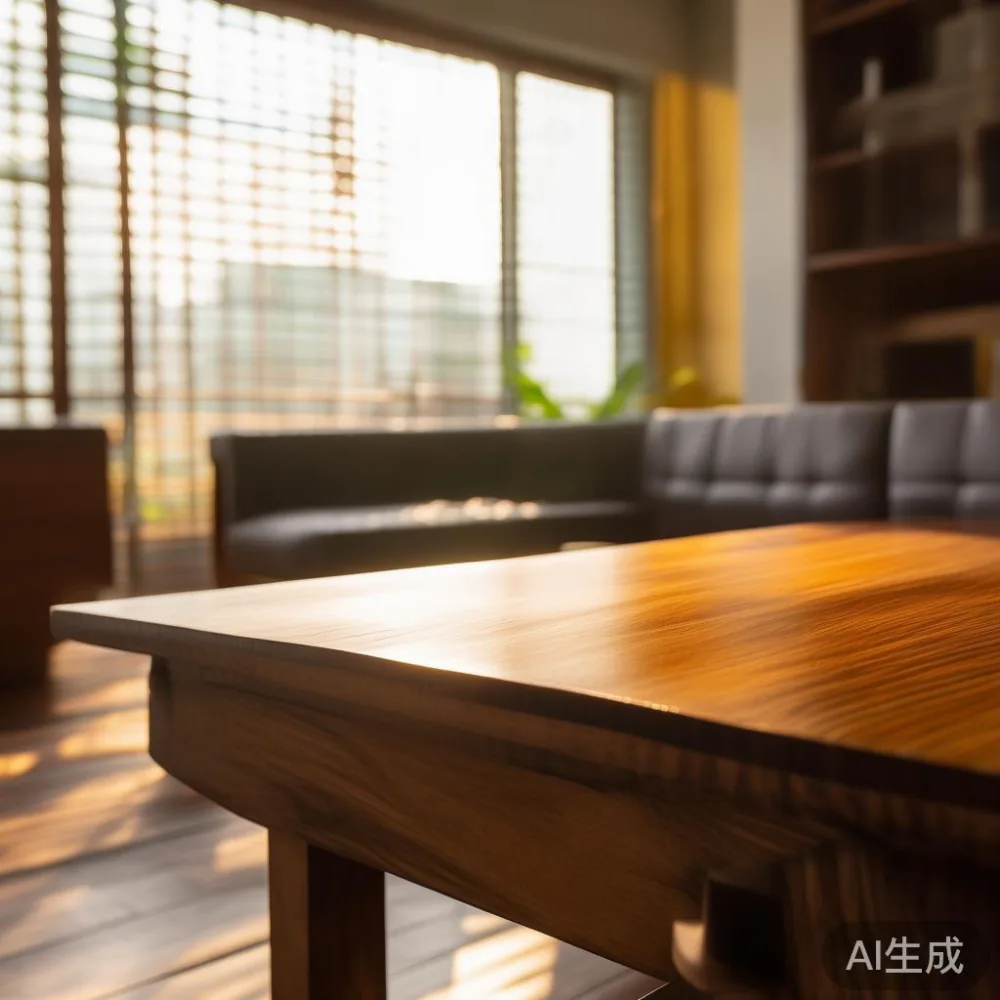
Veneer, on the other hand, is a thin layer of real wood applied over a base of engineered wood like MDF (Medium-Density Fibreboard) or particleboard. This base material is much lighter and less expensive. A veneer dining table might weigh only 25 to 35 kg. The visible surface is real wood, but the core is composite. While veneer can look beautiful initially, its structure is fundamentally different. The long-term durability of the piece depends entirely on the quality of the base material and the adhesive bonding the veneer to it.
The 5-Year Financials: A Head-to-Head Comparison in SGD
To make a fair comparison, let's price out a common living room set: a sofa, a coffee table, and a TV console. We will use a local Singaporean context, factoring in GST at 7%, delivery fees, and potential repair costs. The prices are estimates based on mid-range furniture available in Singapore.
Initial Purchase Cost (Year 0)
Solid Wood Set: A solid wood sofa (220cm long) costs approximately SGD 3,800. A solid wood coffee table with a marble top is about SGD 1,200. A solid wood TV console is around SGD 1,000. The subtotal is SGD 6,000. Adding 7% GST brings it to SGD 6,420. Delivery for a heavy set like this might cost SGD 150, assuming it fits in the lift and corridor of a typical HDB flat. Total initial cost: SGD 6,570.
Veneer Set: A veneer sofa of similar dimensions costs about SGD 1,800. A veneer coffee table with a faux marble top is SGD 600. A veneer TV console is SGD 500. The subtotal is SGD 2,900. Adding 7% GST makes it SGD 3,103. Delivery is lighter and cheaper, perhaps SGD 80. Total initial cost: SGD 3,183.
Savings with Veneer at Purchase: SGD 6,570 - SGD 3,183 = SGD 3,387. The veneer set is significantly cheaper upfront.
Year 1-2: Minor Wear and Tear
In the first two years, both sets will look good. However, subtle differences begin to appear. In a humid climate like Singapore, wood expands and contracts. A solid wood sofa frame, being more stable, handles this movement well. A veneer piece, especially one with a cheaper MDF core, might start showing small bubbles or cracks at the seams where the veneer meets an edge. This repair is not covered by warranty and might cost SGD 150 for a professional to fix a small area.
Solid Wood Maintenance: A light polish with a wood-safe cleaner once every 6 months. Cost: SGD 40 per year. Total for two years: SGD 80.
Veneer Maintenance: A wipe-down with a damp cloth. Cost: SGD 20 per year. Total for two years: SGD 40, plus the potential repair cost of SGD 150. Total potential cost: SGD 190.
Year 3-4: The Durability Test
This is where the real divergence happens. Solid wood furniture is incredibly durable. A solid wood bed frame or dining table can withstand daily use for decades. A veneer piece, however, is more susceptible to damage. A hot cup placed directly on a veneer coffee table can leave a permanent white ring that cannot be sanded out. A heavy object dropped on a veneer TV console can chip the surface, exposing the MDF underneath. Repairing this kind of damage is difficult and costly, often requiring replacing the entire top panel. A repair for a significant chip or burn on a veneer surface could cost SGD 300 or more.
Solid Wood Maintenance: Continued polishing. Cost: SGD 40 per year. Total for two years: SGD 80. The piece remains structurally sound.
Veneer Maintenance: Continued cleaning. Cost: SGD 20 per year. Total for two years: SGD 40. The risk of significant damage increases. Let's assume one major repair event: a coffee table top replacement. Cost: SGD 350. Total potential cost: SGD 390.
Year 5: The End of the Comparison Period
After five years, the solid wood set has aged gracefully. It may have minor scratches, but these can be sanded out and the piece refinished. A solid wood sofa can be completely reupholstered, giving it a new life. The structural integrity is unchanged. The total cost of ownership is simply the initial price plus minor maintenance.
The veneer set, however, is showing its age. The seams are more pronounced. The MDF core, exposed in a few places from chips, is prone to swelling in Singapore's humidity, causing the veneer to warp further. A veneer wardrobe door might sag on its hinges. The structural integrity of the base material is compromised. Repairing all these issues would be more expensive than the piece is worth. The total cost of ownership includes the initial price, maintenance, and one or two major repairs.
5-Year Total Cost (Solid Wood): SGD 6,570 (initial) + SGD 80 (maintenance) = SGD 6,650.
5-Year Total Cost (Veneer): SGD 3,183 (initial) + SGD 190 (Y1-2) + SGD 390 (Y3-4) = SGD 3,763. This does not account for potential replacement costs if the piece becomes unusable.
Is French Sofa Worth It? The Aesthetic and Longevity Factor
A common question from homeowners is: is French sofa worth it? The answer lies in understanding what you are paying for. A French light luxury sofa, with its elegant curves, carved legs, and premium upholstery, is often available in both solid wood and veneer versions. The veneer version will be cheaper, but it lacks the substance and longevity of a solid wood frame. Over five years, the solid wood French sofa maintains its form and can be reupholstered, preserving its light luxury character. The veneer version may lose its shape and its aesthetic appeal as the underlying structure weakens, making the initial savings a false economy.
Real-World Experience: A Colleague's Story
Last month, I visited my colleague, Sarah, at her new Bedok condo. She had furnished her entire home with veneer furniture to save money. Her living room had a light luxury sofa vs Italian light luxury sofa debate, which she won with a stylish but affordable veneer option. However, after just three years, her veneer dining table showed significant signs of distress. The table, which she had chosen for a 'Rustic for dining room' look, had a veneer top that had bubbled along the edges. The humidity from her air-conditioned unit had caused the MDF core to expand slightly, lifting the thin wood layer. A solid wood table, she admitted, would not have this problem. The cost to repair it was almost half what she paid for the table initially, making her regret the initial choice.
Practical Singaporean Considerations: Space and Logistics
Living in Singapore means working through specific spatial constraints. HDB flats and condos have standard lift and corridor widths. A solid wood wardrobe is heavier and requires careful handling during delivery. The delivery team from a reputable Foshan factory will be equipped to handle this, but the logistics are more complex than for a lighter veneer wardrobe. The weight of a solid wood wardrobe can be over 100 kg, requiring two people to carry it through a standard 80cm corridor. Veneer wardrobes are much lighter, around 50-70 kg, making them easier to manoeuvre. However, the long-term benefit of a solid wood wardrobe's durability and silent closing doors often outweighs the initial delivery hassle.
How to Choose Japandi Wardrobe and Other Styling Questions
When considering style, the material choice becomes even more important. The Japandi style, for example, emphasizes clean lines, natural materials, and functional beauty. A question many ask is how to choose Japandi wardrobe. A solid wood Japandi wardrobe, with its honest wood grain and sturdy construction, perfectly embodies the principles of this style. It will age beautifully, developing a patina that adds to its character. A veneer version, attempting to mimic the look, will lack the same depth and texture. Over time, the veneer's artificial nature becomes apparent, detracting from the minimalist, natural ethos of Japandi design. The same principle applies to a 'Nordic for guest room' theme; solid wood furniture provides the authentic, warm feel that defines the style.
The Hidden Value: Resale and Refinishing
One of the most significant financial advantages of solid wood furniture is its residual value. After five years, a well-maintained solid wood dining table can be sold for 30-40% of its original price. A veneer table, however, has virtually no second-hand value. It is often considered disposable. Also, solid wood offers a lifetime refinishing option. If you get tired of the colour, a solid wood bed frame can be completely sanded down and stained a new colour, effectively giving it a brand new look. This is not possible with veneer, which can only be cleaned or have its surface repaired. This ability to refresh a piece of furniture adds immense long-term value that is not reflected in the initial price tag.
Light Luxury Positioning: Beyond the Surface
Light luxury is about creating a sense of quality and understated elegance. American light luxury or post-modern light luxury styles often feature clean lines and high-quality materials. A solid wood nightstand with a marble top is a perfect example. The weight of the solid wood base and the cool, solid feel of the marble top convey a sense of permanence and quality. A veneer nightstand with a faux marble top might look similar from a distance, but the lack of substance is immediately apparent upon touch. Over five years, the solid wood piece will remain a beautiful, functional object, while the veneer version may begin to look cheap and worn, undermining the entire light luxury aesthetic of the room.
How to Style Japanese Sofa in Room for Long-Term Appeal
p>Styling a Japanese sofa in a room is an art form focused on simplicity, natural materials, and harmony. A Japanese sofa is often low to the ground and emphasizes clean lines. To achieve this look authentically, pairing it with a solid wood coffee table is ideal. The natural grain of the wood complements the minimalist aesthetic of the sofa. If you were to use a veneer table, its artificial nature would clash with the organic, honest feel of the Japanese design principle. The choice of solid wood ensures that the styling choice remains coherent and appealing over many years, not just for the first few months after purchase.