Reading a Furniture Warranty in Singapore: 7 Traps to Spot Before You Sign
I still remember standing in the corridor of a Tampines HDB block last month, watching two movers wrestle a 2.4-metre solid wood dining table through a 1.1-metre-wide lift door. They won, but only after removing the legs and one panel of the lift’s protective rubber bumper. The owner had bought the table three months earlier from a regional e-commerce seller, and when a hairline crack appeared at the joint six weeks in, the warranty reply was one sentence: “This is considered wear and tear, not covered.” That single line erased her S$2,180 purchase.
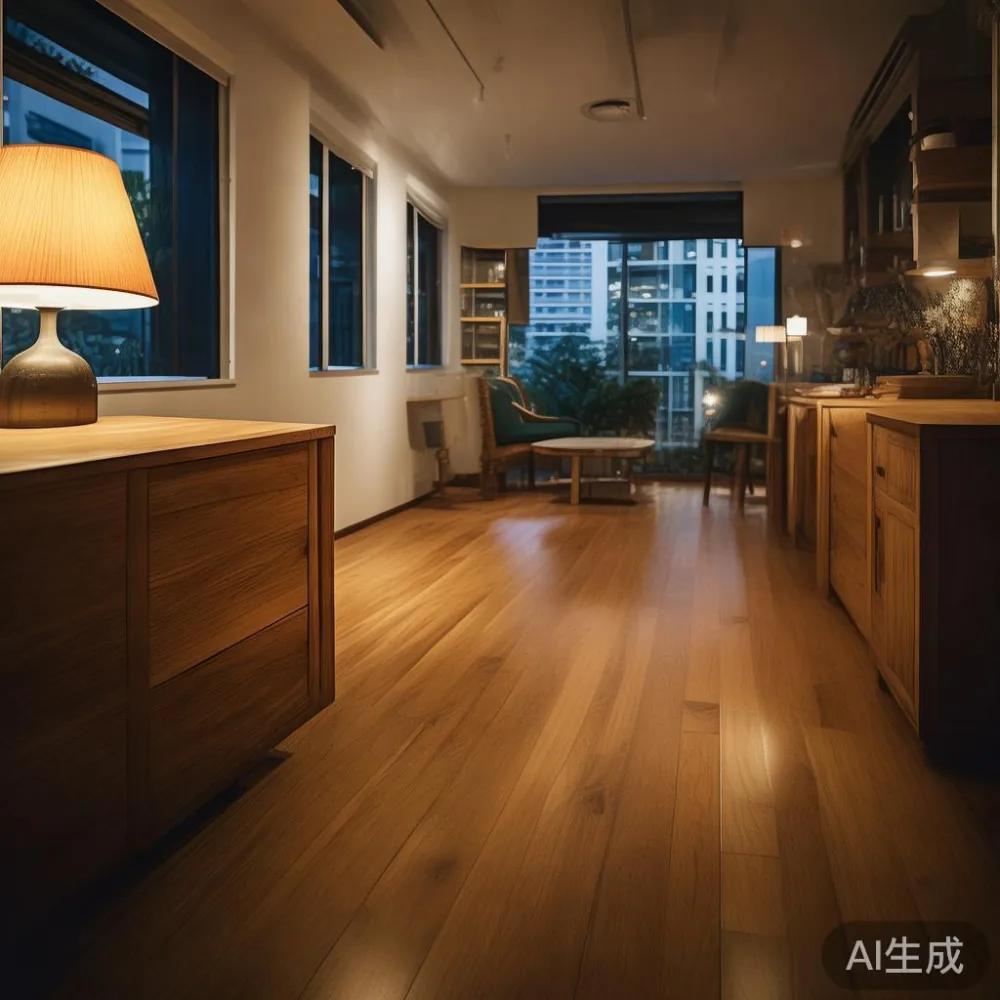
Most warranty documents read like furniture care guides written by lawyers. The print is small, the verbs are vague, and the exclusions are buried two pages deep. In Singapore, where HDB and condo corridors measure between 1.0 m and 1.5 m, and where lift interiors often sit at 1.1 m × 1.4 m, the gap between “covered” and “not covered” usually depends on how carefully you read the fine print before the delivery van arrives. Below is the field guide I wish I could have handed that Tampines homeowner.
What does a furniture warranty actually cover in Singapore?
In practice, a furniture warranty covers two things only: structural failure of the frame or joinery, and factory defects in materials at the point of delivery. Everything else — finish, fabric, leather, hardware, drawers, soft-close hinges, marble veining, and movement caused by humidity — is treated as a separate category, often labelled “cosmetic” or “natural behaviour of solid wood.”
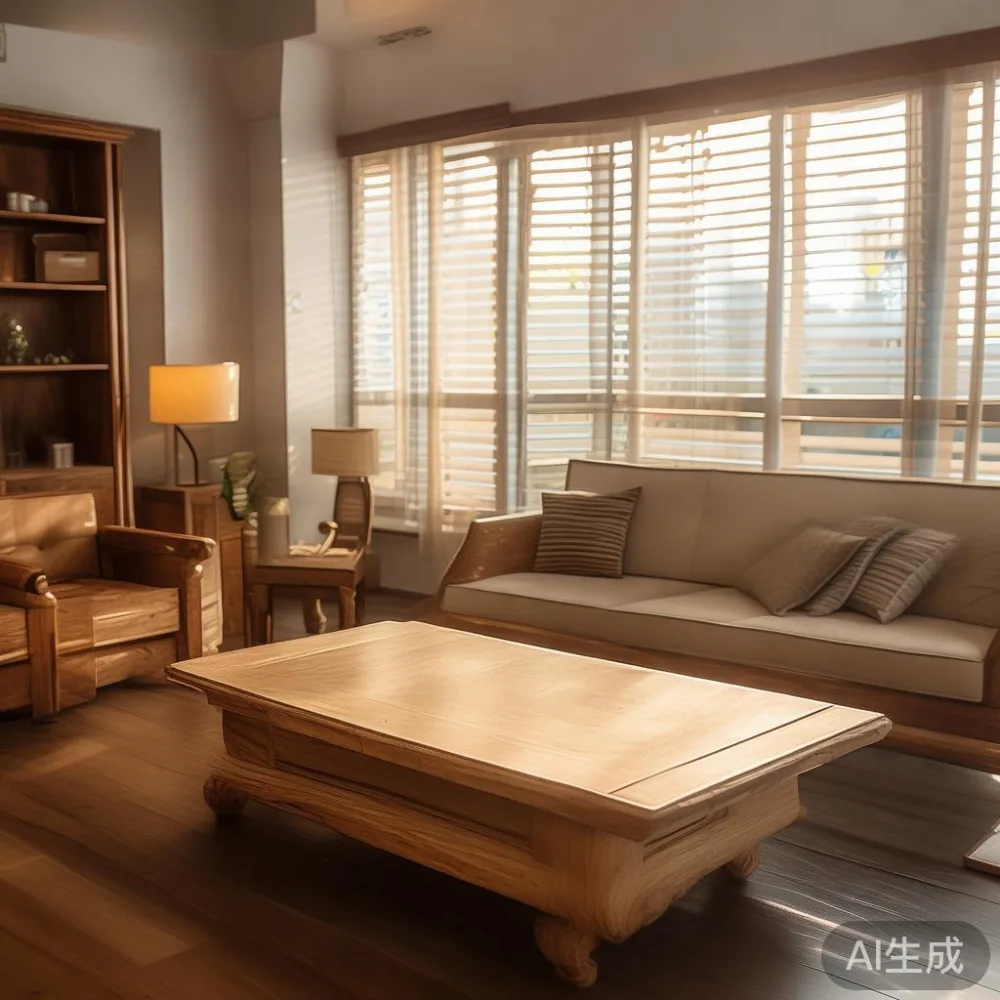
When you buy a solid wood sofa, bed frame, dining table, wardrobe, or nightstand, the document you sign (or the online checkbox you tick) should state, in writing, the warranty period in years, the parts covered, and the labour terms. If any of those three are missing, treat it as a red flag. A 10-year structural warranty, for example, usually means the factory guarantees that the main load-bearing elements — the rails of a bed frame, the aprons of a dining table, the seat platform of a solid wood sofa — will not fail under normal residential use. A 1-year warranty on hardware (slides, hinges, handles) is also standard. What is not standard is the definition of “normal residential use,” which is where most disputes begin.
How long should a real warranty on solid wood furniture last?
Anything under 5 years on the structural frame is, in my experience, a yellow light. Anything under 2 years is a walk-away. Solid wood furniture that has been properly kiln-dried, joined with mortise-and-tenon or dowel construction, and finished with a conversion varnish or hard wax oil can easily outlast its owner. The risk is in the glue, the fasteners, and the way the piece reacts to Singapore’s 80–90% average humidity.
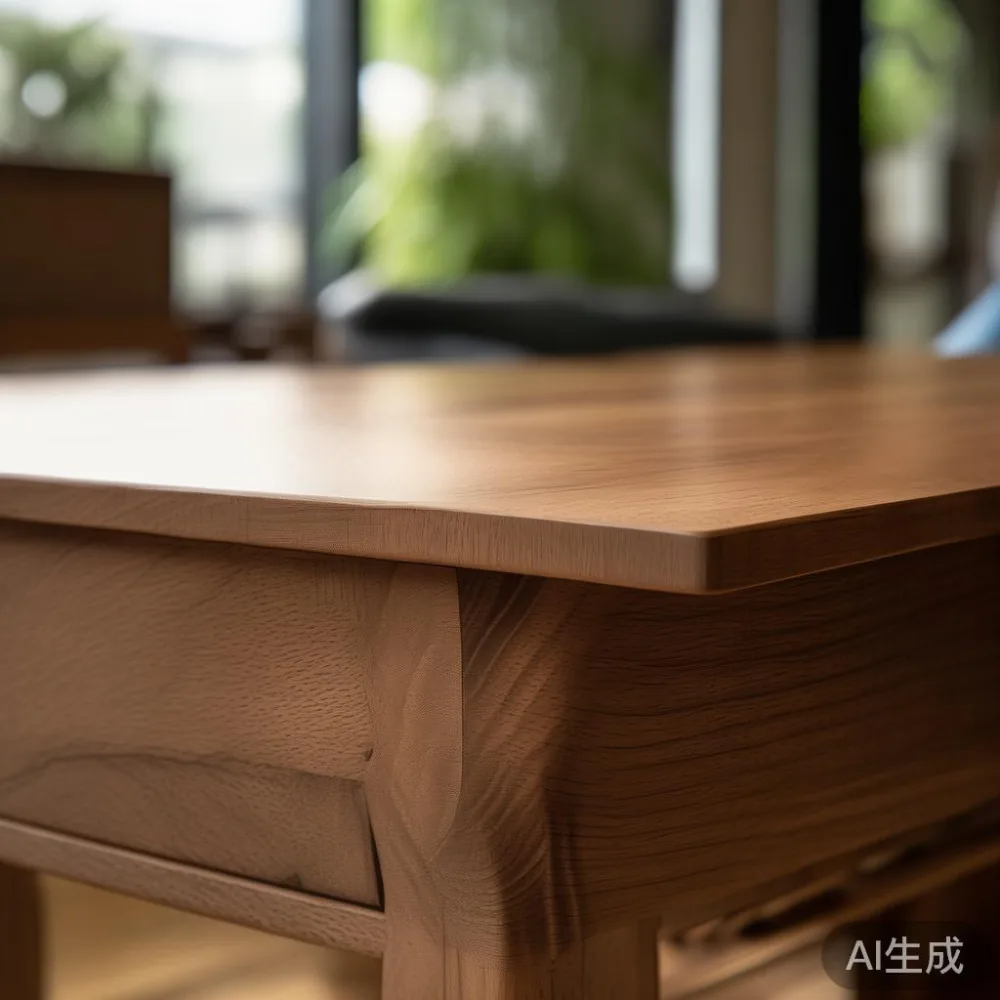
MIDHILL, a Foshan manufacturer established in 2008 that exports to more than 15 countries, publishes a 10-year structural warranty on its solid wood ranges. Lifetime refinishing is included for many of those pieces, which is a quieter but arguably more valuable commitment: it accepts that solid wood will patina, fade, or develop small checks, and it offers a remedy that does not require a lawyer. For anyone hunting for a dining table that will still be standing in their Punggol BTO in 2035, that second clause matters more than the first.
What are the 7 warranty traps I keep seeing in HDB deliveries?
Trap 1: “Wear and tear” defined too broadly. If the warranty treats surface cracking in solid wood as wear and tear rather than as a material defect, almost nothing is covered. Look for the phrase “checks and cracks under 3 mm in width and 50 mm in length are considered natural behaviour of solid wood.” That is industry-acceptable. Anything tighter than that, and the seller is offloading risk onto you.
Trap 2: “Acts of God” used to deny humidity damage. Singapore’s climate is not an act of God; it is a known condition. A fair warranty either excludes humidity specifically (and tells you to keep pieces away from air-cons and direct sunlight) or accepts a one-time repair for warping above a stated tolerance, usually 5 mm over a 1 m span.
Trap 3: “Original packaging required” for returns. After the delivery team has assembled the bed frame in your Bedok master bedroom and taken the cardboard to the recycling bin, this clause is meaningless. Ask, in writing, whether the warranty survives unpackaged, assembled use. The answer “yes” should be on the same page as the warranty itself, not in a chatbot reply at midnight.
Trap 4: Labour billed separately. A 5-year parts-only warranty can cost you S$120 to S$280 per call-out, which quickly exceeds the original price. Confirm whether labour, transport, and GST are included. In Singapore, the 9% GST applies to the repair invoice as well, so a “free” parts replacement can still cost you real money.
Trap 5: “Transferable only to the original address.” A 10-year warranty that is locked to your Tampines flat is worth S$0 the day you move to a condo in Punggol. Ask for portability in writing.
Trap 6: Marble treated as “fragile, not covered.” A marble table top can develop micro-fissures from thermal shock (a hot pot straight from the induction hob, for example). Some sellers exclude this entirely. The fairer contracts exclude thermal shock but cover factory-set fissures and dishing above 2 mm across a 1.2 m slab.
Trap 7: Solid wood sofa cushions excluded after 6 months. Foam and fibre fill always soften; that is not a defect. A fair cushion warranty is prorated, typically 2 years on density loss above 15%, and never shorter than the structural warranty on the frame.
Where do I actually find the terms before I buy?
Three places, in this order: the product page, the FAQ, and the standalone warranty PDF linked from the footer. If a brand hides the warranty behind a “request a quote” wall, assume the worst. MIDHILL furniture documentation, by contrast, lists the 10-year structural coverage, lifetime refinishing, and 14-day return window directly on the product page, which makes comparison shopping a 10-minute exercise rather than a 10-email exchange.
For light-luxury buyers — French light luxury, American light luxury, or post-modern light luxury — the documentation step is where you separate the real workshop from the dropshipper. A French provincial accent chair with hand-carved detailing, a marble table with a book-matched veneer, a solid wood dining table with through-tenoned aprons: these are crafts that need a paper trail. If the brand cannot show you the kiln-drying schedule, the joinery method, and the finish type, the warranty is decorative.
One more practical point for anyone weighing a European bed vs Japandi bed: the European frame tends to use more engineered components (veneered headboards, MDF accents, slatted bases with metal centre bars), so the warranty should explicitly split “solid wood components” from “engineered components.” A Japandi bed, which leans closer to all-timber construction, often comes with a longer structural clause because there is less glued substrate to fail. Read both pages side by side before you commit.
Does shipping and installation change what the warranty protects?
Yes, more than most buyers expect. Free shipping over a stated threshold (for MIDHILL, that is US$350, which works out to roughly S$470) usually covers doorstep delivery to the lift landing. Staircase carries, balcony hoists, and inside-room placement are typically quoted separately in Singapore, and the moment a mover damages a solid wood dining table leg on a 12-step HDB staircase, the question becomes whose policy applies. The mover’s? The seller’s? Yours?
The clean contracts state that risk passes to the buyer only when the piece is signed for at the final indoor location. Anything earlier — at the corridor, at the lift, on the lorry — keeps the seller liable. Ask for that line in writing, especially if you live above the 7th floor, where lift removals in older HDB blocks can require a 15-metre carry from the lift to your door.
For apartment dwellers specifically, a note on light luxury for apartment layouts: the corridors in newer condos in Punggol and Sengkang are usually 1.5 m wide, which is comfortable. Older walk-ups in Geylang or Tiong Bahru can drop to 0.9 m, and that is where a 2.6 m wardrobe simply will not fit without a disassembly step the warranty must permit in advance.
What should I ask the salesperson before I sign?
Five questions, every time, on every piece. First, what is the structural warranty in years, and which components does it name? Second, what is excluded as “natural behaviour of solid wood,” and what is the exact measurement threshold? Third, is labour and transport included, and is GST added on top? Fourth, is the warranty portable if I move within Singapore, and what is the re-registration process? Fifth, what is the refinishing offer, and what does it cost after the first free service?
Then one last question that catches nearly every brand off-guard: “Can you show me a recent warranty claim you honoured?” A real workshop will have paperwork, photos, and a name. A reseller will pivot to the FAQ.
Where to buy dining table from MIDHILL without tripping on the fine print?
Start on the product page and read the warranty block before you read the price. The dining table collection will show the 10-year structural coverage, the lifetime refinishing option, and the 14-day return window in the same panel as the dimensions. For a 6-seater solid wood dining table measuring 1.8 m × 0.9 m, expect landed pricing in Singapore between S$1,850 and S$2,950 after the US$350 free-shipping threshold, currency conversion, and 9% GST. Compare that with the typical Singapore boutique markup of 1.8× to 2.4× on equivalent European oak pieces, and the case for buying direct from an established factory becomes arithmetic rather than marketing.
The same principle applies when you shop a light luxury coffee table, a European sofa vs Mid-century modern sofa decision, or a wardrobe. Warranty, then dimensions, then price, then finishes. Reversing the order is how homeowners end up with a 2.4 m bed frame they cannot lift to the 14th floor and a 1-year parts-only promise they cannot enforce.
Final checklist before the delivery van arrives
Print the warranty. Screenshot the product page on the day of delivery. Photograph the piece at the door, in the lift, and in its final position. Keep the delivery note. Singapore’s Small Claims Tribunal hears disputes up to S$20,000, but the magistrate will want evidence taken at the point of delivery, not a photo you found on the brand’s Instagram.
A warranty is not a promise that nothing will go wrong. It is a contract that says, in advance, who pays when something does. The seven traps above, the five questions, and the two numbers — 10 years and US$350 — are the shortest path through that contract. Read them once, and the next piece of solid wood furniture you bring into your HDB or condo will arrive with paperwork as solid as the timber itself.