The Singaporean's Guide to Lacquered Solid Wood Furniture Care
For residents of Singapore, from the compact HDB flats in Tampines to the spacious condominiums in Punggol, the home is a sanctuary. It's a space where personal style meets comfort, and solid wood furniture plays a central role in creating an atmosphere of warmth and sophistication. A beautifully crafted lacquered dining table or a sleek solid wood sofa can improves a living room, but the island's unique climate presents a distinct set of challenges. The constant high humidity and fluctuating temperatures can test even the finest furniture finishes. This guide provides practical, detailed advice on how to maintain the stunning appearance of your lacquered solid wood pieces, ensuring they remain a source of pride for years to come.
Understanding Your Lacquered Finish
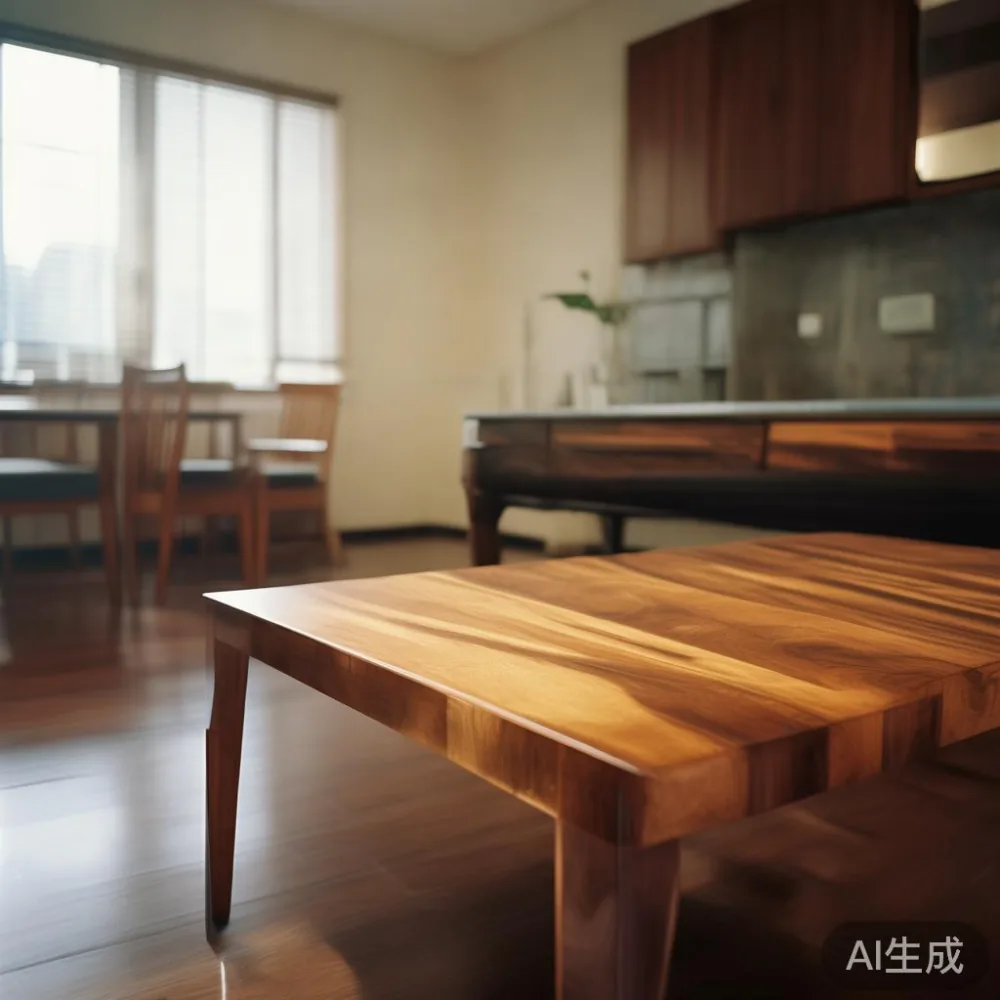
Before diving into care routines, it's helpful to understand what you're working with. A lacquered finish, often referred to as a high-gloss or PU (polyurethane) finish, is a durable, clear coating applied over the solid wood. This finish creates a hard, protective layer that is highly resistant to scratches, stains, and general wear. It provides that signature deep, reflective shine that is so desirable in light luxury aesthetics, whether it's the clean lines of American light luxury or the ornate elegance of French provincial.
The quality of this finish is paramount. A high-quality lacquer, like the one applied to every solid wood piece from established makers, forms a molecular bond with the wood. This is not a simple varnish that sits on the surface; it becomes part of the furniture. This is why a product can come with a 10-year structural warranty and a lifetime refinishing promise. The finish protects the wood from moisture, but it can be damaged by improper cleaning, excessive heat, or sudden environmental changes. Understanding this helps you appreciate why specific care methods are necessary.
Why Singapore's Humidity is a Factor for Your Solid Wood Furniture
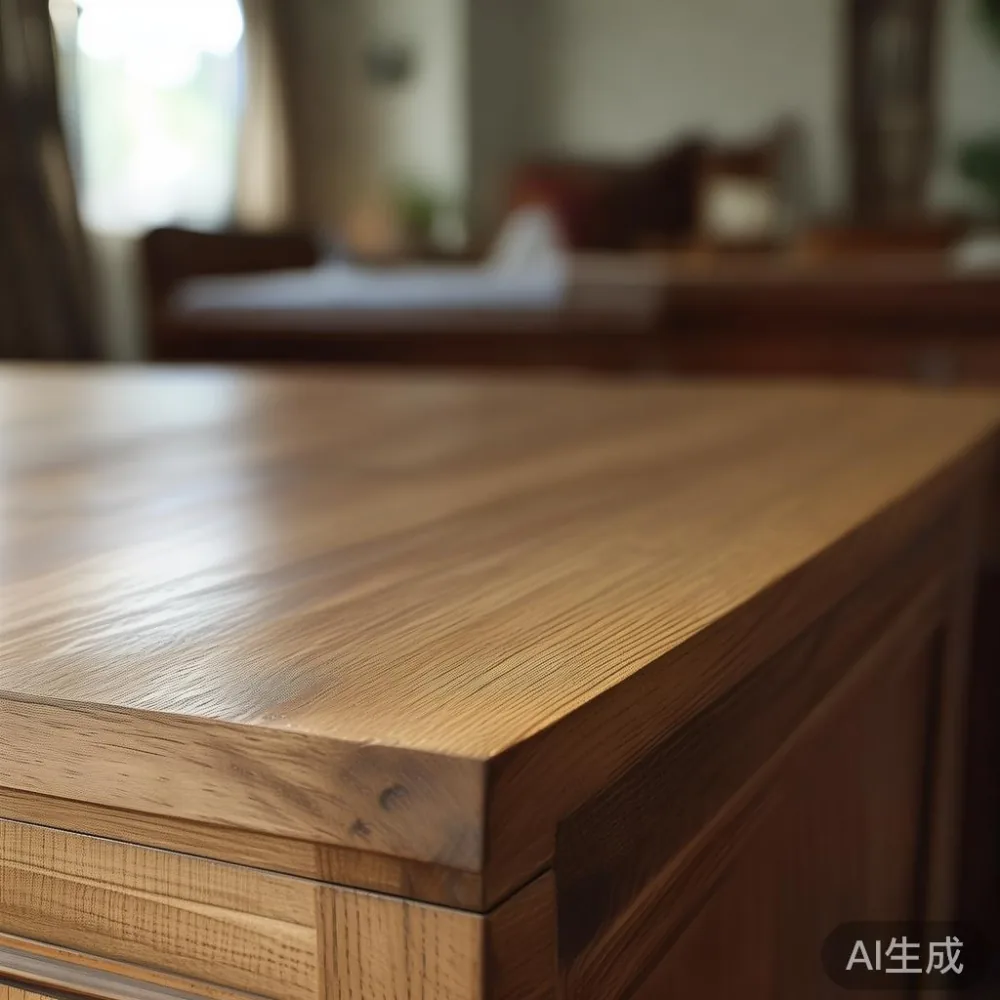
Singapore's tropical climate is defined by high relative humidity, often hovering between 70% and 90%, especially during the monsoon seasons. This constant moisture in the air is the primary enemy of natural wood. Wood is a hygroscopic material, meaning it absorbs and releases moisture from the air. In a humid environment, wood absorbs moisture, causing it to expand. Conversely, in a drier environment, it contracts.
For a piece of solid wood furniture, this constant cycle of expansion and contraction can lead to several issues. The most common is the formation of small cracks or checks on the surface. While a thick, well-applied lacquer finish can mitigate this, it cannot prevent it entirely. The finish itself can also be affected. In extreme cases of high humidity, moisture can get trapped under the lacquer, leading to a cloudy appearance or even causing the finish to peel away from the wood surface. This is why controlling the micro-environment around your furniture is a key part of its care. Placing a solid wood bed frame directly against an exterior wall that gets damp from rain is a recipe for trouble, as is storing a wardrobe in a windowless bathroom.
Can I Use Regular Furniture Polish on My Lacquered Surface?
This is one of the most common questions we receive from new customers, and the answer is a firm no. Standard furniture polishes, particularly those containing silicone or wax, are unsuitable for modern lacquered finishes. These products create a temporary, oily shine that can build up over time, leaving a dull film on the surface. This film can attract dust more readily and, more importantly, it interferes with the finish's ability to breathe. The trapped moisture can lead to the problems mentioned earlier.
Instead, you should use products specifically designed for lacquered, high-gloss, or polyurethane-finished surfaces. These are typically pH-neutral cleaners that gently lift dirt and grime without stripping the protective layer. For daily dusting, a soft, lint-free microfiber cloth is your best friend. It effectively captures dust particles without scratching the delicate surface. For light cleaning, a damp cloth followed immediately by a dry one is all that's usually needed. Remember, the goal is to clean, not to strip. Avoid abrasive sponges, scouring pads, or harsh chemical cleaners at all costs, as they will permanently mar the finish.
Preventative Measures: The Best Care is No Care
The most effective way to care for your lacquered solid wood furniture is to prevent damage before it happens. This involves a few simple habits that can make a significant difference in the longevity of your pieces. The first and most important rule is to always use coasters. A water ring left on a lacquered surface may seem harmless, but the moisture can penetrate the finish over time, causing a permanent white stain. Use coasters under glasses, mugs, and vases. Similarly, use placemats and hot pads under serving dishes on your dining table to protect against heat and moisture.
Positioning is another critical preventative measure. Avoid placing your solid wood sofa or dining table in direct sunlight for prolonged periods. UV rays can cause the lacquer to fade and become brittle over time. If you have a large piece like a European light luxury TV console near a window, consider using UV-protective window film. Also, be mindful of heat sources. Do not place a hot lamp, a radiator, or even a television that generates significant heat directly on a wooden surface or stand. The intense, localized heat can create a bubble in the lacquer. Finally, maintain a consistent room temperature and humidity level where possible. Using a dehumidifier during the wettest months can be beneficial, especially in enclosed spaces like walk-in wardrobes.
Addressing Common Problems: Stains, Scratches, and Humidity Spots
Despite your best efforts, accidents can happen. If you find a water ring or a white spot on your lacquered surface, don't panic. For a fresh, damp stain, immediately blot the area with a dry, soft cloth to absorb as much moisture as possible. For a white, cloudy spot (which is often moisture trapped under the finish), you can try applying a small amount of non-gel toothpaste to a soft cloth and gently buffing the area in a circular motion. The mild abrasives in the toothpaste can sometimes help remove the moisture haze. Wipe the area clean with a damp cloth and then dry it thoroughly.
p>For minor scratches, a high-quality scratch repair marker or a specialized wood touch-up pen can work wonders. These products are designed to fill the scratch and blend with the finish. Test the product on an inconspicuous area first, like the inside of a drawer or on the back of a nightstand, to ensure the colour match is acceptable. For deeper scratches or more significant damage, professional repair is the best option. This is where the lifetime refinishing promise from reputable manufacturers becomes invaluable. A professional can sand the damaged area and re-apply the lacquer, restoring the piece to its original condition.Real-World Experience: A Wardrobe in a Bedok Condo
Last month, I visited a client in her Bedok condominium to assess a stunning French provincial wardrobe she had purchased. The unit was beautiful, but she was concerned about some faint, hazy marks on the doors. Upon inspection, it was clear the issue was condensation. Her walk-in wardrobe, while large, had no ventilation. The air was stagnant, and the moisture from her clothes was getting trapped, creating a humid microclimate inside. The lacquer on the wardrobe doors was reacting to this trapped moisture.
We recommended two simple solutions. First, we suggested she install a small, low-profile dehumidifier inside the wardrobe to run for a few hours each day. Second, we advised her to leave the wardrobe doors slightly ajar when not in use to allow air to circulate. She also asked about the question, how to style French provincial wardrobe in room. We discussed using it as a statement piece with a marble table top for a dressing area, and complementing it with soft, textured linens to balance the ornate details of the wardrobe. A month later, she reported the hazy marks had disappeared and the wardrobe looked as brilliant as the day it was delivered. This experience highlighted that even in a modern condo, specific environmental controls are necessary for solid wood furniture.
Styling Tips for Your Lacquered Furniture
Caring for your furniture isn't just about maintenance; it's also about creating a harmonious living space. A lacquered finish offers a fantastic opportunity to play with contrasts and textures. For instance, a high-gloss solid wood dining table can be paired with chairs made of matte leather or natural rattan to create a dynamic and visually interesting setup. This minimalist approach for dining room spaces focuses on clean lines and material contrast rather than excessive ornamentation.
When styling a bedroom, consider the interplay between your solid wood bed frame and other pieces. A sleek, modern bed frame can be grounded by a plush, textured rug. For storage, a European light luxury nightstand with a polished finish can add a touch of glamour, while a more rustic solid wood wardrobe can anchor the space. The key is balance. If you have a large, statement piece like a dark lacquered wardrobe, balance it with lighter elements on the walls and in the textiles. The question of is Mid-century modern sofa worth it often depends on the room design; its clean, tapered legs and low profile can beautifully complement a heavier, more ornate lacquered coffee table.
Long-Term Protection and Warranty Considerations
Investing in high-quality solid wood furniture is a significant decision, and understanding the long-term protection available is part of responsible ownership. Reputable brands, like those with a 14-year history of exporting to over 15 countries, often provide comprehensive warranties. A 10-year structural warranty covers the integrity of the wood and the construction, protecting against defects like warping or joint failure. A lifetime refinishing warranty is even more valuable for a lacquered finish, as it promises the manufacturer will restore the original shine if the finish ever fails due to material defects.
p>When making a purchase, always clarify what the warranty covers and what it excludes. Most warranties do not cover damage from accidents, improper care, or environmental factors that are extreme. For example, if you place a piece of furniture in an unventilated bathroom and it warps, the warranty would likely not apply. This is why the preventative measures discussed earlier are so important. They are not just good practice; they are a condition of keeping your warranty valid. Always retain your proof of purchase, and for deliveries over SGD 350, take advantage of the complimentary shipping service to avoid any potential transit damage. Remember, a warranty is a promise, and choosing a maker that stands behind its product with a decade-long structural guarantee provides peace of mind in the humid Singaporean climate.