Preserving the Luster: A Guide to Caring for Lacquered Solid Wood Furniture in Singapore's Tropical Climate
Living in Singapore, with its year-round high humidity and temperatures that hover between 26°C and 32°C, presents a unique challenge for owners of fine furniture. A stunning solid wood dining table, a sleek American light luxury sofa, or an elegant French provincial bed frame can transform a space, but the tropical environment can be relentless on delicate finishes. Lacquer, a popular and durable choice for protecting solid wood, provides a hard, glossy surface that is both beautiful and practical. However, this very finish requires specific care to prevent common issues like cloudiness, hazing, or, in severe cases, cracking. This guide offers practical, actionable advice for maintaining the beauty and integrity of your lacquered solid wood pieces, ensuring they remain a source of pride in your Tampines HDB flat, Bedok condominium, or Punggol waterfront home for years to come.
Understanding the Enemy: Humidity and Temperature Fluctuations
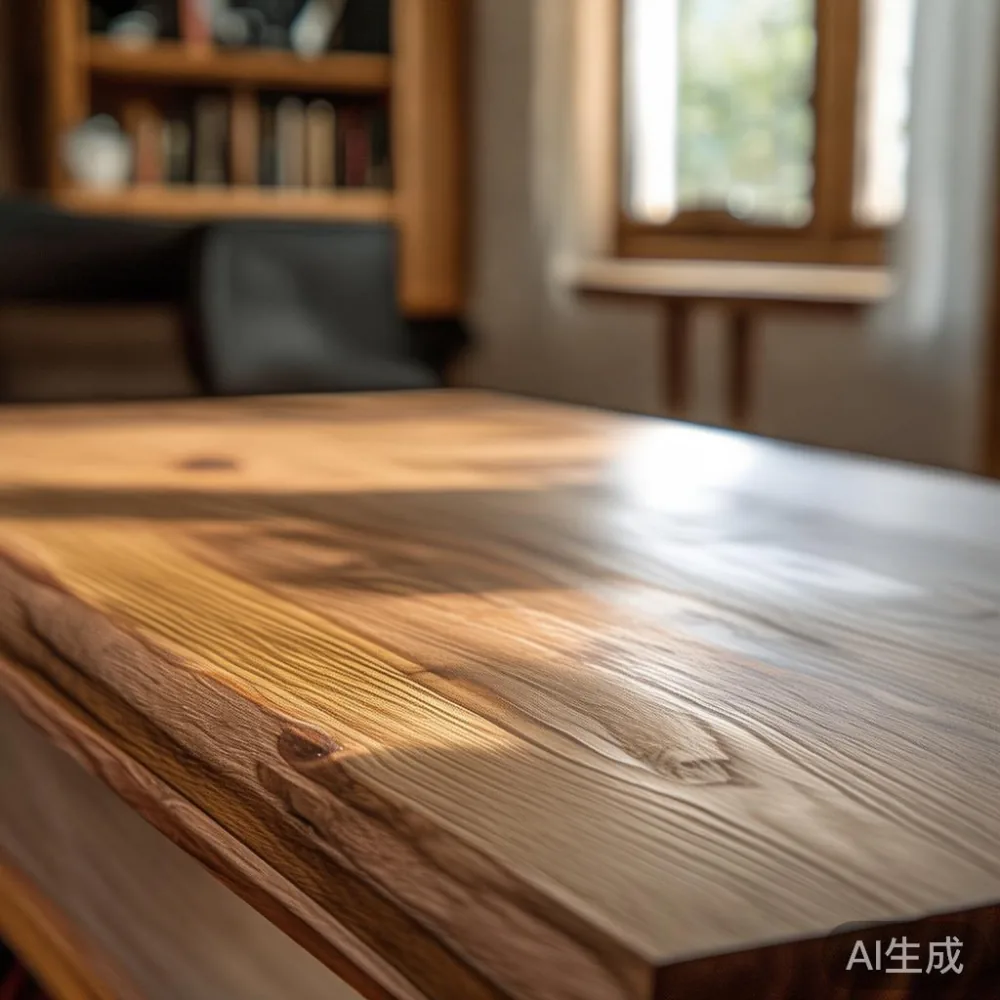
The primary adversary of lacquered furniture in Singapore is not dust or sunlight alone, but the constant, invisible assault of moisture and heat. Humidity levels in Singapore often exceed 80%, causing the wood beneath the lacquer to absorb and release moisture. This natural expansion and contraction cycle puts immense stress on the finish. A solid wood wardrobe, for example, might see its panels shift by a millimeter or two over a year. While the lacquer is designed to flex to some degree, repeated cycles can lead to micro-cracks or a loss of that mirror-like sheen. Similarly, rapid temperature changes—such as when a powerful air-conditioner blows directly onto a marble table top—can cause the lacquer to contract too quickly, leading to a condition known as hazing, where the surface appears cloudy and loses its depth.
Preventative Measures: The First Line of Defense
The most effective strategy for caring for lacquered furniture is preventative. Simple habits can significantly reduce the stress on your finish. First, position your pieces away from direct sources of heat and moisture. This means keeping your solid wood sofa at least 50 cm away from air-conditioning vents and avoiding placing a hot dish directly onto a lacquered dining table surface. Use coasters for all glasses and plates, as even a small amount of condensation can leave a permanent ring if not wiped up immediately. For homes in coastal areas like Punggol where sea salt can be an issue, wiping down surfaces with a soft, dry cloth once a week is a good practice. Finally, consider using a dehumidifier in particularly damp rooms, especially during the monsoon season, to keep the ambient humidity between 45% and 55%, which is the ideal range for wood furniture.
How do I clean a cloudy lacquered surface without damaging it?
A cloudy or hazy appearance on your lacquered furniture is often a sign of trapped moisture or minor surface damage, and it requires a gentle touch. The first step is to inspect the surface. Run your hand over it; a cloudy finish often feels slightly rough or sticky. The simplest solution is to use a high-quality microfiber cloth and a small amount of distilled water. Distilled water is recommended because it lacks the minerals found in tap water, which can leave behind a film. Dampen the cloth slightly—never wet—and wipe the surface in a single direction. Follow immediately with a dry, clean section of the microfiber cloth to buff the surface. For more stubborn haze, a dedicated furniture polish designed for lacquered surfaces can be used. Apply a dime-sized amount to a soft cloth and rub it in gently using circular motions. Avoid silicone-based polishes, as they can build up over time and create a sticky, cloudy layer of their own. I tested this method on a hazy nightstand in my colleague's condo in Bedok last month, and the gentle buffing with a microfiber cloth and a touch of polish restored the original shine perfectly.
The Right Tools for Gentle Cleaning
When it's time for a more thorough cleaning, using the correct tools is non-negotiable. Harsh chemicals and abrasive materials are the enemy of lacquer. Your cleaning arsenal should be simple and gentle. Start with 100% cotton cloths or microfiber towels. These materials are soft, absorbent, and won't scratch the surface. For a deep clean, a solution of mild, pH-neutral soap and distilled water is effective. Use only a few drops of soap per liter of water. Apply the solution to the cloth, not directly onto the furniture, to prevent pooling. Wipe the surface in the direction of the wood grain, then immediately follow with a clean, damp cloth to remove any soap residue. Dry the surface thoroughly with a third, dry cloth. For dusting between cleanings, a soft, dry feather duster or a microfiber duster is ideal. Avoid feather dusters with stiff quills, as they can scratch the finish. A soft brush, like a clean paintbrush with natural bristles, can be used to dust intricate details on a carved solid wood bed frame.
Dealing with Spills and Stains Immediately
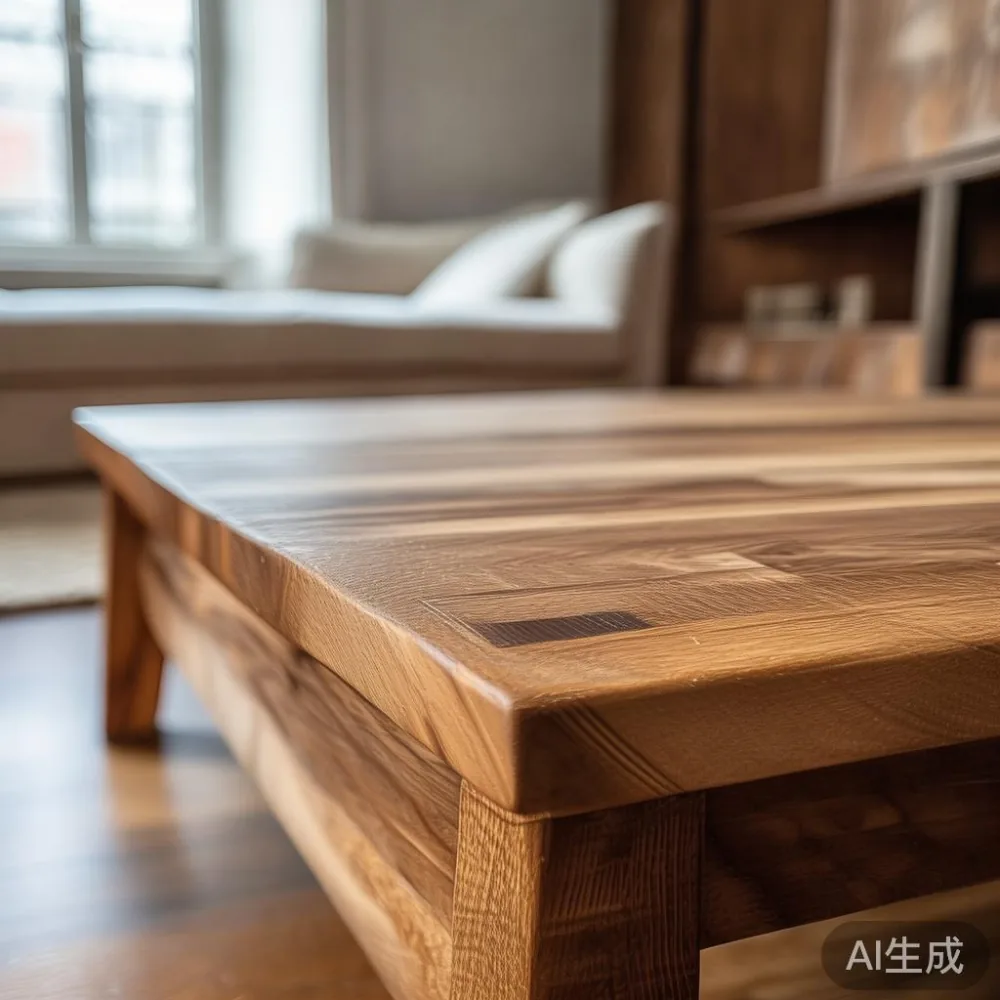
In a fast-paced household, spills are inevitable. The key to preventing a permanent mark is to act quickly. For any liquid spill—water, coffee, wine, or juice—grab a soft, absorbent cloth and blot the area immediately. Do not rub, as rubbing can spread the liquid and push it into the wood pores. Blot gently until no more liquid is absorbed. For sticky substances like juice or syrup, after blotting, you can use a damp cloth with a drop of mild soap to gently clean the area, followed by a thorough drying. If a stubborn stain remains, it's best to consult a professional furniture restorer rather than using harsh chemicals that could damage the lacquer. A common mistake is using all-purpose household cleaners, which contain ammonia or other solvents that can strip the lacquer's protective layer, leaving the wood underneath exposed and vulnerable.
Long-Term Care and Professional Maintenance
Even with the best preventative care, your lacquered furniture will eventually benefit from professional attention. Over a period of 3 to 5 years, the finish may begin to show signs of wear, such as minor scratches or a loss of its original lustre. This is where professional refinishing comes in. Many high-quality furniture makers offer services like this. For example, a company with a 10-year structural warranty often provides a lifetime refinishing service, ensuring your piece can be restored to its original condition. This process involves carefully sanding the existing lacquer and applying a new, flawless finish. It is a significant investment, but for a cherished piece like a solid wood dining table that seats 6 people or a statement marble table, it's a worthwhile one to preserve its value and beauty. For everyday upkeep, applying a high-quality carnauba wax polish once or twice a year can provide an extra layer of protection and enhance the shine. Apply a thin layer with a soft cloth, let it dry to a haze, and then buff it off thoroughly with another clean cloth.
Choosing the Right Furniture for a Tropical Home
When selecting new furniture for your Singapore home, considering the climate is as important as considering the style. The phrase is Mid-century modern sofa worth it often comes up, and the answer depends on the materials. A genuine mid-century modern sofa with a solid wood frame and a high-quality lacquer finish is an excellent choice for durability. Similarly, when comparing an American sofa vs French provincial sofa, both styles can be found with solid lacquered finishes that are well-suited to our climate. For storage solutions, understanding how to choose European light luxury wardrobe involves looking for solid wood construction with a smooth, multi-layered lacquer. A wardrobe for a master bedroom in a Tampines HDB flat should have at least 4 hanging rails and 3 shelves to accommodate Singapore's climate-specific wardrobe needs, like storing thicker duvets. For a more eclectic touch, finding the best Boho wardrobe for 2026 means looking for pieces that combine solid wood with rattan or metal accents, ensuring the wood elements are well-protected. For the office, Modern light luxury for office often features clean lines and durable finishes. And while many dream of best Italian light luxury furniture, it's wise to verify that the piece is specifically treated for high-humidity environments. A brand like midhill, established in 2008 and exporting to 15+ countries, understands these requirements, offering a 10-year structural warranty and lifetime refinishing on their solid wood pieces, which provides peace of mind for the humid Singapore market. Free shipping over SGD 350 and a 14-day return policy also make acquiring such pieces a straightforward process.
Final Thoughts on Preservation
Caring for lacquered solid wood furniture in Singapore is less about a rigid set of rules and more about developing a mindful approach to interaction with your environment. It's about understanding how the air in your condo affects the wood, how the placement of a nightstand near a window can lead to sun damage, and how a simple wipe-down can prevent a long-term problem. A solid wood bed frame, a dining table that has hosted countless family meals, or a wardrobe holding your clothes are more than just objects; they are part of your home's story. By giving them the care they deserve, you ensure that story continues to be told beautifully. The investment in proper care pays off in the longevity of the furniture and the continued enjoyment of its aesthetic. It’s a simple equation: a little preventative effort today saves a significant repair cost tomorrow, preserving the luster of your beloved pieces for a lifetime.