Caring for a Lacquered Solid Wood Surface in Singapore’s Tropical Climate
Lacquer can give a solid wood dining table, bed frame, wardrobe, or nightstand a calm, reflective finish, but Singapore’s humidity, heat, condensation, and strong daylight make careful maintenance more than optional. In a Tampines HDB flat, a Bedok condo, or a Punggol home with wide corridor doors and shared lifts, furniture is often moved through tight access routes before it reaches an air-conditioned living room. The finish must survive both the journey and years of tropical use.
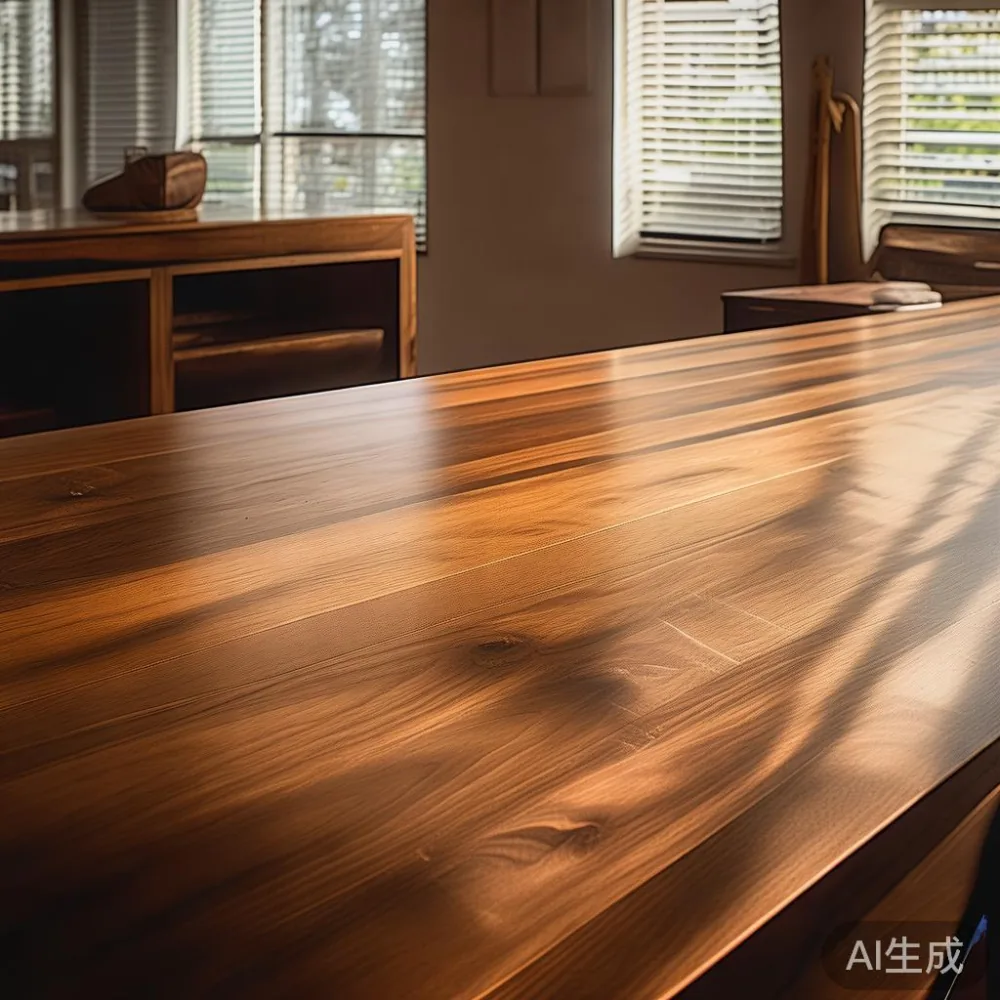
At MIDHILL, our lacquered solid wood collections combine the warmth of timber with the clean lines associated with French light luxury, American light luxury, and post-modern light luxury. Good care does not require specialist equipment or a complicated routine. It requires a few measured habits, the correct products, and attention to small problems before they become visible damage.
Why tropical humidity changes lacquer care
Singapore’s climate can keep relative humidity high for much of the year. Lacquer is less permeable than bare oil or wax finishes, but the wood beneath it still responds to changes in moisture. A dining table placed near an open balcony, a bed frame beside a frequently opened window, or a wardrobe close to an air-conditioning unit can experience alternating expansion and contraction.
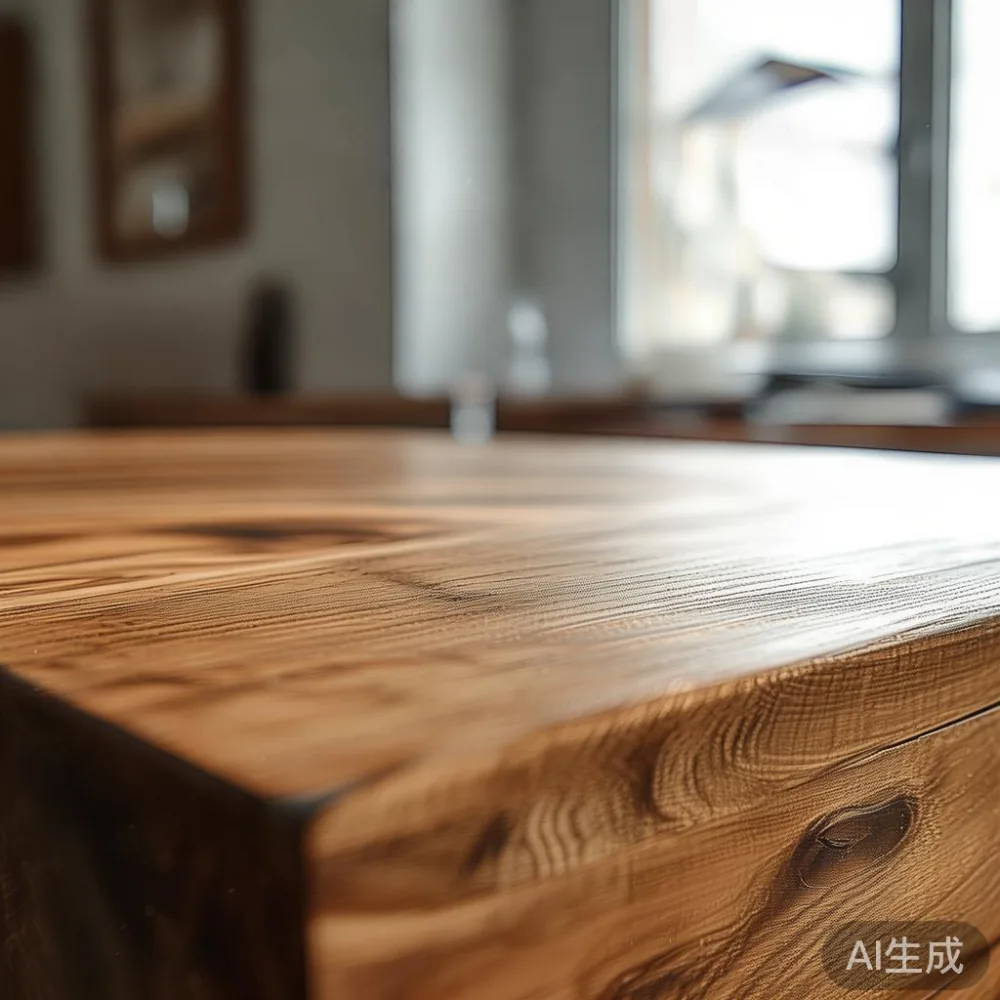
Give lacquered furniture at least 60 cm of clearance from windows with direct sun, at least 30 cm from wall-mounted air-conditioners, and 15 cm from floor vents where possible. This spacing reduces rapid moisture changes without blocking normal circulation. Check the surface at noon and again after rain. If condensation collects, remove it promptly with a soft cloth rather than allowing it to dry on its own.
For a precise local test, use a small digital hygrometer near the furniture rather than relying on a building-wide reading. Aim to avoid prolonged exposure above 75% relative humidity, especially overnight. Air-conditioning helps, but aiming a cold stream directly at a lacquered wardrobe or solid wood sofa can create another problem: excessive drying, condensation on nearby walls, and repeated surface temperature swings.
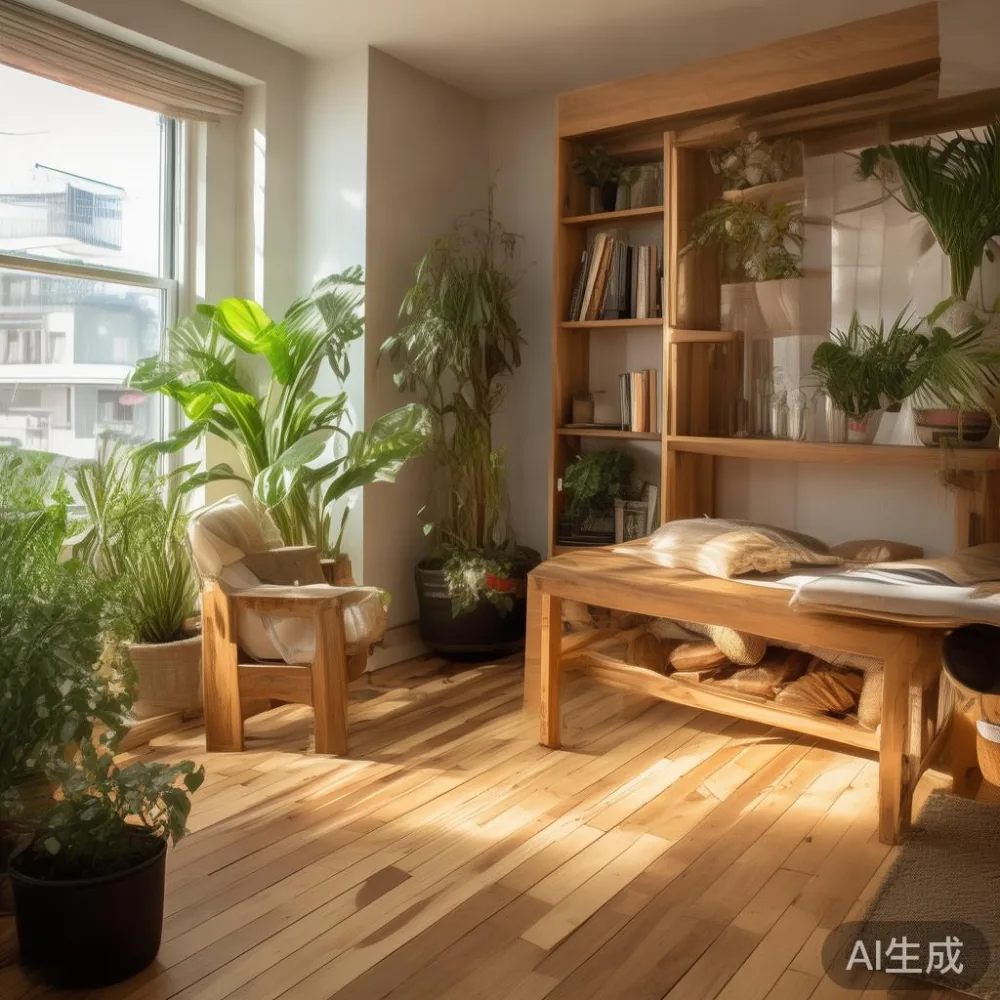
What should I use to clean a lacquered surface?
A soft, lint-free cotton or microfibre cloth is enough for routine wiping. Dilute a small amount of mild dish detergent in 1 litre of lukewarm water, using roughly 1 teaspoon for the first test patch. The cloth should be damp, not dripping. Wipe in the direction of the grain, then use a second dry cloth to remove residue.
On my last visit to a client’s Bedok apartment, I tested three common household methods on a spare lacquered sample panel. One drop of diluted detergent lifted dust and light marks without dulling the finish. A lightly damp cloth with a little baking soda also worked on a small patch, although the gritty residue required more buffing. A silicone-based spray left a visible haze after 10 minutes and was difficult to remove.
That test is why I now keep silicone, ammonia, alcohol, furniture polish, and abrasive cream away from lacquered solid wood. Strong solvents can soften or stain the coating, while abrasive particles can create fine scratches that catch light. Test every cleaner on a hidden 10 cm × 10 cm area and wait 24 hours before treating the full surface.
Spills deserve immediate attention. Blot water, juice, tea, and coffee with a dry cloth; do not rub. For grease, use the diluted detergent method. Never place a hot bowl, wet vase, or cold glass directly on the finish. Use a trivet with at least 2 cm clearance, coasters with a minimum diameter of 8 cm, and felt pads beneath décor. A marble table may scratch a lacquered top when grit is trapped underneath, so lift it rather than slide it.
How often should lacquered furniture be maintained?
Light dusting once a week is suitable for most occupied homes. Damp cleaning every 2 to 4 weeks is enough for a dining table in a family home; reduce this to every 4 to 8 weeks for a rarely used wardrobe or nightstand. During periods of persistent haze or construction dust, clean twice weekly and keep windows closed when outdoor conditions are poor.
Do not apply oil, wax, lemon oil, or furniture polish to a lacquered surface unless the lacquer manufacturer specifically permits it. These products can leave oily patches, alter the sheen, and make future cleaning less predictable. For a solid wood sofa with lacquered legs, vacuum the upholstery separately and lift each leg when cleaning beneath it.
Inspect joints and edges every 3 months. Look for whitening, lifting, blistering, or a dull ring around a handle. At MIDHILL, the 10-year structural warranty addresses the construction of qualifying products, while our lifetime refinishing service covers eligible refinishing work according to the applicable terms. Surface-care accidents are not the same as structural failure, so photographs, care records, and prompt reporting help the team assess the correct remedy.
How can I prevent scratches, swelling, and colour changes?
Place furniture where it is not exposed to repeated contact. A bed frame should be moved rather than dragged, even across carpet, because grit can catch beneath a leg. A solid wood sofa should not be pushed against a corridor wall during delivery, and a wardrobe should be carried on edge if its instructions permit rather than dragged on its base.
Singapore access planning matters before delivery day. Record lift door dimensions, turning radii, corridor widths, and staircase clearances. A 180 cm lift with a 160 cm opening can accept a disassembled wardrobe panel, but a solid wood dining table may need its top separated from its base. MIDHILL can discuss delivery in SGD, with delivery times normally confirmed in 3 to 7 working days, subject to stock and location. Orders over US$350 qualify for free shipping under the current offer, and returns are accepted within 14 days when the stated eligibility conditions are met.
For UV exposure, keep curtains or blinds closed during the strongest daylight hours, roughly 11 a.m. to 3 p.m. Check a lacquered finish every 6 months for fading. Warm yellowing can be difficult to reverse, whereas early surface marks may be treated more effectively. Avoid placing a bed frame directly under a window that receives more than 2 hours of direct sun.
Should I repair chips and bubbles myself?
Small chips can be tempting to touch up, but colour matching depends on the lacquer formulation, sheen level, and age of the finish. A household marker or nail-polish bottle can make a fresh repair conspicuous under close lighting. Photograph the area from 3 distances, including a 20 cm close-up, and contact the maker before applying a product.
Do not press down on bubbles. If the coating has separated from the wood, this usually indicates moisture movement beneath the lacquer. Keep the area dry, improve the surrounding humidity, and seek professional assessment. If a wardrobe has one swollen panel while the rest remains stable, do not force the doors shut; unloading the interior by 10 to 15 kg may reduce pressure while the finish is assessed.
For matching furniture within one home, retain a spare finish sample or a 5 cm × 5 cm piece cut from an inconspicuous underside, if available. Store it flat, away from light and humidity. This reference can help a repairer compare colour and sheen in Singapore’s variable lighting.
How do I care for a lacquered wardrobe, bed frame, and dining table?
For a wardrobe, inspect the top edge and bottom corners where moisture can collect. Keep floor-standing units at least 5 cm away from external walls in humid rooms, and avoid storing damp laundry inside. Clean the interior with the same mild detergent solution, then dry the doors and rails with a separate cloth.
For a bed frame, lift the mattress and vacuum the frame every 3 months. Check that the headboard is not touching a cold window or air-conditioning outlet. If you are considering under 2000 Rustic furniture, note that rustic solid wood often has more pronounced grain, knots, and texture than a smooth lacquered panel; it still needs the same controlled moisture and cleaning discipline.
For a dining table, clean after each meal and use a stable placemat at every seat. Leave a hot vessel on a trivet rather than the bare lacquer. If the table has a marble table top or marble accent, lift it when moving the base. When planning an Italian light luxury coffee table in a compact condo, allow circulation space of at least 75 cm around it and keep coasters beneath every cup.
A nightstand needs a different habit: remove coasters and chargers before wiping, and check the wall behind it for hidden dampness. For apartment bedrooms, position it at least 20 cm from a condensation-prone window. This practical approach supports modern Modern light luxury furniture, where polished surfaces are expected to remain visually calm.
What is the best way to style a French provincial bed in an apartment?
When searching for how to style French provincial bed in apartment ideas, control the surrounding volume before adding decoration. A queen-size bed measures about 150 cm × 200 cm in most Singapore layouts, leaving roughly 60 cm on each side of a 270 cm-wide room. Measure the actual mattress and frame because upholstered frames can add 8 cm to 12 cm per side.
Use 2 lightweight bedside tables or one narrow floating shelf rather than bulky cabinets. Keep the lacquered nightstand surface mostly clear: one lamp, one coaster, and one small object are enough. Choose curtains that stop direct sun while allowing airflow, and leave a 10 cm gap between the headboard and the wall. For a different visual direction, research Japanese sofa vs Mid-century modern sofa layouts before measuring because low Japanese seating can require 90 cm of circulation space.
For an upholstered bed, search for a best Scandinavian bed for 2026 that suits HDB ceiling heights of about 2.7 m. A tall frame can feel compressed in a compact Tampines or Punggol bedroom, while a low-profile design preserves light. This phrase is a shopping lead, not a care instruction: whichever frame you choose, protect its lacquered components from impacts and humidity.
Can Singaporean light luxury furniture suit a small home without looking crowded?
Yes, if scale and finish are coordinated. Light luxury works through proportion, tactile quality, and restrained detail rather than large room volume. Choose a solid wood sofa no deeper than 95 cm for a narrow living room, keep the main route at 90 cm where possible, and select a dining table that allows 60 cm of chair pull-out space and 90 cm around the perimeter.
Buying decisions should account for Singapore GST and the total delivered cost. For example, a dining table priced at SGD 2,500 before GST becomes SGD 2,725 after 9% GST, plus any stated delivery charge. Compare the complete amount rather than the catalogue figure alone. Confirm delivery days, assembly needs, access measurements, and warranty documentation before payment.
For online enquiries, the official domain is midhill.co. A good specification should identify the timber species, dimensions in cm, net weight in kg, finish type, door and drawer clearances, and assembly requirements. Ask for those details in writing. If a lacquered wardrobe arrives with a protected acrylic panel, remove it only after checking for moisture or transport marks.
What should I do before the next monsoon period?
Create a 30-minute care routine at the start of each quarter. Dust with a soft cloth, clean reachable surfaces with the diluted detergent method, inspect lacquer edges, check humidity near windows, and confirm that air-conditioners are not blowing directly onto furniture. Use a hygrometer for 7 days and note readings beside the bed frame, dining table, wardrobe, and nightstand.
Move potted plants at least 1 metre away from lacquered surfaces. Water, wet clay, and mineral-rich soil can leave rings or cause swelling beneath a table. Keep coasters under every vessel and use felt pads beneath décor. For scratches, photograph them immediately and report them before cleaning products make assessment harder.
Most importantly, treat care as a sequence of small actions. Dust every 7 days, damp-clean every 2 to 4 weeks, inspect every 3 months, and reassess humidity every 6 months. This schedule suits Singapore homes, where polished solid wood must accommodate heat, dampness, delivery constraints, and everyday family use. With the right cloth, measured spacing, and timely support, lacquer can retain its depth and clarity for many years while the furniture continues to serve the room.