Understanding the Costs: Solid Wood Furniture's Price Factors in SG
When you walk through the showrooms of Tampines or Bedok, past the HDB corridors that are a standard 120 cm wide, the sheer variety of solid wood furniture can be overwhelming. A dining table might cost SGD 1,200, while a similar-looking one is priced at SGD 3,500. The price difference seems arbitrary, but it's not. The cost of a piece of solid wood furniture is the sum of its parts, its journey, and its promise. It's a story told in centimetres, kilograms, and years.

Why Is That Solid Wood Sofa So Expensive?
The most obvious factor in the price of any furniture is the material itself. But 'solid wood' is a broad category. A sofa frame made from rubberwood, a fast-growing and relatively soft wood common in Southeast Asia, will have a different price point than one carved from North American white oak or European walnut. The density of the wood matters. Oak is about 750 kg per cubic metre, making it heavier and more durable than rubberwood, which is around 500 kg per cubic metre. This density affects everything from the amount of raw material needed to the machine time required to shape it.
Last month, I visited a workshop in Foshan to see this process firsthand. I watched a craftsman shape a solid wood dining table top from a single slab of mango wood. The slab was 2.5 metres long and 90 cm wide. He explained that a knot or a small crack in the wood would render the entire slab unusable for a premium table, forcing him to find a new piece. This is a form of natural selection that adds to the cost. The wood must be 'select'—clear of major defects, with a straight grain, and consistent colour. A lesser grade of the same wood might have 30% more waste, but it's sold for a fraction of the price.
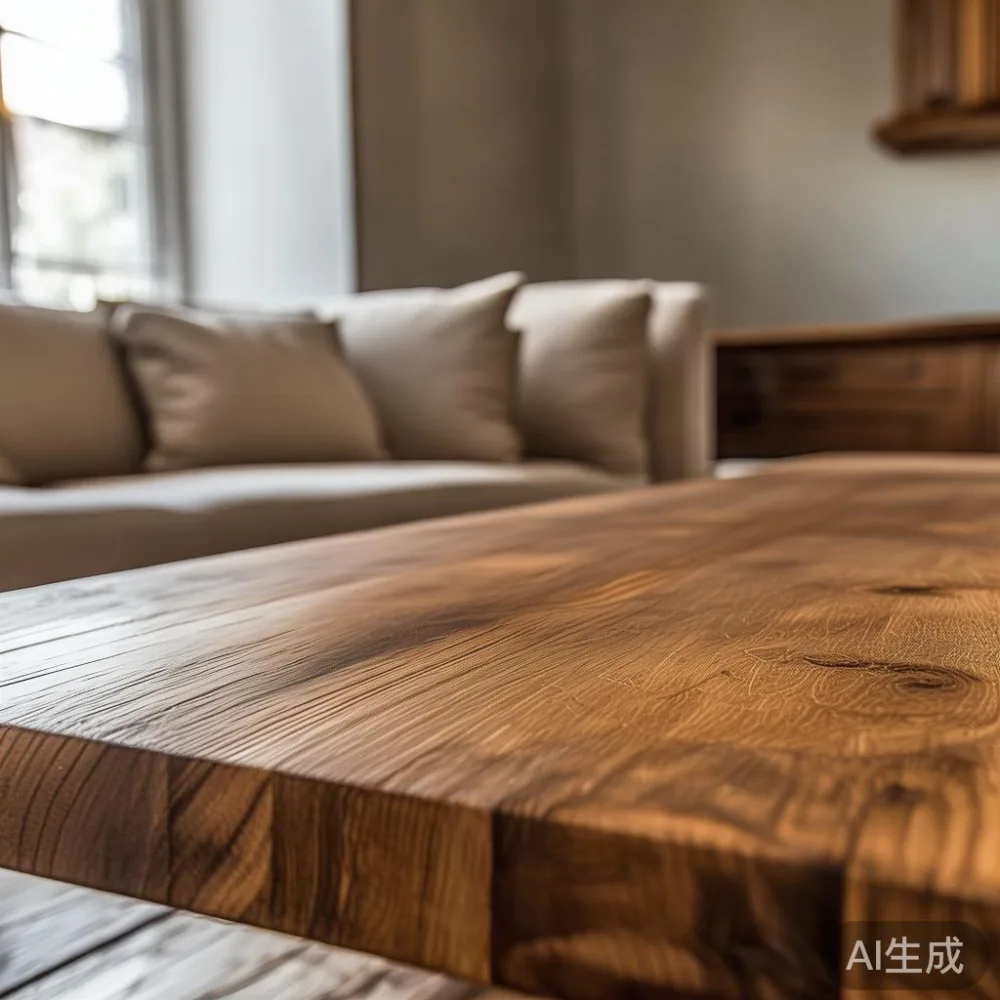
For Singaporean homes, where space is often tight, the dimensions are critical. A solid wood sofa that is 220 cm long might be perfect for a living room, but working through it through a standard HDB lift (90 cm x 150 cm) can be a challenge. The price isn't just for the wood in your living room; it's for the wood that was cut away in the factory. The yield from a log is never 100%. For a high-end American light luxury wardrobe with intricate details, a master craftsman might use only 60% of the timber from a single log, with the rest becoming sawdust or scrap. This inefficiency is built into the final price tag.
Is Craftsmanship Just a Fancy Word for Labour?
Yes and no. The cost of labour is a huge component, but 'craftsmanship' refers to the skill and time invested. A machine can cut a straight line in seconds. A skilled artisan can carve a detailed floral motif into a solid wood bed frame by hand over several days. The price reflects this difference in approach. Mass-produced furniture, often made with MDF or veneers, relies on automated processes. Each piece is identical, and the production is fast.
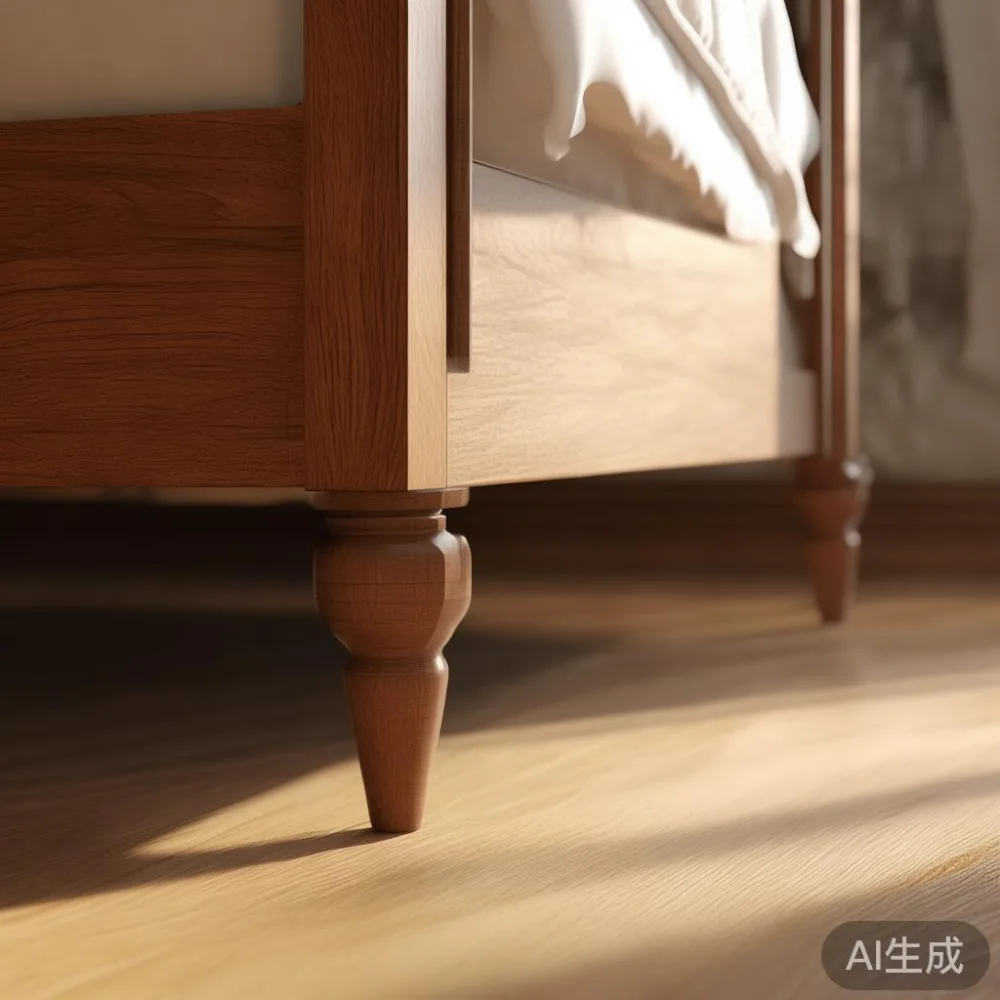
Consider the joinery. A basic table might be held together with screws and glue. A high-quality piece of solid wood furniture uses traditional joinery: dovetail joints for drawers, mortise and tenon joints for frames, and finger joints for corners. These methods are stronger, allow the wood to expand and contract with Singapore's humidity (which can swing from 60% to 90%), and require a level of precision that machines can't always replicate. The hands that assemble these pieces are not just workers; they are specialists. A master carpenter with 15 years of experience commands a higher wage than an assembly line worker, and their expertise is visible in the perfect fit of every joint.
This is where French for guest room styling comes into play. A French light luxury console table might feature delicate inlays and hand-rubbed finishes. Each hour of labour adds to the cost. The finish itself is a process. A simple lacquer might be sprayed on and cured in an oven. A hand-rubbed oil finish, which gives wood a deep, rich lustre, requires multiple coats, with the wood being lightly sanded by hand between each application. This is a time-consuming art form that cannot be rushed, and it's a key reason why two similar-looking pieces of furniture can have such different prices.
How Do Design and Origin Affect the Price?
The design of a piece of furniture is a major driver of its cost. A simple, minimalist design can be produced quickly and efficiently. A complex, post-modern light luxury design with multiple curves, angles, and integrated features requires extensive planning and prototyping. The initial design phase might involve a team of designers and engineers creating 3D models, making physical prototypes, and refining the design over weeks. This R&D cost is amortized across every piece produced, but for a limited-edition collection, the cost per unit is significantly higher.
p>Origin also plays a significant role, especially when considering local factors like GST. Furniture imported from Europe or North America comes with higher shipping costs, import duties, and of course, Singapore's 9% Goods and Services Tax. A solid wood wardrobe designed in Italy and made in Germany will have a higher landed cost than one designed and manufactured in Foshan, China, even if the quality is comparable. This is why many brands, including those with a strong presence in Singapore, manufacture in Asia. It's not about lower quality; it's about managing costs to offer a more accessible price point for the local market.The term 'light luxury' itself implies a specific aesthetic. It's about clean lines, premium materials, and a sense of understated elegance. A light luxury bed in a room is designed to be a statement piece without being overwhelming. Achieving this look often means using higher-quality veneers, more precise hardware, and more sophisticated finishes than you would find in a standard 'assembly required' piece. The design philosophy is baked into the price from the very beginning.
What About the Practical Stuff Like Delivery and Warranty?
Consumers often focus on the upfront price of the furniture, but the total cost of ownership includes delivery, assembly, and after-sales service. A cheap sofa might seem like a bargain until you factor in SGD 150 for delivery and another SGD 100 for assembly. Premium furniture brands typically bundle these services. For example, free shipping is often offered on orders over SGD 350, which is a significant value when you consider that a single solid wood dining table can weigh over 60 kg and requires a specialised vehicle for transport.
Delivery is a logistical puzzle. A wardrobe from a Foshan factory to a condominium in Punggol involves international shipping, customs clearance, local warehousing, and last-mile delivery. Each step has a cost. The furniture must be packed securely to prevent damage, often using custom foam and wooden crates. This protective packaging adds to the weight and volume, increasing shipping fees. A reputable company will absorb these costs as part of the service, ensuring the product arrives in perfect condition. A less scrupulous seller might use cheaper, inadequate packaging, leading to damage that the customer then has to deal with.
Perhaps the most telling indicator of quality and value is the warranty. A 1-year warranty is standard. A 10-year structural warranty, as offered by some established makers, is a powerful promise. It tells the customer that the company stands behind the integrity of its joinery and construction. This isn't just a piece of paper; it's a reflection of the confidence the manufacturer has in its product. A lifetime refinishing service is another key feature. Solid wood furniture can be sanded down and refinished multiple times, allowing it to be refreshed as the years go by. This extends the life of the furniture indefinitely, making it a long-term investment rather than a disposable item.
Why Are Some Pieces Priced the Way They Are?
Let's break down a real-world example: a solid wood dining table. A table from a mass-market brand might be priced at SGD 800. It's likely made from rubberwood, with a veneer top to hide cheaper materials underneath. The joinery is probably simple dowels and screws. The finish is a quick spray lacquer. It might have a 1-year warranty and require separate, costly delivery and assembly.
A premium table from a maker like MIDHILL, with a focus on solid wood construction, might be priced at SGD 3,200. The difference can be accounted for as follows:
- Material: The premium table uses North American white oak, a denser, more stable, and more visually appealing wood than rubberwood. The wood is 'select' grade, with minimal knots and a consistent grain. The cost of this high-quality timber is 4-5 times higher.
- Labour & Craftsmanship: The premium table features hand-cut dovetail joints on its extensions and mortise and tenon joints for the legs. The top is hand-planed and sanded to a perfectly smooth finish. This level of handwork adds significant labour cost.
- Design & Features: The design includes self-storing leaves, meaning the extensions are stored within the table itself, a feature that requires complex internal mechanics. The hardware is solid brass, not plated steel. The finish is a hand-rubbed oil finish, applied over multiple days, which provides a deeper, more natural look and better protection for the wood.
- Services & Warranty: The price includes free, insured white-glove delivery to any address in Singapore, including HDB flats and condos. It also includes professional assembly. Most importantly, it comes with a 10-year structural warranty and a lifetime refinishing service, ensuring the table can be a family heirloom.
This breakdown shows that the higher price isn't arbitrary; it's a direct reflection of the superior materials, skilled labour, thoughtful design, and comprehensive service that go into creating a truly high-quality piece of solid wood furniture.
What About the Price Difference Between Similar Styles?
A customer might ask, 'I see two solid wood beds that look almost identical. One is SGD 2,500, the other is SGD 4,000. Why the big difference?' The answer lies in the details that aren't immediately visible. The SGD 2,500 bed might be made from a plantation wood like acacia, while the SGD 4,000 bed is made from teak, a naturally oily and highly durable wood that is more resistant to Singapore's humid climate. The frame of the cheaper bed might be screwed together, while the more expensive one uses traditional mortise and tenon joinery for superior strength.
The drawer system in a wardrobe is another key differentiator. A basic wardrobe might have drawers on simple metal runners. A premium wardrobe, like the kind you'd find when researching how to style American wardrobe in bedroom, will feature full-extension, soft-close drawer runners. These runners allow the drawer to be pulled out completely, making it easier to access items at the back, and they close silently and gently, preventing them from slamming shut. This hardware alone can add SGD 150 to SGD 200 per drawer to the cost of the piece.
Even the 'style' has nuances. The debate of light luxury bed vs Japandi bed is a perfect example. A Japandi bed focuses on simplicity, light woods, and minimalist forms. A light luxury bed, even in a similar silhouette, will use more luxurious materials—perhaps a marble-topped nightstand, a richer finish, or more detailed metal accents. The aesthetic choices directly impact the material and hardware costs. A post-modern light luxury wardrobe might feature asymmetrical doors and mixed-material construction, which requires more complex manufacturing processes than a symmetrical, all-wood wardrobe.
So, Is Expensive Always Better?
Not necessarily. The goal is to find value that matches your needs and budget. For a young family in a 4-room HDB flat in Tampines, a durable and functional solid wood dining table might be the priority. A table with a tough, easy-to-clean finish and self-storing leaves makes sense for a busy household. The investment is in practicality and longevity.
For a couple in a Punggol condo with a more formal dining area, the priority might be aesthetics and status. A French-inspired solid wood dining table with intricate carvings and a high-gloss lacquer finish would be more appropriate. The investment here is in design and artistry.
Ultimately, the price of solid wood furniture is a reflection of the choices made during its creation. It's about the type of wood, the skill of the maker, the complexity of the design, and the commitment to customer service. When you understand these factors, you can make a more informed decision. You can look beyond the price tag and see the story of the furniture—the story of the material, the craft, and the promise of a piece that is built to last. As you browse options for the best Mid-century modern wardrobe for 2026, or seek out a Modern light luxury with storage solution, remember that you are not just buying an object; you are investing in a piece of artistry and a legacy for your home. For those looking to explore these options further, resources like midhill.co offer a glimpse into the world of thoughtfully crafted furniture.