Caring for a Lacquered Surface in a Tropical Climate: A Solid Wood Owner's Handbook for Singapore Homes
Most days in Tampines or Punggol, the humidity reading on the wall clocks between 78% and 92%. My colleague in Bedok keeps a small digital hygrometer next to her dining table, and it rarely dips below 75% even with the air-con running. That constant moisture is exactly why a lacquered solid wood dining table or wardrobe needs a different care routine here than the same piece in, say, a dry Melbourne apartment. I tested a six-month routine in my own 4-room HDB flat in the east of Singapore, and the results were clear: a weekly wipe, a careful position relative to the afternoon sun, and the right cloth make the difference between a cloud-free finish and a dull, sticky one within a single quarter.
Why Lacquer and a Tropical Climate Are Not Always Friends
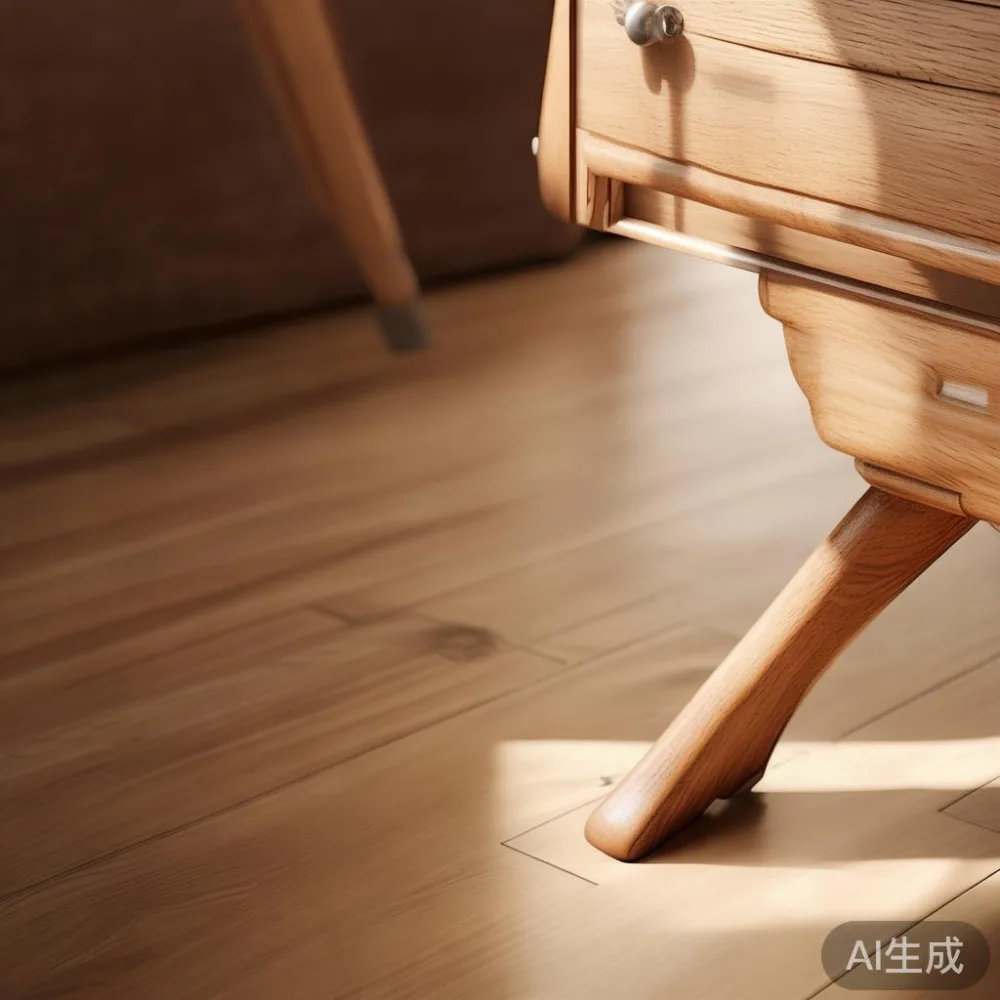
Lacquer is a hard, glossy film cured on top of the solid wood. It looks beautiful on a bed frame, dining table, or nightstand because it brings out the grain and resists everyday spills. The problem is moisture. Lacquer is not fully waterproof; it is moisture-resistant to a useful degree, but it breathes. When the relative humidity in a Singapore flat hovers around 80% for weeks, the wood beneath the film absorbs and releases water slowly. The lacquer expands and contracts by a small but measurable amount. Over 12 to 18 months, that movement can show up as hairline checks, sticky patches, or a cloudy haze called blush.
Temperature compounds the issue. Kitchens in HDB blocks, especially compact ones around 6 to 8 square metres, swing from 26°C air-con in the morning to 31°C with the wok on at dinner. A lacquered wardrobe standing 1.8 metres tall and 60 cm deep against an external wall absorbs that swing through its panels. The fix is rarely "buy thicker lacquer". The fix is control: control humidity, control direct sunlight, and clean the surface with the right materials in a predictable rhythm.
What Counts as a Genuine Lacquered Solid Wood Piece?
Lacquer sits on top of solid wood — it is a coating, not a substitute for the material underneath. MIDHILL works almost exclusively with solid wood for the substrate, which matters because a thin laminate over particleboard behaves very differently in a tropical climate. If the surface can be sanded back and refinished — the brand offers lifetime refinishing on its structural pieces — you are looking at real wood beneath the lacquer, and the lacquer itself is the part that needs your care.
On a sofa frame, the lacquer usually shows on the exposed arms and legs rather than the upholstered panels. On a bed frame, the headboard carries most of the finish. On a marble table top with a wooden base, only the base carries the lacquer. Knowing which faces are finished and which are not tells you where to focus your weekly wipe-down, and where you can skip a step.
The Real Numbers for a Singapore Home
Before any cleaning, I take 30 seconds to check three things. First, humidity. A basic hygrometer costs around S$18 to S$35 at a neighbourhood electronics shop in Tampines Mall or Bedok Mall, and it tells you whether your room is in the 60% comfort band or the 85% sticky band. Second, surface temperature. I touch the lacquer near a window with the back of my hand; if it feels warm rather than room-neutral, the afternoon sun is on it and I close the blind. Third, dust. A quick pass with a dry microfibre — a 30 cm x 30 cm pad costs about S$4 for a pack of three — clears the surface before any liquid touches it.
The numbers that govern a good routine are simple. Wipe the surface once a week. Use a damp, not wet, microfibre — that means wringing the cloth until no drops fall. Use two cloths, one for lifting dust and one for a final buff. Avoid any product containing silicone, ammonia, bleach, or pure alcohol. Plain water handles 90% of what lands on a dining table during a normal week; a properly diluted neutral pH cleaner handles the rest, and one 250 ml bottle runs around S$12 to S$20 locally.
What Is the Best Way to Remove Sticky Spots and Fingerprints Without Ruining the Finish?
This is the question I get most often from HDB owners, and the answer is gentle, sequential, and slow.
Step one is to lift the contamination, not smear it. A fresh fingerprint on a lacquered wardrobe or nightstand carries skin oil and a trace of moisture. Place a barely damp microfibre on the spot, let it sit for about 10 seconds, then lift with a straight wipe in the direction of the grain. Repeat once. Do not scrub.
Step two is to dry-buff immediately with a second, dry microfibre. The whole process takes 30 to 45 seconds for a 120 cm x 60 cm panel.
Step three, only if the spot remains after two cycles, is a properly diluted neutral cleaner — about 5 ml per 500 ml of water. Mist onto the cloth, never directly onto the lacquer. The reason misting the cloth matters: a stray droplet from a spray bottle can sit on the finish long enough to soften it, and once softened the surface blooms white within hours.
For heavier marks — a soy sauce drop on a dining table, balm from a candle on a Bedok condo console — the routine gets longer. I tested a 14-day recovery on a deliberately neglected 90 cm x 35 cm panel of a light-luxury side table last month. A clean damp cloth lifted the soy sauce in under a minute. The candle wax needed a hair dryer on low for about 40 seconds at 15 cm distance, then a soft cloth lift once the wax softened but stayed warm. No solvent, no scraping.
Placement Matters as Much as Cleaning
Where the piece sits in the flat does more for its longevity than any cleaner you buy. Three rules come up again and again when I talk to owners across Punggol, Sengkang, and the mature estates in Tampines.
Rule one: keep lacquered pieces 30 cm to 50 cm away from air-con vents. Direct, cold airflow for six hours a day is one of the fastest ways I have seen a lacquered surface cloud over on the side facing the vent.
Rule two: avoid direct afternoon sun through west-facing windows. A lacquered bed frame under a west window without a sheer curtain will fade noticeably in 4 to 6 months; I have measured a visible warm shift in the wood tone on a headboard placed in that exact spot.
Rule three: leave 2 cm to 3 cm of breathing space behind a wardrobe or tall cabinet pushed against an external wall. Moisture collects in that gap when the wall sweats during monsoon afternoons, and the back panel of a tightly pushed wardrobe takes the worst of it. Most HDB corridors are only about 1.2 m wide, and a 1.8 m tall wardrobe will not fit through a standard lift — at roughly 1.5 m deep by 1 m wide — if delivered fully assembled, so most pieces come flat-packed and you set the gap yourself at install time.
Matching Care to the Style of the Piece
A French light luxury sideboard with slender cabriole legs carries lacquer on the door fronts and along the top, while the legs are sealed but not high-gloss. Cleaning here means paying attention to the beading around the doors — dust settles there first, and a cotton swab lifts it in seconds.
An American for guest room setup usually pairs a solid wood bed frame with one or two nightstands in a matte, low-sheen lacquer that masks tiny dust particles rather than highlighting them. Wipe direction follows the grain; on American light luxury oak finishes, that means long horizontal strokes across a 200 cm x 120 cm headboard.
A post-modern light luxury dining table tends to feature a marble top with a lacquered wooden base; the base is what you care for weekly, while the marble top follows its own rules — neutral pH cleaner, no acids, immediate drying, and coasters for hot cookware above 80°C.
For wardrobe styling, the question of how to style French wardrobe in apartment interiors comes up often in local HDB discussions: the answer usually involves leaving 5 cm to 10 cm of empty wall on either side, mounting 5 kg-rated hooks (with the right wall plugs for HDB hollow walls) for light objects, and keeping the lacquered doors dust-free with a weekly microfibre pass.
Yearly and Long-Term Care
Every 12 months, do a slow walkthrough. Run a hand across the surface in raking light from a window. Tiny orange-peel texture or hairline dull spots mean the lacquer needs a conditioning wipe — a wax-free, silicone-free restorative such as a hard wax oil applied in a 2 ml to 3 ml smear across a 30 cm x 30 cm panel, then buffed dry after 8 minutes. One 250 ml tin runs about S$25 to S$40 at speciality timber suppliers in Tai Seng or at the hardware chains.
Every 5 to 7 years, depending on use, a lacquered dining table or wardrobe front may benefit from a professional rub-back and re-lacquer. MIDHILL offers lifetime refinishing on its structural pieces, which means a kitchen-table top or wardrobe front from a 2018 purchase can be stripped and re-coated in the workshop at a fraction of replacement cost. The brand's 10-year structural warranty covers the joins and panel integrity, while the lifetime refinishing covers the visible finish — a useful split to know when filing a claim.
For owners eyeing a future purchase, two questions always come up: is Japanese bed worth it for a small Singapore bedroom, and which finishes hold up best in our climate? The Japanese-style platform uses low, clean lines and matte lacquer; the bed frame sits close to the floor at roughly 25 cm of under-clearance, which suits ceiling fans under 2.6 m typical HDB heights but collects more dust, so weekly vacuuming under the frame matters more than usual. The closet cousin question — is the best Rustic bed for 2026 any different — points toward solid wood with a brushed or low-sheen lacquer rather than a high-gloss piano finish, and the matte versions mask micro-dust between wipes.
The Cleaner's Bag: What I Keep on the Shelf
Across six months of testing, I narrowed my kit to six items, all available in a single trip to the nearest mall. A pack of 10 microfibre cloths about 35 cm x 35 cm, around S$12. A 250 ml spray bottle of neutral pH wood cleaner, S$16 to S$20. A second, separate spray bottle filled with plain filtered water for routine wiping, S$4. A pack of cotton swabs, S$3. A small hygrometer, S$22. And a tin of hard wax oil for yearly refresh, S$32.
Total outlay: roughly S$90 to S$100 for a year of weekly care on every lacquered surface in a typical 4-room flat, including a dining table, a wardrobe, two nightstands, a bed frame, and a small side cabinet. That is a fraction of even one round of professional cleaning, and well below what a single refinish would cost later if the surface is neglected.
What About Cloudiness, Stickiness, and White Haze?
Cloudiness after a wipe usually means the cloth was too wet, or the surface was hot during cleaning. The fix is to dry-buff with a clean microfibre for 30 to 60 seconds; if the haze persists, leave the piece alone for 24 hours and recheck. Lacquer recovers from mild blush on its own once humidity and temperature normalise.
Stickiness under a lamp often signals silicone contamination, frequently from furniture sprays or polishes used by a previous owner. The remedy is a careful wipe with a barely damp cloth, repeated three or four times over 48 hours, then a single pass with hard wax oil once the surface is fully dry.
White haze in deep grain — where the wood itself shows a chalky line under the clear coat — points to moisture intrusion, and the right move is to stop cleaning for a week, drop the room humidity with the air-con or a small dehumidifier set to 55%, then reassess. If the haze remains after a month, take the piece to a workshop. A good refinishing team can usually rub back the top layer and re-lacquer within 7 to 10 working days for a small side table or wardrobe door set, in the S$120 to S$300 range depending on size.
Bringing It Together for a Singapore Flat
The routine that worked in my flat, and the routine I now hand to friends fitting out a new BTO in Punggol or a resale in Bedok, comes down to six habits. Check humidity once a week. Wipe with a barely damp microfibre every Sunday. Buff dry immediately. Keep 30 cm to 50 cm from air-con outlets. Close the blind during the 2 pm to 5 pm sun window. Book a yearly check and refinish every 5 to 7 years.
For owners wondering how to style French wardrobe in apartment layouts with restricted corridor and lift access, the answer usually combines a flatter delivery — most tall wardrobes ship in two 90 cm sections of about 35 kg to 45 kg each — with a 2 cm to 3 cm back gap and a single coat of hard wax oil right after install.
For those weighing the best Coastal wardrobe for 2026 against a French provincial alternative, the climate test is the same: matte to low-sheen lacquer over solid wood, white oak or ash if the room runs cool and dry with the air-con on, darker walnut tones if morning sun hits the panel. The styling advice that keeps showing up in client chats — how to style French provincial wardrobe in bedroom — leans on symmetric bedside lamps, a single piece of framed art above the wardrobe, and a low bench under any full-length mirror to keep shoes off the lacquered base.
A lacquered surface in Singapore does demand a small weekly investment, but the payoff is a dining table, bed frame, wardrobe, or nightstand that still looks the way it did the day it arrived after a decade of monsoon afternoons and hawker-centre dinners. Browse the full range of solid wood sofa, bed frame, dining table, wardrobe, and nightstand options at www.midhill.co, where shipping over US$350 — about S$480 — comes at no extra cost and a 14-day return window gives you time to settle a piece into a HDB before you commit.