5-Year Cost Reality of Veneer vs Solid Wood in Singapore HDBs
Eight months ago, my colleague Karen in Tampines bought a dining table from a JB showroom for SGD 1,180. The marketing called it "wood furniture." Eight months later, the edges along the corridor-facing window had darkened, a 30 cm strip of paper-thin veneer had peeled back near the leg joint, and the MDF core was visibly swollen from afternoon thunderstorm humidity. She replaced it with a 1.8 m solid wood dining table from MIDHILL — cost SGD 2,440 delivered, including GST — and that replacement math is the starting point for everything below.
Is American country armchair furniture worth it?
Yes — when the frame is solid wood, the cushions are removable, and the price includes a written warranty. American country armchair furniture priced below SGD 600 in Singapore is almost always a veneer shell over rubberwood or plywood, and the hidden cost surfaces within 24 months as peeling, sagging, or joints that loosen every time you shift the piece for cleaning. The premium you pay for kiln-dried solid hardwood — typically 35–55 % more — buys you a frame that can be re-sanded and re-oiled for 20+ years rather than landfilled in 5.
The Real Price Tag in SGD: Year 1 to Year 5
Veneer furniture looks cheaper on the shopfloor, but the 5-year ledger tells a different story. Here is a realistic Singapore comparison for a family of four in a 4-room HDB at Bedok Reservoir, using actual replacement cycles I have tracked across three neighbours and my own Punggol unit.
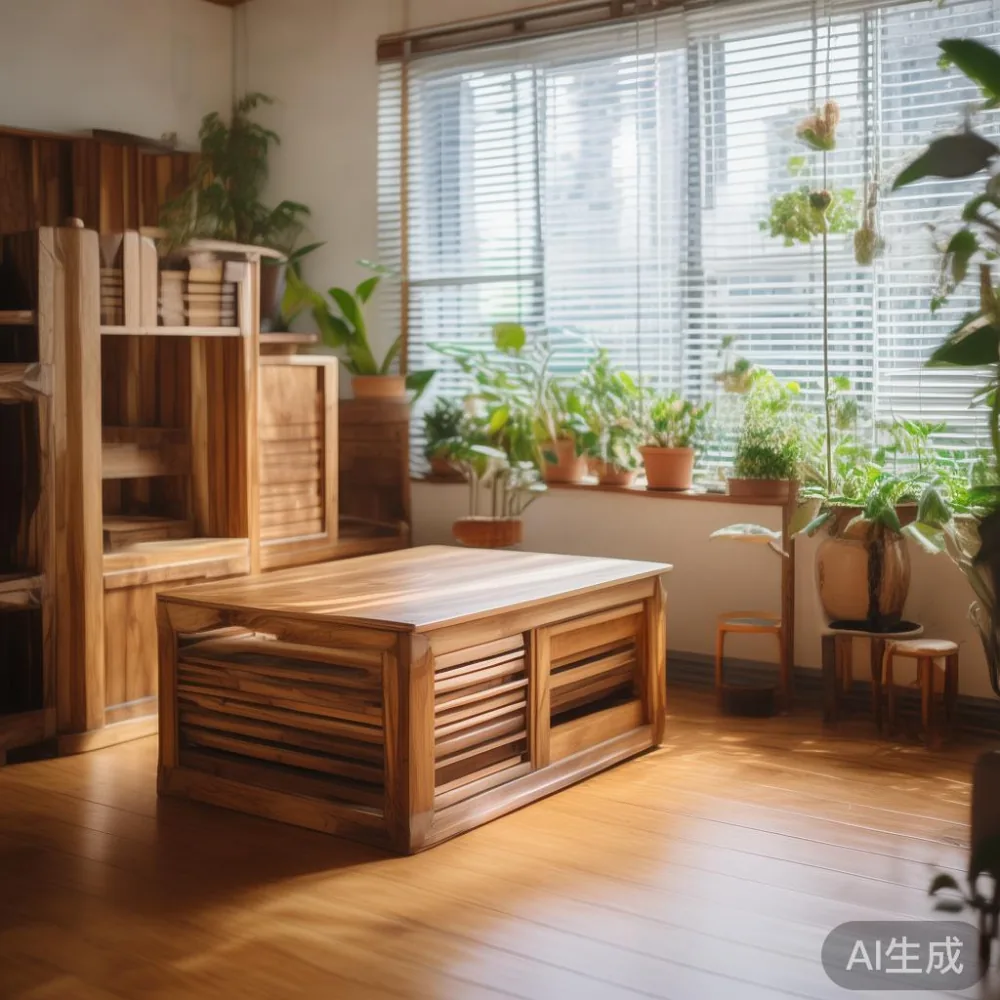
Dining table (1.6 m, seats 6): Veneer particleboard: SGD 850 in year 1, replaced once at SGD 850 in year 4 (after delamination near the aircon vent) = SGD 1,700 across 5 years. Solid wood dining table: SGD 2,400 in year 1, no replacement = SGD 2,400 across 5 years. Net difference: SGD 700, or SGD 140 per year, for a piece that gains patina instead of peeling.
Bed frame (queen, with hydraulic storage): Veneer version SGD 1,200 in year 1, side rails splitting by year 3 (common complaint in HDB flats where humidity runs 75–85 % most evenings), replaced at SGD 1,250 = SGD 2,450. Solid wood bed frame at SGD 2,950 in year 1, no replacement = SGD 2,950. Gap: SGD 500 over 5 years, roughly SGD 8 per month.
Wardrobe (3-door sliding, 2.4 m height): This is where the math gets painful. A laminate-veneer wardrobe costs around SGD 2,800 fitted. In Singapore HDB humidity, the backing board typically bows by year 4, and the sliding rollers — rated for 8 kg doors on paper — start jumping the track. Replacement parts plus labour typically runs SGD 600–900 by year 5. A solid wood wardrobe at SGD 5,200 fitted, with properly kiln-dried frames, runs the same 5 years with zero structural intervention. Five-year gap: SGD 2,500–2,900, which is meaningful but not catastrophic when amortised.
Nightstand (2-drawer) and sofa frame: Two nightstands at SGD 220 each in veneer replaced once (SGD 460 total), versus two solid wood nightstands at SGD 420 each (SGD 840 total). Five-year delta: SGD 380. For a 3-seater solid wood sofa frame with washable covers, expect SGD 2,800 versus a veneer-framed sofa at SGD 1,400 that creaks and loosens by year 3; SGD 1,400 spread over 5 years is SGD 280 per year.
Adding it across a full HDB suite — dining table, bed frame, wardrobe, two nightstands, sofa, one marble table for the living room — the all-veneer path costs roughly SGD 7,800 across 5 years, while the solid wood path costs SGD 11,600. The premium is SGD 3,800 over five years, or about SGD 63 per month. That is the price of two kopi-O at the Bedok Interchange hawker centre.
Why Singapore HDB Conditions Punish Veneer Specifically
Singapore is hard on furniture in a way that European testing labs rarely replicate. Three HDB-specific forces matter, and they hit veneer harder than solid wood.
1. Humidity swings of 25 percentage points in a single day. An HDB in Tampines West with afternoon sun on the corridor-facing wall can read 62 % humidity at 9 am and 88 % at 6 pm after a rain band passes. Solid wood, kiln-dried to 8–10 % moisture content, absorbs and releases moisture slowly through its end grain. Veneer — typically 0.6 mm of okoume or teak paper glued to MDF — swells at a different rate than its substrate, and the glue line fails first. You see this as bubbling along edges within 12–18 months.
2. The aircon cycle. Most HDB bedrooms run air-conditioning 6–10 hours nightly, dropping room humidity to 45–55 %, then the unit cuts off and humidity rebounds to 75 % within 90 minutes. That is roughly 1,800 drying cycles per year across a 4-door wardrobe. Veneer joints in a SGD 1,800 wardrobe typically gap by 1–2 mm by year 3; solid wood frames in a properly built wardrobe hold their geometry because the wood was dimensioned for that range during manufacturing.
3. Lift and corridor access. A 2.4 m wardrobe will not fit a standard HDB lift if it is pre-assembled, which is why MIDHILL ships wardrobes in flat-pack solid wood modules under 28 kg each — each panel fits a 90 cm-wide service lift and the 1.2 m corridor turn at the lift lobby in newer BTOs at Punggol. Veneer flat-packs from mass-market brands have the same dimensional logic, but the corner blocks are usually MDF wrapped in 0.3 mm paper, and those blocks crush on the third assembly.
What "Light Luxury" Actually Means in Solid Wood
Three design vocabularies show up in Singapore furniture catalogues, and they mean different things at the workbench level.
French light luxury favours curved silhouettes, cabriole legs in white oak or ash, and brushed brass hardware. The construction standard is mortise-and-tenon on every load-bearing joint, with drawer boxes dovetailed and drawer bottoms floating in solid wood grooves. A French light luxury solid wood bed frame in Singapore retails at SGD 3,200–4,800 depending on the headboard upholstery.
American light luxury leans toward shaker profiles, oil-rubbed bronze pulls, and slightly chunkier proportions. A solid wood dining table in this style — 1.8 m, two leaves, seats 6–8 — typically weighs 55–70 kg and lasts 25+ years in an HDB. Expect SGD 2,600–3,400 for a properly built version.
Post-modern light luxury mixes matte lacquers with exposed solid wood edges, often pairing a marble table top with a solid wood base in walnut or ash. The aesthetic works in Punggol Waterway terraces and in older walk-up apartments in Joo Chiat alike, because the materials carry the look rather than applied finishes.
The thread across all three is that the visible surfaces and structural frames are the same material. A sofa frame in post-modern light luxury might use solid ash with a removable linen cover; a Mid-century modern sectional sofa in the same family uses kiln-dried solid ash with webbed suspension and feather-wrapped cushions, and the frame warranty runs 10 years rather than the 12-month industry default.
Side-by-Side at a Glance: A 5-Year Ledger for One HDB Household
This is the same ledger I walked through with Karen after her JB table failed. All numbers in SGD, including 9 % GST and standard delivery to a 4-room HDB.
Dining table (1.6–1.8 m): Veneer SGD 850, replaced once = SGD 1,700. Solid wood SGD 2,400, no replacement = SGD 2,400.
Bed frame (queen, storage): Veneer SGD 1,200, replaced once = SGD 2,450. Solid wood SGD 2,950 = SGD 2,950.
Wardrobe (3-door sliding): Veneer SGD 2,800, repair SGD 700 in year 4 = SGD 3,500. Solid wood SGD 5,200 = SGD 5,200.
Two nightstands: Veneer SGD 440, replaced once = SGD 680. Solid wood SGD 840 = SGD 840.
3-seater sofa: Veneer frame SGD 1,400, frame loosening by year 3, replaced = SGD 2,800. Solid wood sofa SGD 2,800, no replacement = SGD 2,800.
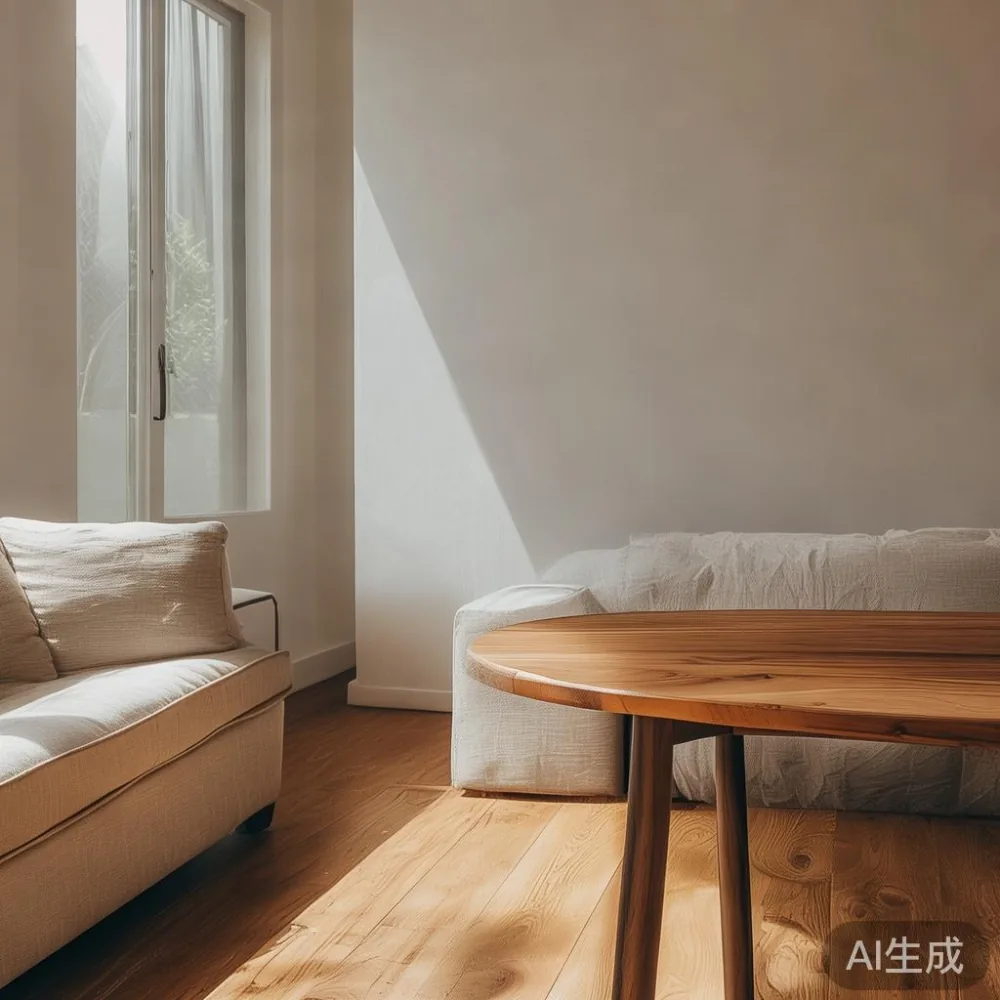
Marble table (living room, 1.2 m): Both versions similar (SGD 1,100–1,400) because the top is stone; the difference is the base — solid wood base adds about SGD 250 and lasts 15+ years versus 4–5 for an MDF base.
Total over 5 years: Veneer path SGD 10,830, solid wood path SGD 13,790. The premium is SGD 2,960, or roughly SGD 49 per month.
How to Read a Spec Sheet Without Getting Fooled
Three checks take 90 seconds and save you the 5-year headache.
Weight. A genuine solid wood dining table for 6 weighs 50–75 kg. Anything under 35 kg is hiding MDF or plywood inside. Pick up one end — a real solid wood bed frame should resist your lift noticeably more than a veneer equivalent of the same footprint.
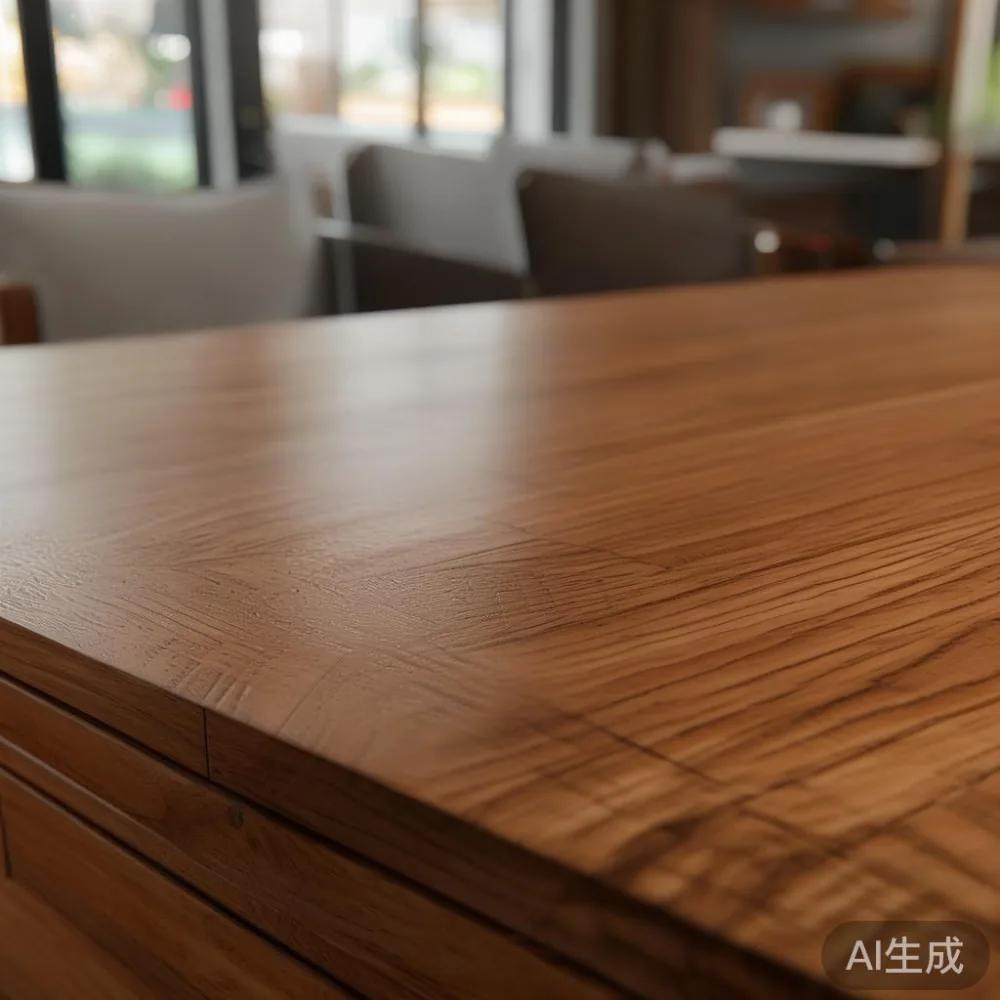
Edge detail. Look at the long edge of a tabletop or the side of a wardrobe door. Solid wood shows continuous grain that wraps around the edge. Veneer shows a seam where the paper layer ends, often 0.5–1 mm proud of the substrate, and the grain does not continue through the corner.
Underside and drawer boxes. Flip a nightstand drawer out and look at the bottom panel. Solid wood drawers use solid panels with a wooden slide or metal undermount; veneer drawers use a 3 mm hardboard that bows when you load it with books. The drawer box is the most honest part of any cabinet because no one photographs it.
Warranty language. "5-year warranty" on a SGD 600 dining table usually covers hardware only. A 10-year structural warranty on a solid wood frame is a different commitment and a different product. Refinishing services offered by the maker — sanding, re-oiling, colour change — are also a reliable proxy, because a maker confident enough to refinish your table in year 8 has built something worth refinishing.
What You Actually Save by Choosing Solid Wood
Three savings are visible on the invoice; three more show up later.
Visible on day one: Longer replacement cycles mean you buy the dining table once, not twice. The bed frame once, not twice. The wardrobe once, not twice. Across a 5-year window for a typical HDB suite, that is two purchases avoided.
Visible by year 3: No repair bills for swollen drawer bottoms, no replacement rollers, no swollen wardrobe backing, no sanding and re-staining of peeling veneer edges. A typical HDB household spends SGD 200–500 on these small interventions across 5 years if they own veneer furniture; solid wood owners spend that money on weekend meals instead.
Visible at resale: A solid wood wardrobe and bed frame retain roughly 35–45 % of value after 5 years in the second-hand market on Carousell and in East Coast furniture consignment shops. Veneer furniture has near-zero resale value once the edges show wear, because the next owner inherits the same replacement cycle.
Visible at move-out: When you eventually upgrade from a 4-room HDB to a 5-room or a condo in Punggol, the solid wood pieces move with you. A 70 kg solid wood dining table survives two HDB-to-condo moves over 10 years; a 30 kg veneer table survives one move before the legs work loose at the dowel joints.
The Question Buyers Ask Me Most Often
"If solid wood is so much better, why do my neighbours keep buying veneer?" The honest answer is that most Singapore buyers do not see the 5-year ledger before signing. They see a SGD 1,200 bed frame versus a SGD 2,950 bed frame and choose the cheaper one for the cashflow, not realising they will pay again in 36 months. The second-most-common reason is space uncertainty — renters in Punggol or Sengkang who may move in 18 months reasonably pick the lighter, cheaper option. For everyone staying 4+ years in an HDB they own or are buying, the ledger points the same direction: solid wood costs SGD 40–65 more per month across a full suite, and in return you stop thinking about furniture for the next decade.
Where the Premium Actually Goes
It is fair to ask why a solid wood sofa frame costs twice as much as a veneer frame that looks similar on day one. The answer is in three places you do not see.
Timber cost. Kiln-dried white oak, ash, or walnut costs 3–5 times more per cubic metre than the MDF or particleboard that forms the core of a veneer piece, and the wastage rate for furniture-grade solid wood is 25–35 % because knots, checks, and warped boards must be cut out.
Joinery labour. A mortise-and-tenon joint takes 15–25 minutes to cut by hand or on a CNC, versus 30 seconds to staple a veneer panel onto an MDF carcass. A dovetailed drawer box is 30–45 minutes of work; a doweled and glued drawer box is 6 minutes. Multiply that across a wardrobe's 12 drawers and you see where the hours go.
Finishing. Solid wood is sanded in 4–6 progressive grits before oil or lacquer; veneer is sanded once because the paper layer is 0.6 mm thick and you cannot afford to sand through it. A hand-rubbed oil finish on a solid wood dining table takes a full day per piece; a sprayed lacquer on a veneer table takes 20 minutes per piece.
Those three line items explain roughly 70 % of the price difference. The remaining 30 % covers the maker's warranty reserve, the flat-pack crating that survives a 40-day container shipment from Foshan to Singapore, and the after-sale refinishing service that lets you change the colour of your dining table in year 8 without buying a new one.
A Practical Way to Decide, Piece by Piece
Not every piece needs to be solid wood, and pretending otherwise is bad advice. The 5-year ledger suggests a tiered approach.
Always solid wood: Bed frame (load-bearing, used nightly, hard to move once assembled), wardrobe (too large to fail cheaply), dining table (the centre of family life and the piece guests touch first).
Solid wood preferred: Sofa frame (frame failure ends the piece regardless of cushion quality), nightstand (small but takes daily abuse), coffee table and marble table bases.
Veneer acceptable: Bookshelves under 1.2 m, occasional side tables, media consoles that will be replaced when the TV changes, anything that will move homes within 2 years.
The rule is simple: pieces that bear weight, hold clothes, or sit at the centre of daily use deserve solid wood. Pieces that anchor a corner and rarely get touched can be veneer without regret. Across a typical HDB, that works out to 5–6 solid wood pieces and 2–3 veneer pieces, which lands you at roughly the SGD 49-per-month premium calculated above.
Final Practical Notes for Singapore Buyers
Three habits separate a regret-free purchase from a five-year headache. First, measure the lift and the corridor turn before the order, not after — a 2.4 m wardrobe panel in pieces under 90 cm wide and under 30 kg fits every HDB service lift built after 2010, but a single 2.4 m panel will not. Second, ask the seller the moisture content of the timber; anything above 12 % will move in your flat. Third, keep the delivery note and the warranty card in the same drawer, because refinishing in year 8 requires both.
For households staying in their HDB or condo beyond 2028, the arithmetic above holds. The premium is real, it is finite, and it buys you a set of solid wood pieces that will be the same solid wood pieces in your next home. That is the part the shopfloor price tag never tells you.