Caring for Lacquered Solid Wood Furniture in a Singapore HDB: A Practical Guide for Tropical Climates
I grew up in a fourth-storey walk-up in Bedok, and my mother used to place every new dining table she owned within two metres of the kitchen door, partly because that was the only place the corridor was wide enough to manoeuvre it in. She lacquered those tables every Chinese New Year, and she watched them peel inside three. Twenty-eight years later, I help specify lacquered pieces for clients living in Tampines and Punggol BTOs, and the failure pattern is almost identical — except now I can read it on a hygrometer. Last month I visited a client in a 93 sqm Punggolim unit whose walnut solid wood bed frame had developed a faint cloudy bloom across the headboard panel. The air-con had been off for nine days while the family travelled to Bangkok. Indoor humidity had held steady around 82 percent. The lacquer had not peeled. It had simply gone dull, and it came back with a soft cloth and a 90-minute stretch of 24°C air-conditioning.
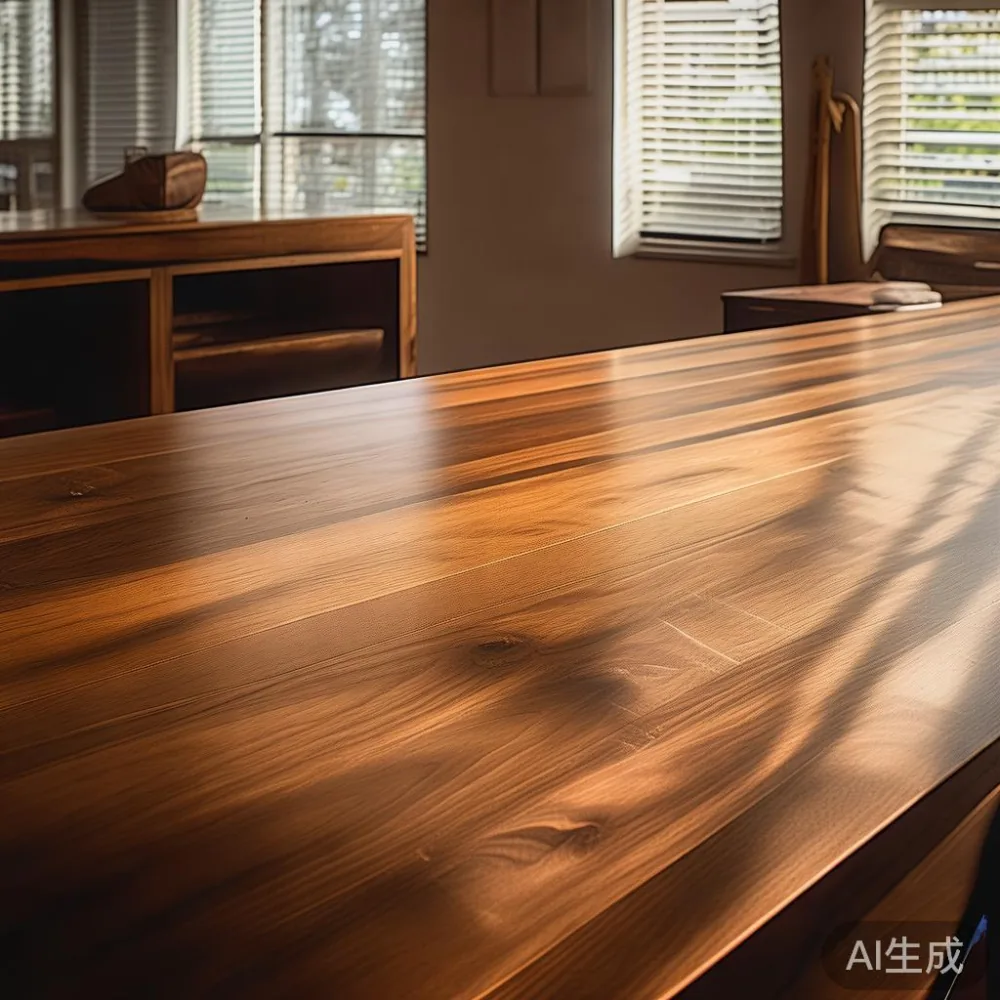
That single observation is what this guide is about. Lacquer is the most misunderstood finish in the solid wood furniture category, and a tropical climate punishes it in very specific ways. The good news: it is also forgiving, if you understand the mechanics. Below is what I share with clients in the lift lobby, in WhatsApp threads, and over coffee at the Tampines Hub food court.
Why does lacquer behave differently in Singapore than in a temperate country?
Lacquer — whether pre-catalysed, conversion, or the nitrocellulose variety still used on many imported Chinese pieces — is in effect a film. It sits on top of the solid wood substrate (typically ash, oak, walnut, or rubberwood for the Singapore price band) and breathes only slightly with humidity. In a temperate climate the wood underneath moves gently across seasons. In Singapore, relative humidity rarely drops below 65 percent and often climbs above 85 percent between May and October. The wood expands; the film tries to follow; the bond ages.
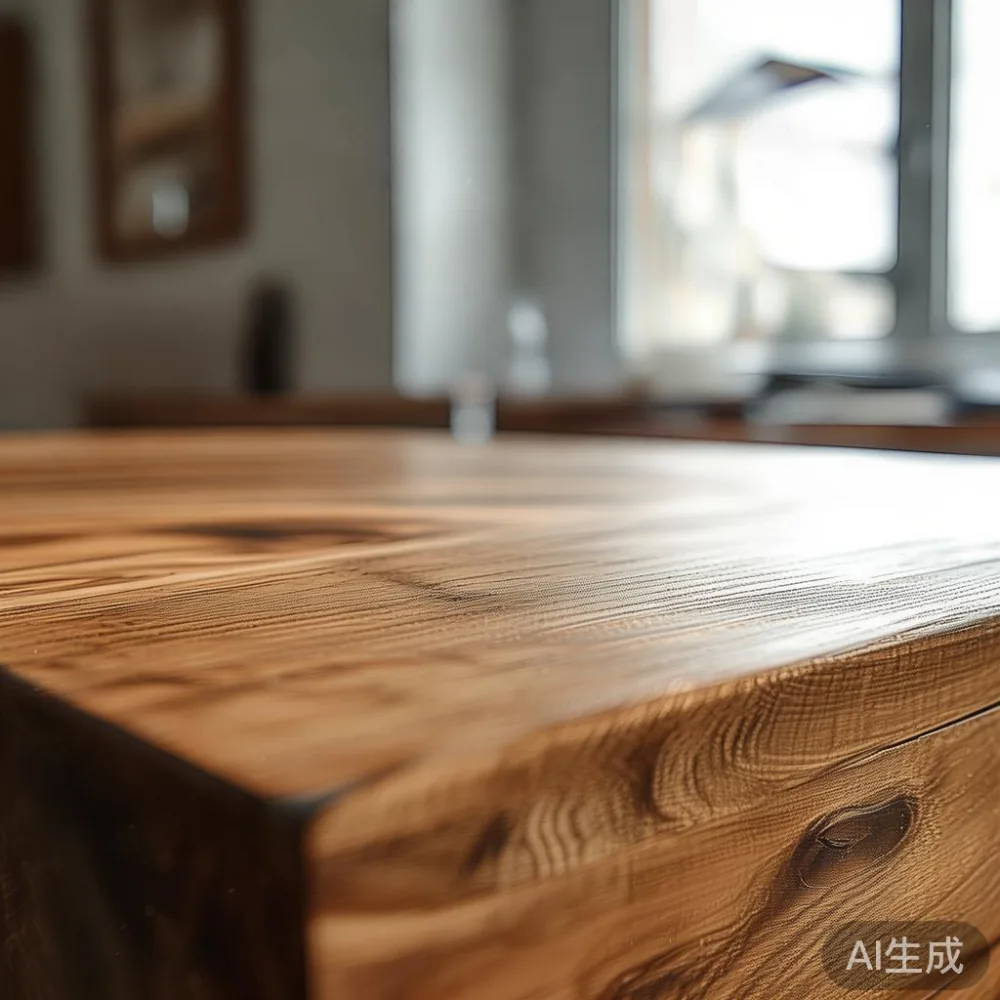
Three numbers worth pinning to the fridge: target indoor RH between 45 and 60 percent, surface temperature between 20 and 27°C, and direct sunlight exposure under two hours per day. A 90 sqm HDB unit running a single 9,000 BTU inverter unit at 25°C will typically hold 52 to 58 percent RH when doors are closed, which is exactly the range lacquer wants. A 120 sqm condo at 24°C with the balcony doors cracked open during an afternoon shower can climb to 78 percent inside ten minutes. That swing is what causes the white rings under a cold mug, the dull patches across a dining table, and the micro-cracks at the mitre joints of a wardrobe door.
How do I style a American country wardrobe in a small apartment?
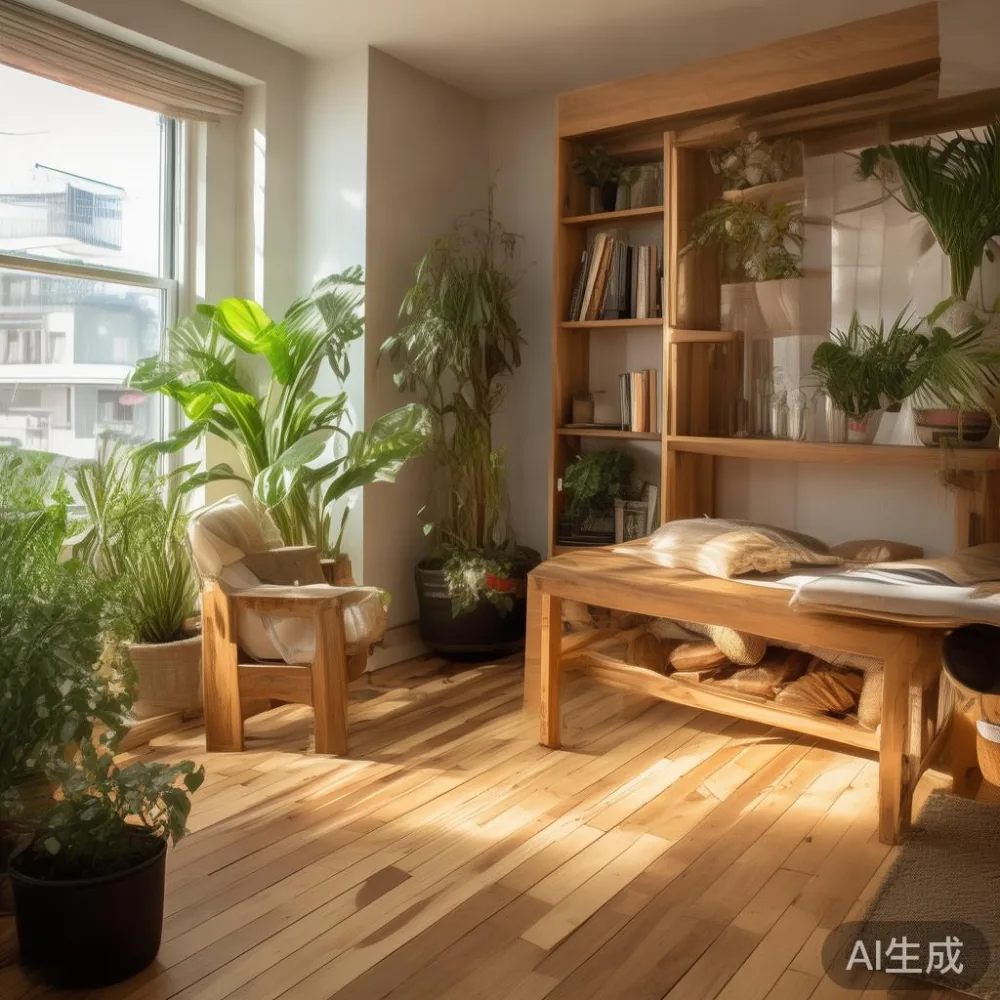
For a compact HDB bedroom measuring roughly 9 sqm, anchor the American country wardrobe to the wall opposite the door so it reads as built-in, leave 8 to 10 cm of breathing space between the wardrobe back and the wall behind it to let humidity equalise, choose a three-door configuration no taller than 220 cm to clear most HDB cornices, pair it with a low-profile solid wood bed frame in the same species, hang linen sheaves at the rod rather than blackout curtains to keep airflow gentle, place a slim ceramic knob set in brushed brass so the lacquer catches a warm highlight, and finish with a single rattan pendant dropped to 150 cm above the floor to echo the country lattice pattern without crowding the ceiling line. This answer is also the recipe: in a small room, the wardrobe should feel like the room's anchor, not its obstacle, and the styling around it should leave at least 30 percent of visible wall empty.
What does a realistic weekly care routine look like?
Twice a week, on Sunday and Wednesday, wipe every lacquered surface with a microfibre cloth that has been lightly misted with distilled water — never tap water, because Singapore tap water carries calcium at roughly 28 mg/L and that mineral content is what dulls lacquer over months. Past 12 weeks, treat the surface with a paste wax such as Howard Feed-N-Wax or a comparable beeswax blend, applied with a soft pad in the direction of the grain, left to haze for 8 minutes, and buffed with a clean cotton cloth. A 250 ml tin costs around SGD 18 at a Tiong Bahru hardware shop and will treat four dining tables for a full year.
Spills get blotted, not wiped. A coffee splash wiped across a lacquered nightstand will leave a comet-shaped stain within seconds; the same splash blotted with a paper towel within ten seconds will leave no mark at all. For sticky residue — the usual culprit is children's furniture stickers during Chinese New Year — use a cloth barely damp with a 1:4 mixture of isopropyl alcohol and distilled water, then immediately wipe dry and rewax the spot. I keep a small spray bottle of that mix beside every client and tell them to refill it for every square metre of lacquered surface they have. Mine. Recycled.
Which products and habits actually damage lacquer in a HDB?
Silicone-based polishes such as Pledge and most aerosol dusting sprays will, over six to nine months, soften lacquer and create the dreaded fisheye patch that refuses to be re-coated. Furniture sprays (SS-SS) are the worst offenders because the silicone migrates into the wood pores and prevents any future refinishing. A client in a Bedok resale flat once sprayed Pledge on a walnut solid wood dining table every week for two years; the table looked mirror-bright the day she called me, and the lacquer had begun to slide off the surface like wet clingfilm. We sanded it back to bare wood, re-stained, and re-coated with three coats of pre-catalysed lacquer at a workshop cost of SGD 480 — about a quarter of the original table's value.
Other habits that shorten lacquer life: a marble table placed directly under a west-facing window with no sheer, rubber feet on a chair left in one spot for more than 48 hours (the plasticiser migrates into the finish and leaves a permanent dark ring), and an L-shape TV console for living room positioned within a metre of the stove hood without the hood's recirculation mode engaged. Steam from cooking is the single most common cause of localised lacquer failure I see in HDB kitchens, because HDB stove hoods are typically rated at 1,200 m³/h and most families run them on low.
How long should lacquered solid wood furniture last, and what does the warranty cover?
A well-finished solid wood dining table from a maker with proper kiln-dried stock and a multi-coat lacquer system should last 15 to 25 years in Singapore before it needs a full sand-and-recoat. A lacquered piece runs to 12 to 18 years. A solid wood sofa frame — particularly one in white oak or ash with a post-modern light luxury silhouette — will typically need a re-lacquer of the arms and front rail every 8 to 10 years, because those surfaces take the most hand and sunlight contact. A wardrobe door panel, being vertical and shaded, often goes 20 years without intervention.
MIDHILL, a Foshan maker established in 2008 and exporting to 15 or more countries, specifies a 10-year structural warranty on its lacquered ranges and offers lifetime refinishing on most frames for a modest logistics charge of around SGD 180 per piece within mainland Singapore, which covers pick-up, return shipping, and re-coating in their Foshan facility or their regional refinishing partner. Free shipping kicks in at about US$350 equivalent, which a single dining table typically clears; smaller items such as a solid wood nightstand may attract a SGD 45 delivery fee to a Tampines or Punggol address, and a 14-day return window applies to stock pieces. For HDB flats with lift interior widths of roughly 1.1 m and door widths of 0.9 m, this delivery is the moment to ask whether the wardrobe can be split into two for installation on site — most makers including MIDHILL will build knock-down versions for an additional 8 to 12 percent of the piece price, and that surcharge pays for itself the first time you move.
What about marble table care and other mixed-material pieces?
Many Singapore clients ask me about marble table care within their budget because they want a single console that pairs with both a solid wood dining set and a lacquered sideboard. Marble is porous and reacts with citric acid, vinegar, and red wine within minutes; lacquer reacts with the same substances within seconds. The care rules overlap almost completely: coasters, blotting rather than wiping, distilled water for routine cleaning, and no spray polishes. The one difference is heat: a marble table will tolerate a 250°C serving dish for 30 seconds without marking, while a lacquered surface will cloud-mark within 5 seconds. Marble table care within your budget, then, is really about training the household — three coasters per person, in a drawer, and a single rule that no hot vessel touches lacquer without a trivet.
If you are specifying a French light luxury scheme for a 120 sqm condominium in District 9 or District 10, the lacquer on your dining table and sideboard should be a soft satin — roughly 25 to 35 gloss units — rather than a piano gloss, which shows every fingerprint and every humidity wave. A satin lacquer also forgives the slightly uneven humidity profile of an air-conditioned condo with the balcony doors cracked, which is how roughly 70 percent of my clients run their units between 7 p.m. and 11 p.m. on weekdays.
What should I do before I buy, and what should I keep on hand?
Before purchase, ask the maker three questions: what species of solid wood is the substrate (ash, oak, walnut, and rubberwood are the common Singapore price band), how many coats of lacquer are applied (three is acceptable, five is good, seven is overkill for a residential piece), and whether the lacquer is pre-catalysed or conversion (conversion is harder, more chemical-resistant, and roughly 18 percent more expensive). Ask also whether the lacquer is acid-curing or water-based; water-based is friendlier in a HDB because it off-gasses less, and most Singapore deliveries happen within the same day windows from regional stock in Zhuhai, 30 to 45 days for custom orders.
Keep on hand: a small tin of paste wax, a 250 ml spray bottle with a 1:4 alcohol-to-distilled-water mix, a pack of microfibre cloths, a digital hygrometer (a SGD 22 unit from a Tampines hardware shop is fine), and a roll of felt furniture pads. Replace the felt pads every six months. Run the air-con for at least four hours a day during the humid months. Avoid the silicone polishes in the supermarket aisle, because they are the single most expensive mistake a Singapore household can make on lacquered furniture. A lacquered solid wood dining table in a Tampines flat, cared for with this routine, should still look handsome in 2034, even after two more moves and a third child.