Elegance in Every Centimetre: Styling a Small Singaporean Apartment
Living in a Singaporean apartment, whether a compact 4-room HDB in Tampines or a sleek condo in Punggol, presents a unique design challenge. The spatial constraints are real, defined by narrow lift corridors and layouts that demand every square centimetre work efficiently. The desire for a beautiful, uncluttered home often clashes with the reality of limited floor space. The solution lies not in shrinking your possessions, but in choosing furniture that is both functional and visually light. This guide explores how to create a sense of openness and sophistication using the right solid wood furniture, focusing on materials, proportions, and layouts tailored to the Singaporean context.
Why Solid Wood is the Perfect Material for Small Spaces
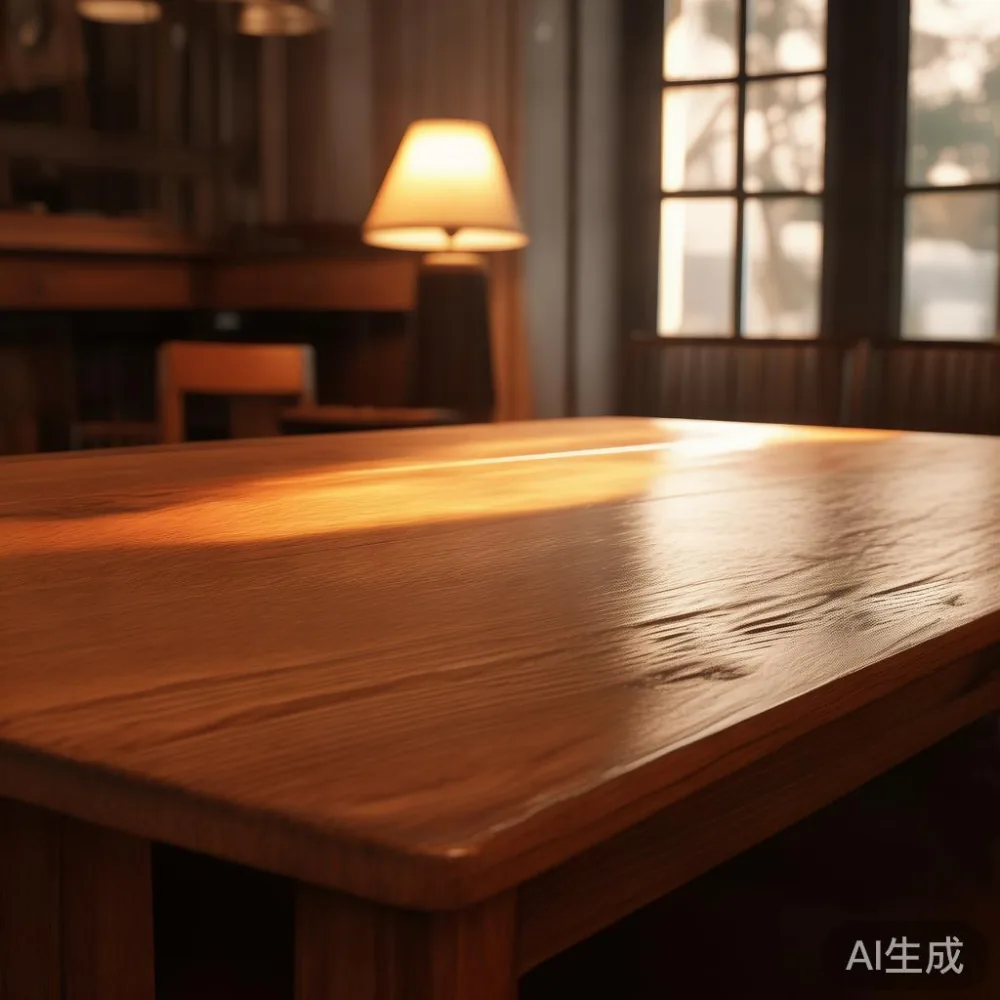
When space is at a premium, the material of your furniture becomes a critical design decision. Plastic and particleboard can feel cheap and visually add weight to a room. Solid wood, on the other hand, offers a timeless quality that can make a small space feel more substantial and curated. A well-crafted solid wood sofa, for instance, has a presence that feels intentional and permanent, rather than like a bulky object crammed into a corner. The natural grains and textures of wood draw the eye without overwhelming it. Also, high-quality solid wood furniture is incredibly durable, a practical consideration for a home that will be lived in for years. With a 10-year structural warranty and a lifetime refinishing service from makers like those at midhill.co, you are investing in pieces that can adapt to your style and withstand the test of time, making them a wise long-term purchase for your Singaporean home.
Choosing the Right Sofa: The Anchor of Your Living Room
The sofa is often the largest piece of furniture in a living room, making its choice paramount in a small apartment. A bulky, deep sofa can instantly make a space feel cramped. The key is to find a piece with a low profile and slender legs. A sofa raised on legs creates a sense of airiness underneath, allowing the floor to flow visually and making the room feel larger. Consider a design with clean lines and minimal upholstery. For those exploring styles, the question of Japanese sofa vs Mid-century modern sofa often arises. A Japanese sofa, typically low to the ground with simple, geometric forms, excels in creating a minimalist, uncluttered feel. Alternatively, a mid-century modern sofa, with its tapered legs and organic shapes, offers a light luxury aesthetic that feels both retro and current. Both styles avoid the heavy, overstuffed look that dominates a room. The dimensions are important. A standard 3-seater sofa can be 180-200 cm long, which is substantial. For a small living room, a loveseat at 140-150 cm or a compact 2-seater might be a better fit, leaving room for movement and a coffee table.
How Do You Make a Small Dining Area Feel Spacious?
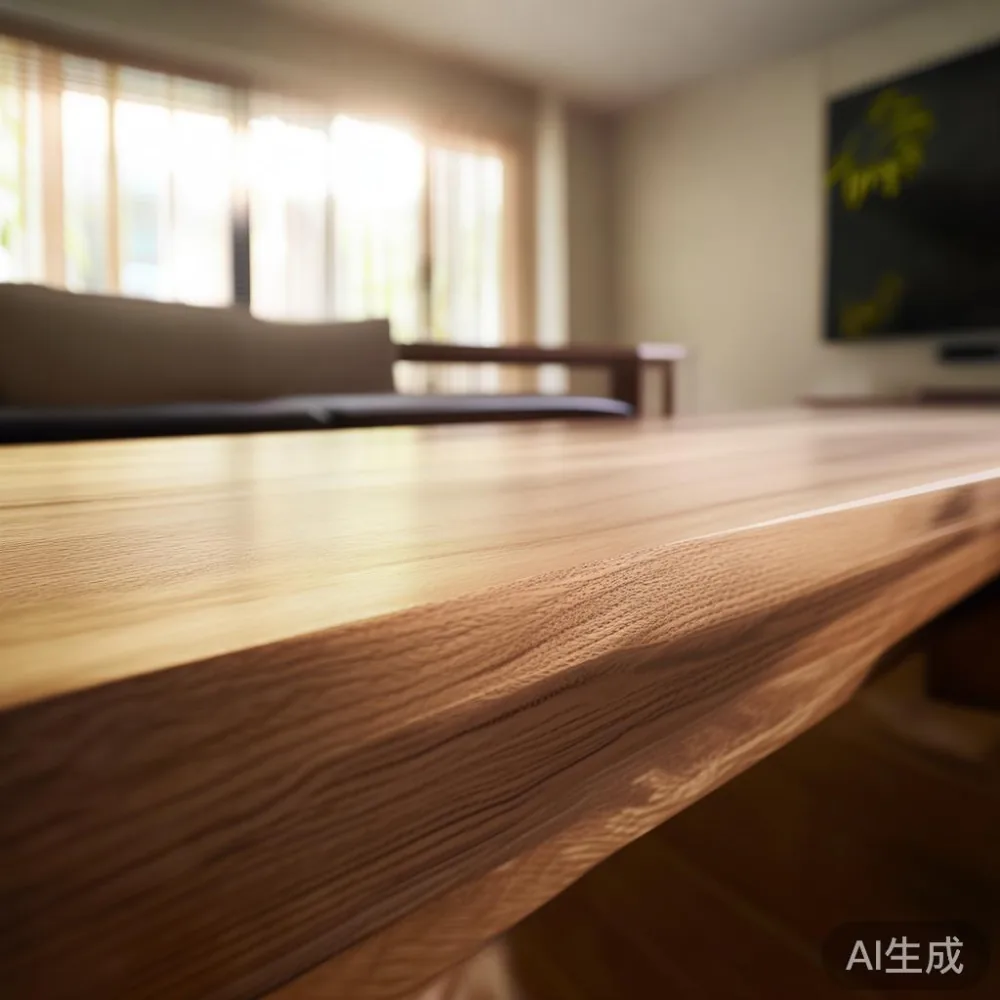
In many Singaporean apartments, especially studio flats or 2-room units, the dining area is part of the living space. This makes it important to choose a dining set that doesn't dominate the room. A large, solid wood dining table for six is a non-starter. Instead, opt for a smaller table, perhaps a round one with a diameter of 100-120 cm, which encourages conversation and has no sharp corners to impede traffic. A pedestal base is preferable to four legs, as it frees up leg space and makes the floor area feel less cluttered. For a Nordic for dining room look, choose a table with light-coloured wood like ash or birch and pair it with slim, stackable chairs. This combination is both elegant and practical. The chairs should be lightweight and easy to move, allowing you to clear the space when needed. A marble table top can add a touch of sophisticated light luxury for hotel, reflecting light and creating a focal point without taking up visual space. Remember to account for the width of your corridor or hallway. A standard HDB door is about 80 cm wide, but a table needs to be manoeuvred through. A table with a maximum width of 90-100 cm will fit comfortably through most Singaporean doorways and into a lift.
Bedroom Necessities: The Bed, Wardrobe, and Nightstand
The bedroom is a sanctuary, and in a small apartment, it needs to function as both a retreat and a storage hub. The bed frame is the centrepiece. A bulky bed with a large headboard and footboard will shrink the room. Opt for a bed frame with a tall, slim headboard that draws the eye upwards, creating an illusion of height. A platform bed with simple, clean lines is an excellent choice for a minimalist aesthetic. For those who prefer a more curated look, a French for small living room style can be adapted to the bedroom with an elegant, upholstered headboard in a neutral tone. Storage is the next priority. A freestanding wardrobe can be a space hog. A built-in wardrobe is the most space-efficient solution, as it uses the wall from floor to ceiling. If a built-in is not an option, a slim, 2-door wardrobe with mirrored doors can make the room feel twice as large. A standard wardrobe is about 60 cm deep, which is sufficient for hanging clothes. For nightstands, forget the bulky, two-drawer chests. A single, narrow nightstand with one drawer or even a small shelf mounted on the wall is far more practical. This keeps the floor clear and maintains a sense of openness. The question of is Japandi bed worth it often comes up. The Japandi style, blending Japanese minimalism with Scandinavian comfort, is perfect for small spaces. It prioritises clean lines, natural materials, and functional design, creating a serene and uncluttered bedroom environment.
Strategic Furniture Placement and Decor
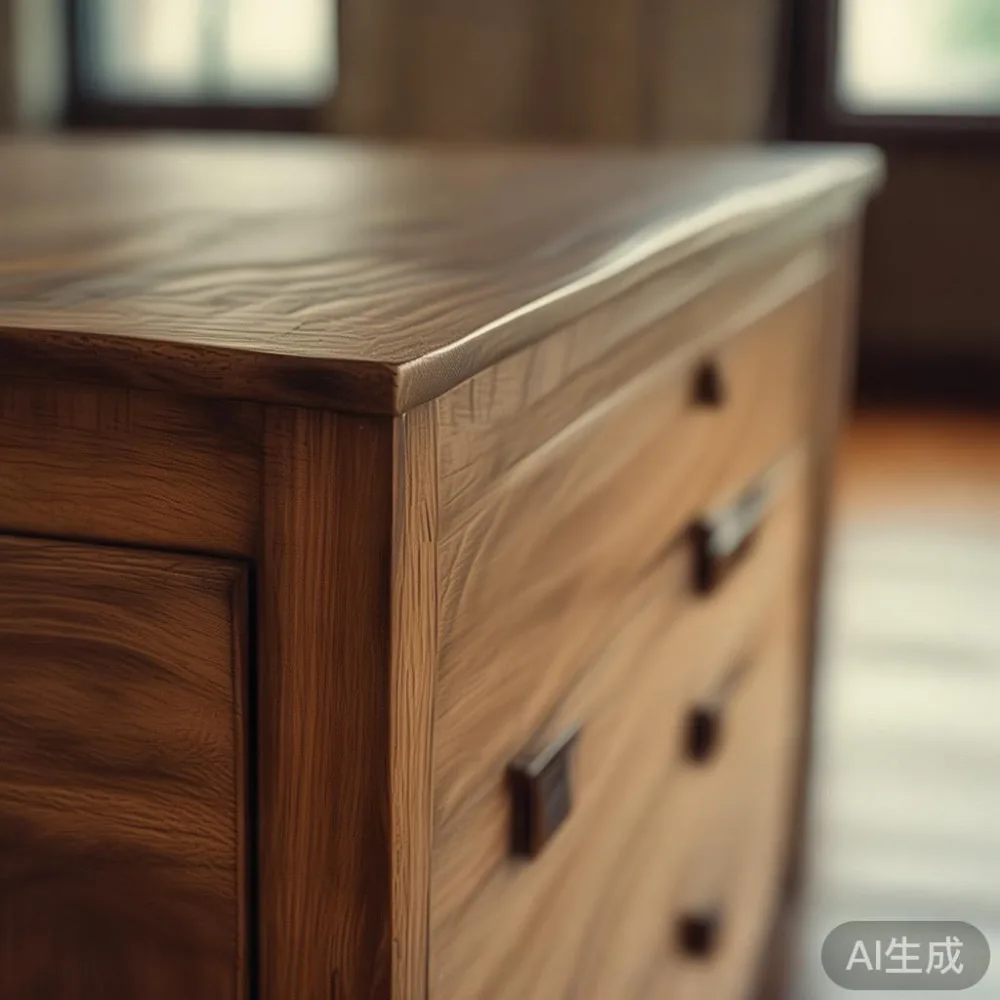
Once you have your key pieces, their placement is what will ultimately define the space. The golden rule is to create clear pathways. In a living room, the main walking path should be at least 80 cm wide to allow for comfortable movement. Avoid placing furniture directly in front of windows, as this blocks natural light, which is a small apartment's best friend for creating an airy feel. Instead, position sofas and chairs perpendicular to windows to maximise light reflection. Use mirrors strategically. A large mirror placed opposite a window will bounce light around the room, making it feel brighter and more expansive. For decor, less is more. Instead of many small ornaments, choose a few larger, sculptural pieces. A single, well-placed piece of art can have more impact than a gallery wall. For lighting, avoid relying on a single, harsh ceiling light. Use a combination of floor lamps, table lamps, and even wall sconces to create layers of light. This adds depth and warmth to the room without taking up floor space. A European for small living room approach often features a mix of lighting sources, from a central sculptural fixture to smaller, functional lamps, creating a sophisticated and inviting atmosphere.
A Personal Experience: Furnishing a Bedok Executive Condo
Last month, I visited my colleague, Sarah, who recently moved into a 75-square-metre executive condominium in Bedok. Her main complaint was that her living room felt cluttered. The previous owner had left behind a large, dark L-shaped sofa that filled half the space. We decided on a complete reset. We chose a light oak, low-profile solid wood sofa from a local maker, measuring just 160 cm in length. Its slender legs created a sense of lightness underneath. We paired it with a round marble coffee table on a slim metal base, which took up minimal visual real estate. For the dining area, which was part of the same open space, we selected a compact 110 cm round solid wood table with four stackable chairs. The result was transformative. The room felt instantly larger, brighter, and more elegant. Sarah mentioned that the GST on the new furniture was a consideration, but the long-term value and the 10-year structural warranty gave her peace of mind. The total cost for the sofa, coffee table, and dining set came to approximately SGD 4,500, with free shipping since it exceeded the SGD 350 threshold. The delivery took 14 days, which was perfect for her moving schedule.
Conclusion: Thoughtful Choices for a Beautiful Home
Styling a small Singaporean apartment is an exercise in intelligent design. It requires moving away from the idea that 'more is more' and embracing the principle that 'less is more'—when that 'less' is chosen with care. By selecting solid wood furniture with the right proportions, a light colour palette, and a strategic layout, you can create a home that feels spacious, sophisticated, and deeply personal. The goal is not to make your space look bigger through tricks, but to make it feel better through considered choices. A well-placed solid wood bed frame, a dining table that invites conversation rather than obstructs movement, and a sofa that anchors the room without dominating it—these are the elements that combine to form a truly harmonious and stylish home, no matter its size.