Warm and Minimal: Solid Wood Furniture Combinations
A warm minimal interior is not an empty room with a few expensive pieces. It is a carefully measured space where oak, walnut, teak, and other solid wood add texture without making a compact Singapore home feel crowded. The goal is a balance of 70% warm neutral surfaces, 20% tactile furniture, and 10% darker accents. At MIDHILL, this balance shapes our approach to solid wood furniture: restrained silhouettes, useful dimensions, natural grain, and finishes that age with character rather than looking dated after 3 years.
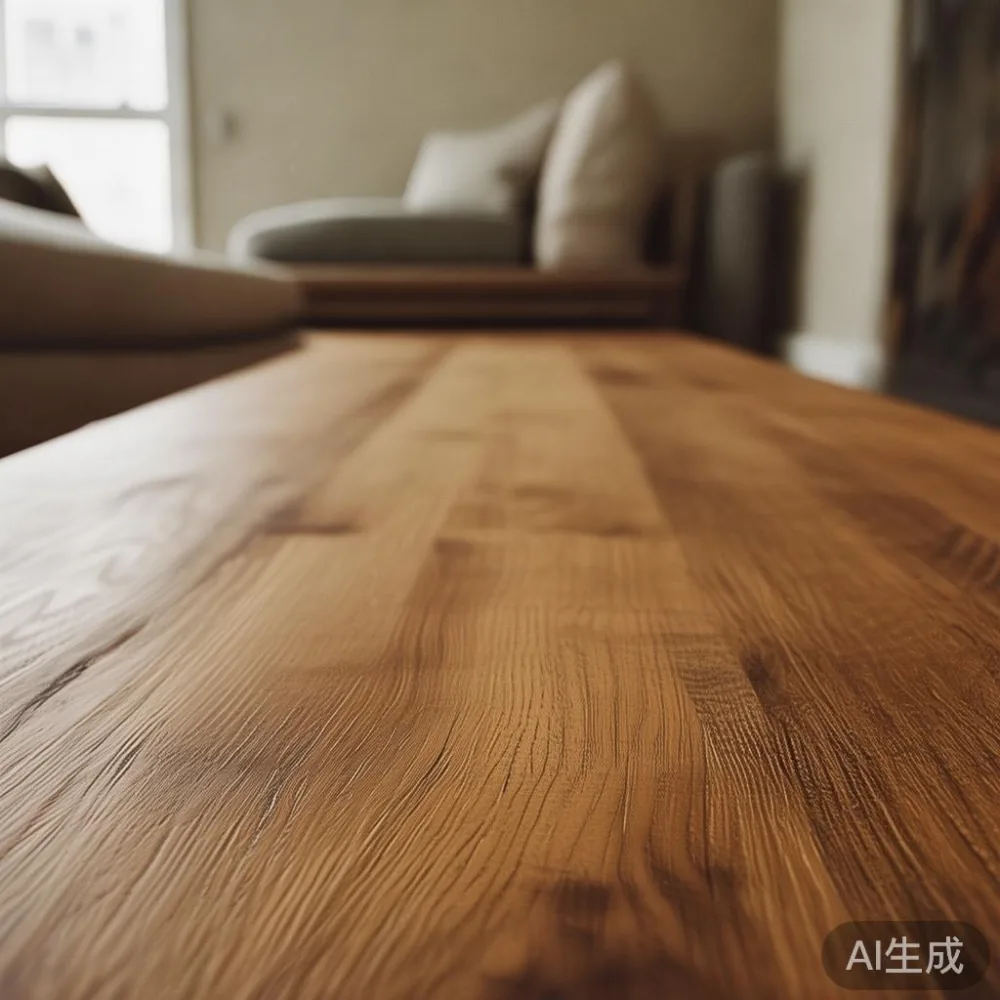
That balance matters most in Singapore HDB flats and condos, particularly around Tampines, Bedok, and Punggol. A room may look generous in a catalogue but become difficult once a 165 cm dining table must pass through a 110 cm lift opening, turn in a 125 cm corridor, and clear a 82 cm bedroom door. Warm minimalism succeeds through proportion, circulation, light, and repeatable materials, not through filling every wall with furniture.
How can I make a warm minimal HDB flat feel light rather than heavy?
The most useful rule is to choose 1 anchor piece for every major room, then add only what daily life requires. In a living room, a solid wood sofa with a seat height of 42–45 cm can carry the room while a 90–110 cm side table handles books and drinks. In a bedroom, a solid wood bed frame establishes the visual centre; a 45–55 cm nightstand should support a lamp and a charging point without competing with the bed.
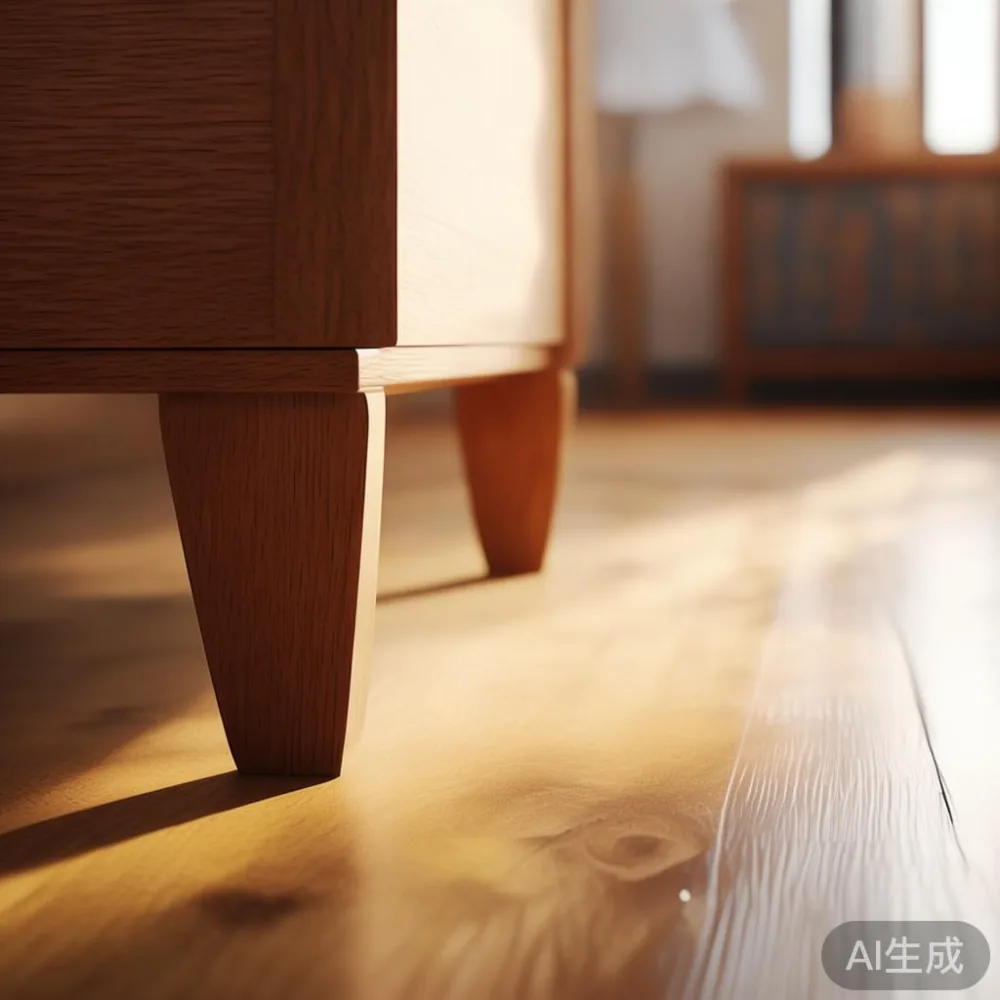
Warm minimalism also depends on visual weight. A low bed frame reduces the apparent height of a 240 cm wall, while a tall wardrobe uses vertical space efficiently. Open shelving can prevent a dining area from feeling enclosed, yet it should not exceed 3 display zones per wall. The result should feel composed, not staged: approximately 5–7 main furniture pieces in a typical 80–90 sqm HDB living and dining area, including circulation gaps of at least 75 cm.
Last month I visited a 3-room Tampines flat to check a dining table route for a customer. The packaged table measured 168 × 92 × 18 cm, while the lift opening was only 91 cm wide. We removed the lift's movable panel, protected the corners with 4 layers of cardboard, and tilted the carton through at a 35-degree angle. The table reached the dining area without damage, but only because the actual corridor and doorway had been measured before ordering. That experience reinforced a simple principle: a beautiful solid wood dining table is useful only if it can reach its final position.
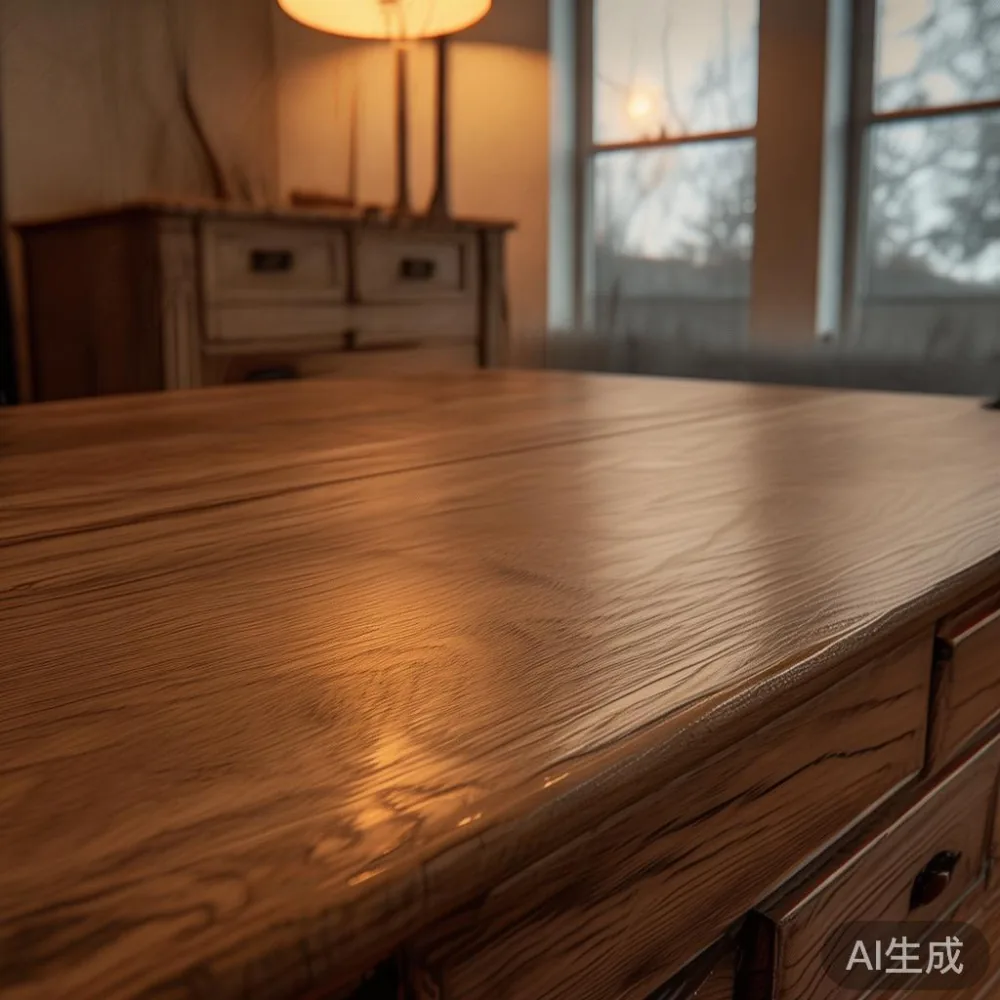
What dimensions should you measure before choosing solid wood furniture?
Measure the furniture in its packaged form, not only the assembled dimensions. For a dining table, record the box length, width, depth, and weight; allow at least 5 cm of clearance when turning through a 90 cm door. For a bed frame, check whether it arrives as 2–4 cartons and confirm the largest carton against the lift door, corridor corners, and bedroom doorway. A queen bed frame may unpack to 160 × 210 cm even if its sleeping surface is 152 × 203 cm.
Common HDB lift openings fall around 90–100 cm, but internal depth and turning space can vary from 110 to 140 cm. Corridors may be 110–150 cm wide, with projecting pipes, shoe racks, or fire hose cabinets reducing clearance. Bedroom doors are commonly 80–85 cm. Measure at 3 points: the narrowest corridor, the lift lobby turn, and the room threshold. If a dimension has less than 8 cm of tolerance, ask for a modular or flat-packed delivery plan before placing the order.
Also plan the space around the furniture. Leave 90 cm behind dining chairs for movement, 60 cm beside a bed on at least one side, and 75–90 cm in front of a wardrobe door when it opens 90 degrees. These numbers create comfort without the wasteful gaps found in showrooms. In compact condos, a 120 cm round dining table may seat 4 more efficiently than a rectangular table of the same maximum length because it needs no corner clearance for chairs.
How do you build a warm palette without making the room look beige?
Begin with a neutral base rather than 1 shade of beige. Warm white walls around a warm white ceiling can merge into a single field, so introduce contrast through 3 or 4 controlled materials. For example, pair light oak with off-white walls, oatmeal upholstery, charcoal metal details, and a small area of deep brown. Keep larger surfaces pale, reserve visible grain for the solid wood sofa frame or bed frame, and avoid adding more than 2 types of wood in the same sightline.
A practical palette might use 1 warm white, 1 stone grey, 1 oatmeal or taupe, 1 natural wood tone, and 1 accent colour. Matte finishes reflect less glare than high-gloss surfaces, which is useful under Singapore's bright light. Curtains in a breathable material can soften a 270 cm window, while a woven rug measuring 160 × 230 cm can anchor a 210 cm sofa. The rug should extend 20–30 cm beyond the sofa on each visible side rather than sitting like an isolated rectangle.
Do not make every object rustic. Warm minimal interiors often combine clean-lined pieces with 1 tactile element, such as a slatted oak nightstand, a linen upholstered sofa, or a marble table. French light luxury favours pale woods, curved edges, upholstered forms, and cream textiles; American light luxury leans toward generous scale, relaxed comfort, and deeper walnut tones; post-modern light luxury uses cleaner geometry with 1–2 expressive forms. The room can borrow from these styles while remaining recognisably suited to a compact Asian home.
How much wood grain and texture should a warm minimal room contain?
Use grain as a quiet pattern, not a competing decoration. A 200 cm solid wood dining table already shows a broad field of grain, so nearby pieces can have quieter surfaces or a different grain direction. In a master bedroom, a walnut bed frame may be balanced by a pale oak nightstand or a lacquered finish. The contrast should be deliberate rather than random.
Scale also changes the perception of texture. Narrow oak slats on a 45 cm nightstand create fine lines, while thick oak edges on a 180 cm dining table create larger blocks. Repeat 1 material at 2 scales: light oak across a dining table and cabinetry, plus warmer walnut on a smaller bed frame or side table. This gives cohesion across rooms without making the entire home look like a single furniture catalogue.
For mixed-material surfaces, a marble table can provide a cool counterpoint. Its veining should be busy enough to act as an accent but not so dramatic that it dominates a compact dining zone. A 90–110 cm round marble table can work beside a solid wood sofa, although the room needs at least 3 neutral colours to prevent the stone from feeling stark. A small marble side table can also bridge an oak bed frame and a black metal lamp.
Finish selection should account for maintenance. A light oak surface will reveal coffee rings and scratches more readily than a medium walnut tone. Satin or matte oil finishes soften reflections and repair more easily, while a darker stain may require colour restoration after 5–8 years of daily use. Request finish samples and test them under the room's evening lighting before approving a large table or wardrobe.
Which furniture works best in Tampines, Bedok, and Punggol homes?
For a typical 3-room HDB flat, the dining area often needs to serve as a circulation route and an eating zone. A 140–160 cm solid wood dining table seats 4–6 while leaving approximately 90 cm between the table edge and the nearest wall if chairs can be moved. If the room is narrower than 240 cm, consider a 120–140 cm table with a compact 45 cm chair depth rather than a larger table that forces chairs into the walkway.
In a Punggol condo with an open living and dining zone, repeat the same wood tone across 2 large pieces to unify the 25–35 sqm space. A solid wood sofa on a timber base can face a marble table, while an oak dining table continues the material story. Keep the sofa approximately 210–230 cm wide and leave 40–50 cm between it and the dining zone. This measured separation prevents the two areas from becoming visually crowded while maintaining a clear axis.
In Bedok family layouts, storage often matters more than decorative expression. A wardrobe with a depth of 55–60 cm can hold hanging garments without projecting too far into a bedroom. Its doors should open into a clear zone of at least 75 cm, and the carcass should sit on adjustable feet where floor levels vary by up to 2 cm. Above it, keep 25–35 cm of breathing space or install a single recessed shelf to avoid a heavy wall of cabinetry.
A master bedroom can feel calmer when the bed frame has a low visual profile. A 25–35 cm frame height makes the mattress easier to access and gives a 45 cm nightstand enough presence beside it. Add 1 lamp with a warm 2700K bulb and 1 textile such as a wool-blend throw measuring approximately 130 × 180 cm. Avoid 5 different bedside accessories; in a 10–12 sqm room, 2 functional objects per nightstand are usually enough.
What should Singapore buyers confirm before delivery?
Confirm the carton dimensions, gross weight, delivery path, assembly needs, and expected lead time in writing. For lifting, check whether the lift has a protective pad and whether the building requires a booked service slot. A 70 kg dining table may be moved by 2 people with a professional mover, but a 110 kg marble table may require 3 people, floor protection, and a service lift reservation at least 48 hours before arrival.
Singapore GST is currently 9%. If a dining table is quoted at SGD 1,800 before tax, the tax component is SGD 162, making the GST-inclusive amount SGD 1,962. Ask whether the quotation includes local freight, lift booking, assembly, and protection. International orders over US$350 qualify for free shipping under MIDHILL's published threshold, but a Singapore delivery quote should still state whether any import, customs, or last-mile charge is separate.
Check the service terms before confirming. MIDHILL provides a 10-year structural warranty and lifetime refinishing for eligible solid wood furniture, while qualifying purchases can be returned within 14 days. Ask what condition is required for a return, whether the original packaging must be retained, and how refinishing is arranged after use. Keep the order number, finish code, and 2–3 photographs of the furniture for any claim.
Delivery planning is part of the design decision. Add 3–7 days between the confirmed arrival date and an event involving the furniture, rather than treating the estimated day as guaranteed. For a dining table, allow at least 2–3 days after arrival for acclimatisation, assembly, and finish inspection before hosting a meal. If a piece must arrive in 10–14 days, request the production photograph, carton dimensions, and courier tracking method before paying the balance.
How should solid wood styles be compared for a warm minimal home?
When comparing European light luxury bed vs Italian light luxury bed, focus on construction and visual character rather than country labels alone. European light luxury often emphasises pale woods, upholstered headboards, and softly rounded profiles. Italian light luxury frequently features darker walnut, more disciplined geometry, and sharper architectural details. A warm minimal room can use the pale, gentle profile in a master bedroom and reserve darker walnut for 1 smaller storage piece in the living room.
The same practical approach applies to Japanese bed vs Nordic bed choices. A Japanese bed generally prioritises a low floor-level profile, clean lines, and efficient use of a compact footprint. A Nordic bed often uses visible timber, light textiles, and a slightly more open expression. For an 11–14 sqm bedroom, a platform-style solid wood bed frame with a 25–30 cm base can preserve more visual space than an oversized frame with a thick plinth.
If you are learning how to choose Japanese bed, start with the mattress and access route. Measure the mattress at 152 × 203 cm for a queen size, then allow several centimetres for the frame, ventilation, and bedding. Low beds suit compact rooms, but they should not block the 60 cm side access needed to make the bed. Confirm whether the slatted support requires a centre rail and whether the bed is assembled in the bedroom rather than in the corridor.
For the living room, luxury Mid-century modern furniture can introduce tapered legs, gentle curves, and a 1960s–1970s sense of proportion without overwhelming a smaller flat. Keep 1 such statement piece and anchor it with simpler solid wood furniture. A tapered-leg solid wood sofa works well if its volume remains modest and its upholstery repeats a colour already present in the curtains or dining chairs.
Dining offers another useful comparison. Searching for Industrial for dining room ideas may lead to black metal frames, exposed fasteners, and reclaimed-looking surfaces. In a warm minimal home, retain the clean structure but limit it to 1 element: perhaps a metal dining chair or slim lamp, while the dining table remains solid wood. This prevents the room from becoming visually loud after 6 months of daily use.
For a more decorative direction, 2026 French provincial furniture continues to reference carved edges, shaped fronts, and softened silhouettes. Rather than placing several ornate pieces together, select 1 light-toned piece with restrained detail and balance it with modern clean-lined storage. The contrast can feel fresh, especially when the province-inspired piece occupies only about 20% of the room's visible furniture mass.
How do you keep solid wood furniture warm and usable over time?
Use coasters rather than relying on a special finish to prevent damage. Place them under at least 90% of drinking vessels, and wipe spills within 15 minutes. Clean with a soft damp cloth, mild soap, and no silicone-based polish. Keep direct afternoon sun away from pale timber where possible, and maintain indoor relative humidity around 40–60%, especially in air-conditioned bedrooms where moisture levels can fall below 35%.
Inspect moving parts and fixings every 6–12 months. Tighten drawer runners, check wardrobe hinges, and rotate table runners so the same section does not receive constant sunlight. Minor marks can often be treated through MIDHILL's lifetime refinishing service, subject to the applicable terms. Avoid aggressive sanding or household bleach, because both can change the grain and colour irreversibly.
Plan maintenance before delivery too. Photograph the tabletop, finish, and joinery on arrival, and record the finish name. Keep care cloths, coasters, and felt pads in 1 drawer rather than storing them in several cupboards. Over 10 years, this simple routine preserves the warmth of the material and makes refinishing far easier than restoring neglected furniture.
What is the final checklist for a warm minimal Singapore home?
Before ordering, complete 6 checks. Confirm 3 room dimensions, including the narrowest route; select 1 dominant wood tone; repeat that tone in no more than 2–3 major pieces; leave circulation gaps of 60–90 cm; request finish samples and a full delivery breakdown; and record the warranty, refinishing, and return terms. For a dining set, verify chair pullback clearance, tabletop overhang, carton weight, and GST. For a bedroom, check bed access, wardrobe opening, nightstand reach, and lamp placement.
The aim is not to remove personality but to control contrast. A solid wood sofa can provide the main tactile surface, a bed frame can establish the bedroom rhythm, a dining table can anchor shared meals, and a wardrobe can absorb visual clutter. A nightstand adds function within reach of 45 cm, while a marble table introduces one cool material and a measured focal point.
MIDHILL's role in this process is practical: translating the scale of the room and the character of solid wood into pieces that can be delivered, assembled, used, and maintained for many years. For specifications, finish samples, or a delivery assessment, midhillco@gmail.com can provide a direct point of contact. A well-matched room usually follows 3 simple proportions: 70% warm neutral space, 20% natural wood, and 10% darker or decorative accents.