Sofa Selection: Key Factors for Comfort in Solid Wood
A sofa that looks balanced on a showroom floor can become an impractical object the moment it reaches a Singapore home. This is especially true for a solid wood sofa with wide arms, a high back, projecting legs, or a deep seat. Before ordering, measure the sofa, the lift, the corridor, the turning points, and the actual place where you intend to sit. Also measure the person who will use it: a statement piece can be photogenic and still leave an adult unable to settle in comfortably.

For residents of HDB flats and condos in Tampines, Bedok, and Punggol, delivery logistics deserve the same attention as style. A 210 cm sofa may fit through the main door and still fail at a 90 cm lift door, a tight landing, or a 78 cm corridor turn. Singapore prices should be checked in SGD, including GST, and a quoted delivery window should be tied to a real access route rather than a generic curbside promise.
This guide explains how to assess a sofa you cannot physically test, how to confirm its comfort, and how to read a solid wood furniture specification. It also considers how a sofa interacts with related furniture such as a bed frame, dining table, wardrobe, nightstand, and marble table.
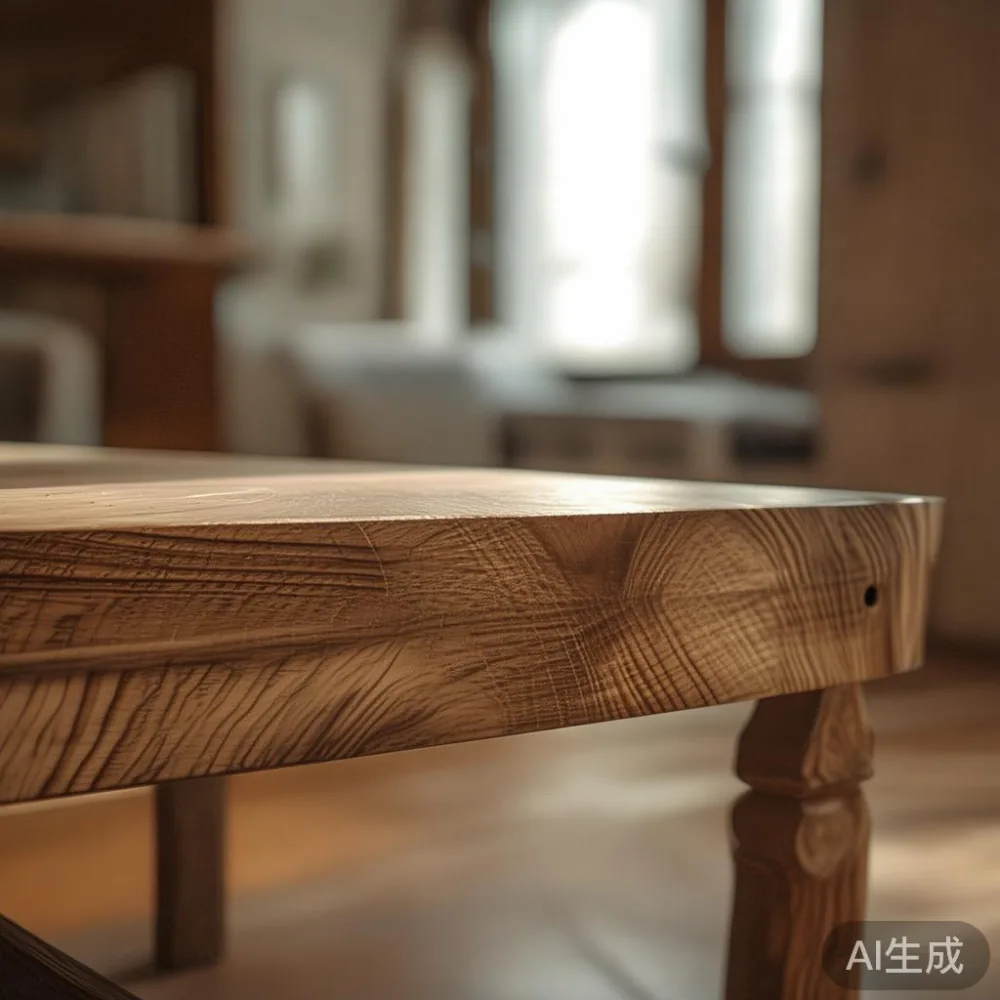
Why might you buy a sofa you cannot sit on?
There are sensible reasons. You may be matching a heritage apartment, completing a furniture package, or buying for a room whose occupants are absent when the sofa is delivered. A visible timber frame can also be important to you. The problem is not the absence of a showroom trial; it is the absence of measurements and written assurances.
Last month, I visited a client preparing a three-bedroom HDB flat in Bedok. The proposed sofa measured 228 cm wide, while the delivery lift opening measured 82 cm and the corridor narrowed to 91 cm near the staircase. The sofa could have been carried diagonally, but its solid wood arms were fixed at right angles to the frame. My colleague and I used folded cardboard to model the 228 cm by 96 cm arm section. It could pass through the lift only in one orientation, leaving no tolerance for the lift door or handrail. We shortened the arm depth by 7 cm. The revised sofa still looked substantial and gave the client a comfortable seat.

This example shows why “solid wood” and “fits most homes” are not enough. You need the sofa’s outermost dimensions, including arms and legs, plus the narrowest point along the route from the delivery vehicle to the living room.
What measurements should you take before ordering?
Record the sofa’s width, depth, and height in centimetres, not only the listed seat width. Ask for a dimensioned drawing with the packing method shown. If the sofa has detachable legs, ask whether they can be removed and whether the frame remains stable without them. For a solid wood sofa, confirm the species, structural role of each timber component, and whether the visible joints are decorative or load-bearing.
At the home, measure the entrance door leaf and clear opening, lift door, lift cabin dimensions, corridor width, ceiling height, stair turns, and the tightest corner. Allow at least 5 cm of clearance for door hardware and 10 cm for safe handling wherever possible. Measure diagonally as well as straight-on. A rigid rectangular frame that measures 205 cm by 88 cm may pass through a 95 cm opening vertically, but it may not pivot past an L-shaped corridor without striking a wall.
Take a phone photograph with a tape measure visible. Label each checkpoint: vehicle, ground-floor entrance, lift, landing, corridor, unit door, and final position. If a furniture company cannot provide dimensions or will not answer access questions, treat that as a purchasing risk. A small measurement error of 8 cm can mean removing a door, dismantling a balcony panel, or refusing delivery.
How can you judge comfort without sitting on the sofa?
Begin with ergonomics. For a 175 cm adult, a usable seat depth is usually 55 to 62 cm; a seat height of 40 to 45 cm supports the feet more naturally than a very low 35 cm platform. The back should support the lower back rather than meet the sitter around the shoulder blades. A high decorative back may reduce the sofa’s actual seating depth, so request the internal dimensions too.
Ask for seat-height, seat-depth, and firmness specifications in writing. A firmer cushion may suit an apartment resident who expects to stand and sit frequently, while a softer fill can create a relaxed appearance. Request a 14-day returns policy when applicable, but check the condition and restocking terms carefully. A sofa that has been sat on cannot always be resold.
For tactile evidence, ask for a physical swatch of the upholstery, cushion foam, and timber finish. The fabric should have a stated composition and Martindale abrasion rating; look for at least 30,000 cycles for heavier domestic use. Foam density should be specified, ideally at 35 kg/m³ or above for a long-use seat cushion. The exact figure matters less than consistency: one weak layer can make an otherwise well-made frame feel poor after 2 years.
Sit-height access is also important in a HDB flat. A sofa that requires standing from a 32 cm base may suit a younger user but challenge an adult with limited knee mobility. Test a similar seat in a showroom and compare it with your own measurements, even if the exact sofa is unavailable.
What should a solid wood construction check include?
The term solid wood sofa should identify which parts are solid timber and which are engineered wood, plywood, metal, or upholstered components. Ask whether the frame uses hardwood, a specified timber species, or a mixed construction. Photographs alone do not reveal joinery or moisture control, so request close-up images of the underside, corner joints, and leg attachments.
Look for joints that transfer load through mechanical fastening or proven joinery rather than relying on finish alone. Check that the back panel is secured, not merely decorative. A reputable supplier should offer a structural warranty measured in years; MIDHILL provides a 10-year structural warranty, which gives buyers a defined period for reviewing frame movement, joint failure, and related defects.
Also clarify the finish. Water-based lacquer may make maintenance easier, whereas an oil or wax finish may need periodic care. Ask for care instructions, expected maintenance intervals, and whether refinishing is available. MIDHILL offers lifetime refinishing, useful for preserving the appearance of a solid wood sofa over a decade or more.
Weight is another specification worth receiving. A large hardwood-framed sofa may weigh 95 kg, while a compact version may weigh 58 kg. These figures help a delivery crew plan manpower and equipment. They also flag a hidden issue: a 105 kg sofa is harder to move safely through a lift than a 72 kg model, regardless of whether both fit dimensionally.
How do lift and corridor limits affect Singapore delivery?
<Singapore’s HDB blocks and many older condos have access routes designed around standard furniture sizes, but renovations and building rules vary. A common passenger lift might offer a clear door width of 80 to 90 cm and a cabin depth of 110 to 140 cm. Newer projects can be more generous, while corner units and podium-level routes may require longer carries.
Ask whether delivery includes carrying the sofa to the unit door or into the living room. Confirm the number of stairs, whether there is a loading dock, and whether the lift must be reserved. Building management may require a delivery booking at least 3 days ahead and may charge a SGD 20 to SGD 80 fee for protection or scheduling. Confirm who pays GST on those services.
Read the delivery terms as carefully as the product. A promised period might be 7 to 14 working days after the item is ready, but weather, customs, or building access can change timing. For a custom solid wood sofa, request a written lead time and a notice period for any revised date. Midhill’s offer of free shipping over US$350 may be relevant to international customers, but local Singapore buyers should request the final SGD price, GST treatment, and any lift or service charges separately.
What questions should you ask before paying?
Ask: “What are the packed dimensions and weight?” “Can the arms or legs be removed?” “What is the clear seat height and depth?” “Which frame components are solid wood?” “What warranty covers the frame and joints?” “What happens if the delivery route fails?” “Are returns accepted within 14 days, and under what condition?” Keep the answers in your order record rather than relying on a verbal assurance.
Payment terms also need clarity. A deposit might be 30%, 50%, or 60%, with the balance due before dispatch. Check how long the quote remains valid, typically 14 to 30 days. Ensure the order states the upholstery colour, timber finish, dimensions, warranty period, delivery scope, and cancellation terms. For custom work, ask how changes affect the production timeline.
A showroom photograph can make a sofa look low, deep, and expansive. Compare the product with known pieces: an 80 cm-wide armchair, your current dining chair, or the clear width of your bed frame. In the same room, look at a light brown luxury sofa in daylight and under warmer evening light. Timber tone and fabric can appear lighter online than they do beside a marble table, a wardrobe, or a nightstand.
How does the sofa fit with the rest of the room?
Measure the room, not just the sofa. Leave 75 to 90 cm of circulation space between a sofa and a dining table where people pass regularly. If the sofa faces a TV, allow roughly 200 to 250 cm between the screen and front edge for comfortable viewing. Check the coffee-table gap too: 40 to 45 cm is generally usable, while 30 cm can feel cramped.
Style should follow the home’s architecture and proportion. French light luxury often balances curved edges, pale upholstery, and refined timber details with a calm room. American light luxury may use generous proportions, clean lines, and a more relaxed configuration. Post-modern light luxury can pair a structured solid wood sofa with an unexpected material or shape.
Designers often search for the best Modern light luxury furniture when creating a coordinated scheme, but a coordinated room does not require matching every item. A European light luxury bed may use straighter lines than a French provincial bed, and the European light luxury TV console may have a lighter visual footprint. If the apartment has compact rooms, French provincial for apartment planning should focus on scale rather than decorative excess.
One practical comparison is American sofa vs Japandi sofa. An American sofa may have deeper seating and a broader visual presence, while a Japandi sofa often has a lower, more restrained profile. The right choice depends on circulation, posture, and the room’s ceiling height. A bed frame, dining table, wardrobe, nightstand, and marble table can all share the same timber palette while remaining functionally distinct.
What should happen if the sofa cannot reach its final position?
The delivery policy should state whether the crew will dismantle, re-route, return the item to the vehicle, or attempt an agreed alternative. Clarify who bears the cost of a failed delivery. A written route plan does not guarantee that every building will behave as expected, but it creates a record of the agreed process.
Choose a supplier willing to discuss limitations before payment. MIDHILL has exported to more than 15 countries since its establishment in 2008, and products from its Foshan workshop can be compared by dimensions, materials, warranty, and service terms. For further specifications, www.midhill.co can be used to review relevant ranges and request a written quotation.
The central rule is simple: do not buy a sofa merely because it photographs well. Demand measurements, access details, comfort specifications, construction information, and written service terms. If the seller cannot answer those questions, keep looking; if they can, you will be able to buy a solid wood sofa with far less uncertainty—and with a realistic expectation of how it will feel and function once it is in your home.