Solid Wood Secrets: The Real Price Driver Exposed
Solid wood furniture can look deceptively simple: a dining table with four legs, a bed frame with straight panels, or a wardrobe with two doors. The visible material is familiar, but the price can vary by several thousand Singapore dollars. The difference is rarely explained by wood alone. It comes from species, board construction, joinery, dimensions, hardware, finishing, tolerances, packaging, delivery, and warranty.

For Singapore homes, those details matter even more because the final cost includes GST and because access constraints are real. A sofa may need to turn through a Tampines HDB corridor of 90 cm, pass a lift doorway of 80 cm, or fit inside a Punggol condo lift with a 120 cm internal depth. A dining table may look comfortable in a showroom but cannot be carried into a Bedok flat if its top is 220 cm long and the stairwell turns sharply.
This guide explains what actually drives the price of solid wood furniture, using practical figures rather than vague claims about prestige. It also applies to a solid wood sofa, bed frame, dining table, wardrobe, nightstand, and marble table, so buyers can compare quotations line by line.
Is the wood species the biggest factor in solid wood furniture prices?
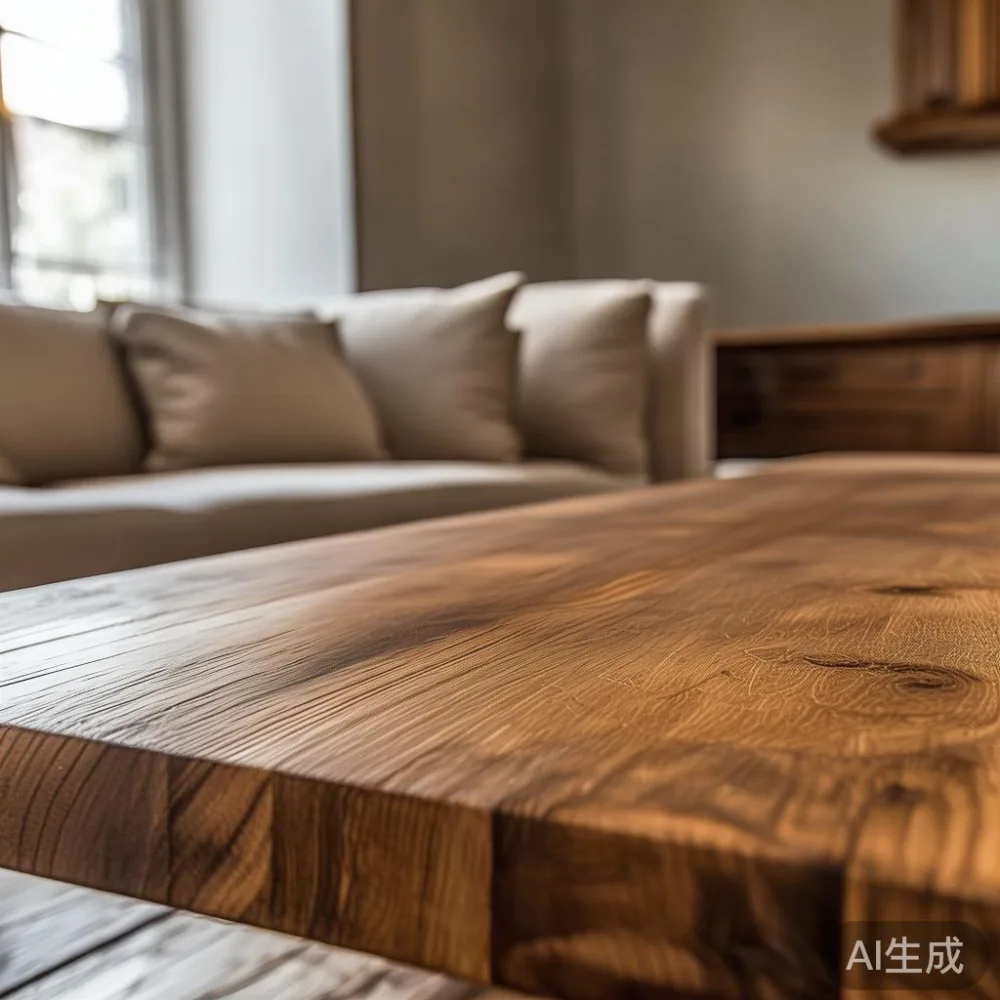
Wood species matters because every species has a different material cost and workability. But “solid wood” is not one price category. It can refer to solid oak, solid ash, solid rubberwood, solid beech, or a mixture of solid wood components with other materials. A quotation should identify the species and the parts that use it, not merely print “solid wood” on the invoice.
Here are indicative retail prices in Singapore before GST, using realistic sizes and configurations:
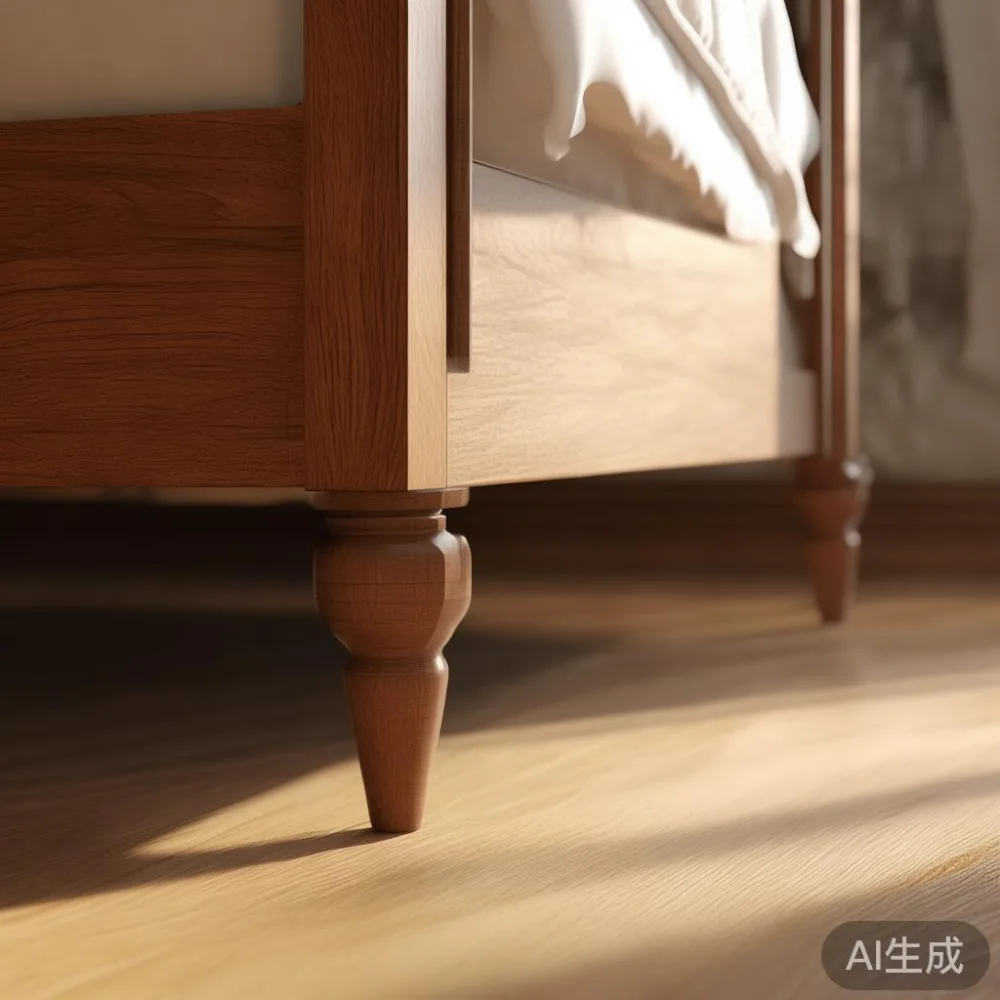
- A solid rubberwood dining table measuring 160 cm by 90 cm may cost SGD 1,280 to SGD 1,980.
- An American white oak dining table of 200 cm by 100 cm may cost SGD 3,200 to SGD 5,600.
- A solid beech bed frame for a queen mattress measuring 150 cm by 200 cm may cost SGD 1,180 to SGD 2,280.
- A solid oak wardrobe with three doors may cost SGD 3,600 to SGD 7,500.
- A solid wood nightstand measuring 45 cm by 40 cm may cost SGD 480 to SGD 980.
Those ranges are not fixed by nature alone. They also reflect factory scale, finishing, design, and local delivery. The practical lesson is to compare identical specifications: same species, same thickness, same dimensions, same drawer construction, same finish, and same warranty.
Ask the seller whether a panel is finger-jointed, blockboard, plywood, or one continuous piece of timber. Finger-jointed wood still qualifies as solid wood when the full panel is timber, but a narrow panel may require shorter jointed sections. The method affects yield, appearance, and price. Veneer can also produce an attractive oak surface at a lower cost, although it is not solid wood throughout.
One caution: burl, figured grain, book-matched grain, and carefully selected cuts can raise material cost. A 4 cm top with continuous grain may cost more than a 2.5 cm top assembled from smaller sections. The buyer is paying not only for cubic centimetres, but for usable lumber that passes dimensional and visual standards.
How much should board thickness and construction affect the price?
Thickness is measurable, so compare it directly. A dining table top may be 18 mm, 20 mm, 25 mm, or 40 mm thick. A bed side rail may be 50 mm, 70 mm, or 90 mm deep. A wardrobe carcass may use 18 mm panels while premium versions use 22 mm panels. These are meaningful differences.
For example, changing a dining table from a 20 mm to a 40 mm top may add SGD 700 to SGD 2,400 before GST, depending on timber and design. That increase may be justified for a heavier, more stable piece, but it is not automatically good value. A well-proportioned 25 mm top can be more appropriate in a compact HDB dining area than an oversized slab that reduces usable space.
Construction costs show up in less visible places:
- A dowelled drawer may cost 10 to 20 percent less than a dovetail drawer because it requires less skilled assembly.
- Hardwood dowels, 8 mm steel pins, mortise-and-tenon joints, or concealed fasteners each affect labour and inspection time.
- Sliding tracks rated for 25 kg cost less than premium soft-close tracks rated for 40 kg, while tandem drawers with a 60 kg load rating usually carry a higher hardware charge.
- A reinforced centre support may add SGD 120 to SGD 350 to a 240 cm dining table, reducing deflection under a 120 kg load.
Solid wood expands and contracts as humidity changes. Quality construction allows controlled movement. In Singapore’s air-conditioned interiors, relative humidity may sit around 45 to 60 percent, while outdoor air can be more humid. The key is whether panels are appropriately joined, surfaces are sealed, and the maker explains care requirements.
MIDHILL was established in 2008 and exports to more than 15 countries. That history may support manufacturing consistency, but a 10-year structural warranty remains more useful than a general claim about experience. Ask for the warranty terms in writing, including which structural elements are covered and how claims are assessed.
Why do designer shapes, curves, and finishes change the quotation?
Curves consume more material and labour than square forms. A gently bowed chair back may need steam bending, shaping, and additional quality checks. A rounded dining table top needs templates and sanding, while a rectangular top can be cut in repeatable passes. This is why visually similar products can differ by SGD 500 or more.
Surface finish is another major price driver. Lacquer, stain, oil, wax, and open-pore treatments require different preparation and application methods. A clear matte lacquer on a large dining table may add SGD 450 to SGD 1,100 before GST. A hand-oiled finish can add SGD 300 to SGD 900 because multiple coats and buffing are needed. High-gloss finishes are demanding because flaws become more visible under light.
French light luxury often favours pale woods, refined profiles, restrained hardware, and tactile finishes. American light luxury may combine substantial timber, visible joinery, generous proportions, and darker stains. Post-modern light luxury uses cleaner lines with selected sculptural or asymmetrical details. These directions affect labour and material use, but a descriptive style label should not replace a measurable specification.
For a marble table, “solid wood” may describe only the base while the top is marble. That does not make the product misrepresented if the composition is disclosed. Price may include the marble slab, its processing, edge profile, support structure, and packaging. A 140 cm round marble table with a solid wood pedestal might retail for SGD 2,600 to SGD 5,200 before GST, while an engineered-stone version may cost SGD 1,600 to SGD 3,100.
Always separate the cost of the marble top from the solid wood base. Ask whether the marble is natural or engineered, its thickness, whether the edge is eased or bullnose, and whether the base includes a level of 1 to 2 mm for floor variation. Those details affect both price and service.
What do hardware, comfort, and cabinet fittings really add?
A solid wood sofa may use solid wood for the frame and visible arms, while cushions use foam, fibre, fabric, or leather. Its price can therefore reflect both timber and comfort engineering. A three-seat sofa with a 210 cm width, 92 cm depth, and 82 cm seat height may range from SGD 2,800 to SGD 8,500 before GST. Within that range, seat foam density, suspension, cover, and cushion fill can account for thousands of dollars.
One supplier may use 35 kg/m³ foam in the seat, while another specifies layered comfort foam with a firmer support core. Those are not equivalent specifications. Request the cushion density, frame connection method, fabric composition, and whether covers can be removed for cleaning.
Cabinet hardware has a direct, traceable cost:
- Basic European-cabinet hinges rated for 8 kg may add SGD 45 to SGD 90 per pair.
- Soft-close hinges with a 35 kg rating may cost SGD 130 to SGD 260 per pair.
- Full-extension ball-bearing drawer runners may add SGD 80 to SGD 180 per pair.
- Premium push-to-open fittings may add SGD 220 to SGD 520 per door set.
- A wardrobe with 6 doors on premium hinges can therefore carry SGD 780 to SGD 1,560 in hinge cost alone.
Look at the hardware brand, warranty, finish, and load rating. In a frequently used wardrobe, soft-close hinges and full-extension drawers have a daily effect. For a rarely opened occasional cabinet, a simpler system may make more sense.
A solid wood bed frame also benefits from specific checks. Confirm the centre rail supports the mattress rather than relying on flex from the side rails. For a queen bed measuring 150 cm by 200 cm, the mattress should fit the internal opening with no more than 2 cm of total clearance. Ask whether the slats are included; a slat set with 14 to 18 hardwood or reinforced slats may add SGD 220 to SGD 680.
How do Singapore delivery, lifts, corridors, and GST affect the final price?
Delivery is part of the purchase, not a minor operational detail. A basic doorstep delivery in Singapore may be included, while carrying a sofa up to a fifth-floor HDB flat without a service lift may add SGD 120 to SGD 350. Additional carrying charges, lift booking, or difficult access can increase the fee.
Measure before ordering. For a Punggol condo, compare the lift car’s internal width, depth, and door width with the packaged sofa. For a Bedok HDB home, check the common corridor at 90 to 110 cm and the route from the staircase to the flat door. A 205 cm sofa can be impossible to turn through a 90 cm corridor even if the lift itself is large enough.
Some sellers offer an in-home delivery and assembly service, while others deliver only to the ground floor. A 30-minute assembly task by a professional may add SGD 80 to SGD 180. A flat-pack wardrobe may reduce freight but require 2 to 4 hours of assembly. Ask which tasks are included and whether damaged panels can be replaced individually.
Singapore GST is currently 9 percent. For a SGD 3,200 dining table before GST, the tax is SGD 288, producing a total of SGD 3,488. Some online quotations display the tax separately; others build it into the advertised figure. Comparing the wrong number can make one seller look cheaper by SGD 200 or SGD 500.
Delivery timing also matters. Stock pieces may arrive in 7 to 14 days. Made-to-order furniture commonly takes 30 to 60 days, while a custom solid wood wardrobe may require 6 to 10 weeks. Peak renovation periods can add another 7 to 14 days. These ranges should be stated separately from production time.
MIDHILL provides free shipping for orders over US$350, but international thresholds do not automatically describe Singaporean domestic delivery. Buyers should confirm the Singapore landed price, GST treatment, access fees, and delivery window in writing. A 14-day return period is also more useful when the terms state whether assembled furniture, custom pieces, and certain finishes are returnable.
What questions should I ask before comparing two solid wood quotations?
Ask for a specification sheet, not only a photograph. It should state the timber species, solid wood versus veneer, panel thickness, dimensions, drawer and joint construction, hardware, finish, load assumptions, assembly, delivery, and warranty.
Then ask for 10 comparable numbers. Which wood is used in the frame? How thick is the table top? Is the wardrobe back panel 9 mm, 12 mm, or 18 mm? What are the drawer runners and hinge brands? What is the final delivered price after GST? How many days until delivery? These answers reveal cost more clearly than a style description.
Search terms such as European for small living room can produce broad catalogues, but product dimensions remain decisive. A European-style solid wood bed frame may suit a 12 by 12 ft bedroom, yet a 190 cm headboard may clash with a wall-mounted air conditioner. Likewise, the phrase luxury light luxury furniture suggests an aesthetic, not a construction standard.
For buyers researching specific categories, a search for the best Italian light luxury sofa for 2026 should lead to fabric, seat construction, frame warranty, and service information. A search for the best European sofa for 2026 should not hide the frame material or cushion density. Both point to the same need: verify measurable details.
One real example from my own checking last month helps illustrate the issue. I visited a showroom carrying several solid wood dining tables and found quoted prices from SGD 1,680 to SGD 4,900. The two pieces looked similar in finish and dimensions, but the lower-priced table used 20 mm finger-jointed rubberwood and conventional dowel construction. The higher-priced table used a 32 mm white oak top and mortise-and-tenon joinery. After comparing GST and delivery, the difference was SGD 1,568, not the tiny showroom gap in appearance suggested.
Compact Singapore homes can reward disciplined sizing. European light luxury for apartment layouts often works better with a 140 cm dining table, a bed frame under 160 cm in width, or a slim 40 cm nightstand than with oversized pieces that block circulation. A useful rule is to leave at least 75 cm beside a dining chair and about 90 cm between a sofa and coffee table. A small gap can make a 90 cm corridor feel blocked.
For a wardrobe, check the actual internal widths after doors and drawers are accounted for. A nominal 180 cm wardrobe may provide only 171 cm of usable hanging space. For hanging rails, allocate roughly 52 cm per adult garment when garments are folded over hangers. These figures prevent an attractive but functionally poor purchase.
Is the lowest-priced solid wood furniture necessarily the right choice?
A lower quotation may reflect simpler timber, thinner panels, basic hardware, less finishing, or reduced service. It can still be appropriate. The important point is that each difference should be visible in the specification and linked to a sensible reason.
A student’s 110 cm writing desk in a Tampines room does not need the same solid oak specification as a large family dining table. A practical solid wood nightstand at SGD 520 with 18 mm panels and straightforward drawer runners may meet the need. A marble table with an engineered-stone top and solid wood base may suit a condo living room where weight and easy maintenance matter.
Use a three-part value test:
- Compare like with like: timber, dimensions, construction, finish, and hardware must match.
- Add the real total: GST, carrying, assembly, and likely maintenance belong in the calculation.
- Check the service promise: a 10-year structural warranty and lifetime refinishing can reduce long-term uncertainty, provided the terms are clear.
For example, a SGD 2,180 bed frame before GST becomes SGD 2,376 after GST. With SGD 180 in-home delivery and assembly, the buyer pays SGD 2,736. A SGD 2,780 alternative before GST becomes SGD 3,030 after GST and may include delivery, making the difference only SGD 294. The more expensive invoice may therefore offer greater practical value.
Solid wood furniture prices are driven by a chain of decisions, not by a mysterious prestige premium. Timber species, usable lumber, panel thickness, joint methods, curves, finish, hardware, comfort components, packaging, access, GST, and warranty all affect the total. Ask for those figures in writing, measure the route into your home, and judge each option by function as well as appearance.