The Silent Dance of Wood: Understanding Humidity's Impact on Solid Wood Furniture in Singapore
For anyone who has called Singapore home, the air is a constant presence—thick, warm, and ever-present. It's the humidity, a force that shapes everything from our choice of clothing to the way we feel on a muggy afternoon. This same atmospheric condition, however, engages in a more subtle, more intricate dance with the solid wood furniture in our homes. It's a relationship of expansion and contraction, a silent conversation between nature and craftsmanship. Understanding this dynamic is not merely academic; it is the key to preserving the beauty, integrity, and longevity of the pieces that furnish our lives, from the solid wood sofa in our living room to the wardrobe in our bedroom.
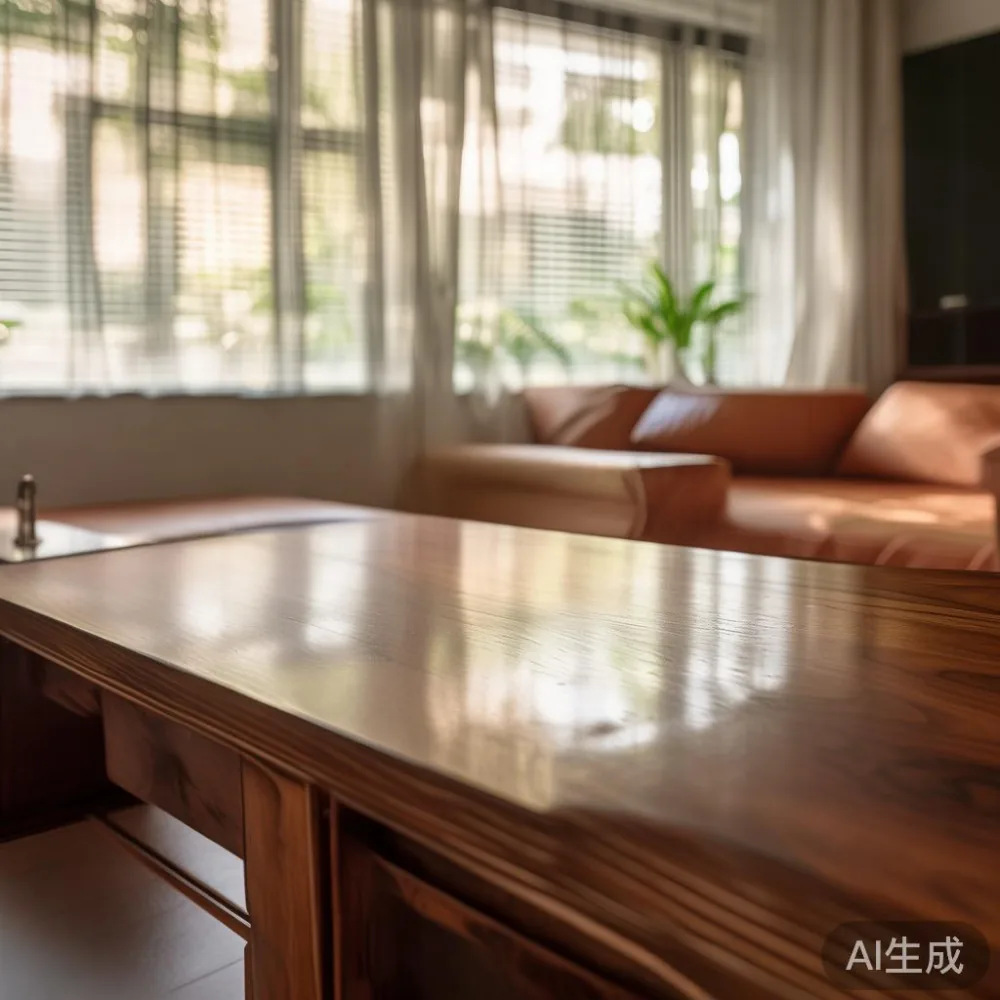
Why Does Humidity Affect Solid Wood Furniture So Much?
The answer lies in the very essence of wood. Unlike plastic or metal, wood is a hygroscopic material, which is a fancy way of saying it is always absorbing and releasing moisture from the surrounding air. A tree grows with cells designed to transport water and nutrients. When that wood is harvested and crafted into furniture, these cells retain their ability to interact with humidity. In high humidity, like that of a Singaporean HDB flat in Tampines, wood absorbs moisture, causing its cells to swell. The wood expands. In low humidity, it releases moisture, and the cells shrink, causing the wood to contract. This natural movement is a fundamental characteristic of solid wood, not a defect.
The degree of this movement varies depending on the wood species. Hardwoods like oak, walnut, and teak, which are commonly used in high-quality furniture, are generally more stable than softwoods like pine. However, no wood is completely immune. The challenge for furniture makers and owners is not to stop this movement entirely, but to manage it in a way that preserves the furniture's structure and appearance. A well-constructed solid wood dining table, for instance, is built with this movement in mind, featuring techniques like floating panels and slotted screw holes that allow the tabletop to expand and contract without cracking the frame.
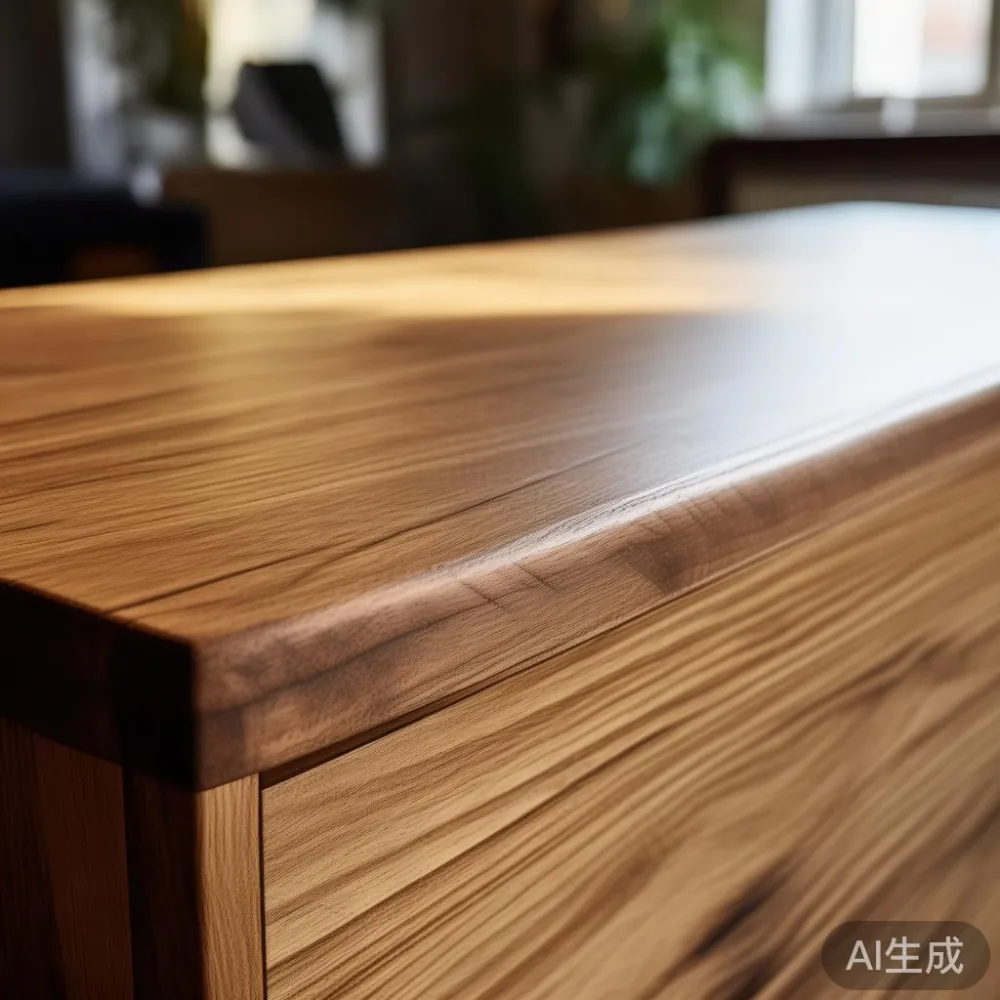
What Does High Humidity Actually Do to Your Furniture?
In Singapore's consistently high humidity, often hovering between 70% and 90%, solid wood furniture is in a constant state of slight expansion. While this might sound harmless, the effects can accumulate over time, especially if the furniture is not properly cared for. The most common and visible effect is 'cupping' or 'crowning.' This occurs when the surface of a wooden panel, like a tabletop or wardrobe door, absorbs more moisture on one side than the other. The wetter side expands more than the drier side, causing the panel to warp. You might notice the edges of your dining table are slightly higher than the center, or that a flat-fronted door has a slight curve.
Another issue is the potential for mould and mildew. The porous surface of wood can trap moisture, creating an ideal breeding ground for these fungi. This is particularly a concern in areas with poor ventilation, such as the interior of a wardrobe or the back of a solid wood sofa placed against an external wall. Mould appears as dark spots or a fuzzy film, not only staining the wood but also posing a health risk. Beyond these surface-level issues, prolonged exposure to high humidity can weaken the wood's cellular structure over many years, potentially making it feel softer or less durable than it was new.
Is It True That Air Conditioning Can Damage Solid Wood Furniture?
This is a question we hear frequently from our customers in Singapore, and the answer is nuanced. Air conditioning is a double-edged sword. On one hand, it provides welcome relief from the heat and can reduce indoor humidity levels, which can be beneficial for wood. On the other hand, the rapid and drastic fluctuation in humidity caused by switching the air conditioner on and off can be more damaging than a consistently high-humidity environment.
Imagine a scenario: you leave your Punggol condo for the day, closing the windows and turning off the AC. The indoor humidity rises. When you return in the evening, you blast the air conditioning to cool the room down quickly. The wood furniture, which had expanded in the warm, humid air, is now subjected to a sudden, dry blast of cold air. This rapid contraction can cause stress, leading to small cracks, known as 'checking,' especially on the ends of wood grains or in thinner pieces like a nightstand. The key is not to eliminate air conditioning, but to use it consistently. Maintain a stable temperature and allow the humidity to fluctuate gradually rather than in extreme swings.
How Can You Protect Your Solid Wood Furniture in Singapore's Climate?
Protecting your investment in solid wood furniture is about creating a stable environment and performing regular, simple maintenance. The first step is to control the climate as much as possible. Use a dehumidifier in particularly damp areas like the bedroom or study, especially during the monsoon season. Ensure your home is well-ventilated. On dry days, open the windows to allow air to circulate. For pieces in direct sunlight, like a marble table or a sideboard near a window in a Bedok apartment, use curtains or blinds to filter the UV rays, which can cause the wood to fade and become brittle over time.
Regular care is just as important. Dust your furniture weekly with a soft, lint-free cloth to remove abrasive particles that can scratch the surface. For cleaning, use a slightly damp cloth followed immediately by a dry one to prevent moisture from soaking into the wood. Avoid harsh chemical cleaners or ammonia-based products, as they can strip the wood's natural oils. Applying a high-quality furniture wax or polish every 4-6 months creates a protective barrier that helps seal the wood from moisture fluctuations. It also nourishes the wood, keeping its lustre intact. For example, applying a coat of wax to a European light luxury accent chair can help maintain its rich finish against the humid air.
What Should I Look for When Buying Solid Wood Furniture for a Humid Climate?
When selecting furniture for your Singapore home, the construction is far more important than the style alone. A poorly made piece of solid wood furniture will fail quickly in this climate, regardless of its beauty. Look for signs of quality craftsmanship. Check the joints; dovetail joints in drawers and mortise-and-tenon joints in frames are indicators of superior construction that can withstand movement. The finish is also critical. A multi-layered, hand-rubbed lacquer or oil finish provides better protection against humidity than a simple, sprayed-on varnish. Ask the seller about the wood's origin and its known stability in humid conditions.
Practicality is also key. Consider the size of your space. A large, ornate French provincial dining table might look stunning, but if your HDB flat's lift and corridor are narrow, you'll face a delivery nightmare. Measure your doorways and hallways carefully. A good rule of thumb is that the corridor width should be at least 20 cm wider than the widest point of the furniture piece. Also, consider the delivery process. A reputable company will offer clear information on delivery times, typically within 7 to 14 business days for a piece like a solid wood bed frame. They should also provide a clear returns policy, such as a 14-day window, allowing you to inspect the furniture in your home environment before committing.
Real Experience: A Wardrobe's Journey from Showroom to Singaporean Home
Last month, I visited our partner showroom to understand the challenges customers face. I spoke to Mei Lin, a colleague who recently helped a client in a new condo choose a wardrobe. The client was worried about humidity, having had a bad experience with a particleboard wardrobe that warped and fell apart. Mei Lin guided her towards a solid oak wardrobe. 'The key,' Mei Lin explained, 'is the design. We chose a model with a full back panel and a slatted interior back. This allows air to circulate inside, preventing moisture from getting trapped. The doors use a special type of hinge that allows for expansion without the door binding.' The client was also concerned about GST, so Mei Lin provided a clear, itemized quote. The wardrobe cost SGD 3,800, with 9% GST added, for a total of SGD 4,142. The client opted for white-glove delivery, which included assembly in her bedroom, for an additional SGD 150. The entire process, from order to installation, took 12 days. It was a perfect example of how the right product knowledge can solve a real-world problem for a customer in our specific climate.
Can Solid Wood Furniture Be a Good Long-Term Investment in Singapore?
Absolutely. While the initial cost of a high-quality solid wood dining table or wardrobe might be higher than its mass-produced counterparts, it is an investment that pays dividends over time. Solid wood furniture is incredibly durable. Unlike flat-pack furniture that might need to be replaced in 5-7 years, a well-crafted solid wood piece can last for decades. It develops a patina, a unique character that tells the story of your life. scratches and minor dings from everyday use add to its charm, rather than detracting from it.
Also, reputable brands stand behind their products. A 10-year structural warranty, for instance, provides peace of mind, protecting you against defects in craftsmanship. The offer of lifetime refinishing is another significant benefit. If the finish on your solid wood sofa becomes worn over 15 or 20 years, it can be sanded down and refinished to look brand new, a service that is impossible for furniture made of veneer or laminate. When you factor in these benefits and the extended lifespan, the cost per year of ownership for a piece of solid wood furniture is often lower than for cheaper alternatives.
How to Style and Maintain Your Furniture for Maximum Longevity
Styling your home with solid wood furniture is an opportunity to create a space that is both beautiful and resilient. For a light luxury aesthetic, you might pair a minimalist American light luxury bed frame with a marble-topped nightstand. The cool, hard surface of the marble provides a beautiful contrast to the warmth of the wood and is less susceptible to humidity-related issues than a fully wooden piece. In a dining area, a solid wood dining table can be the centerpiece, complemented by chairs with leather or upholstered seats that offer comfort and a modern touch.
Maintenance, as discussed, is about consistency. Wipe up spills immediately, as leaving a liquid on the surface, even for a few hours, can cause a permanent watermark. Use coasters under glasses and placemats under hot dishes or plates with sauces. Every 6 months, move your furniture slightly to change the light exposure and prevent uneven fading. For those who appreciate a specific style, understanding how to integrate it into a humid environment is key. For example, learning how to style a Japanese wardrobe in an apartment involves using it in a room with good airflow and perhaps placing a small, moisture-absorbing bag inside. Similarly, when considering a piece like an Italian light luxury coffee table, its polished finish offers good protection, but it still benefits from the same careful cleaning and placement away from direct heat sources.
When shopping, the options can be overwhelming. You might find yourself searching online for terms like 'under 2000 Industrial furniture' or 'top 10 French provincial furniture' to find a style that fits your budget and taste. It's wise to look for brands that offer comprehensive services. Free shipping over a certain value, for example, can save you a significant amount, especially for large items like a wardrobe or dining table. A 14-day return policy allows you to receive the furniture, inspect it thoroughly in your own home, and ensure it meets your expectations before the final sale is confirmed. This level of service demonstrates a brand's confidence in its product and its understanding of the customer's needs.
Ultimately, living with solid wood furniture in Singapore is about embracing its nature. It is a material that is alive, responding to the world around it. By understanding its needs and providing a stable, loving environment, you are not just buying furniture; you are acquiring a piece of nature that will grow with your home, becoming more beautiful and more personal with each passing year. It is a choice that values quality, durability, and a connection to natural materials, creating a living space that is as enduring as it is elegant.