Solid Wood vs. Veneer: A Comprehensive Cost Review for Singapore Homes
Choosing between veneer and solid wood is rarely a simple sticker-price decision. In a Singapore HDB flat or condo, the furniture must also survive humidity, frequent air-conditioning, narrow lift lobbies, compact corridors and the realities of everyday family use. A 5-year comparison is therefore more useful than a purchase-day snapshot: it accounts for maintenance, repair, resale and the number of times a piece is moved.
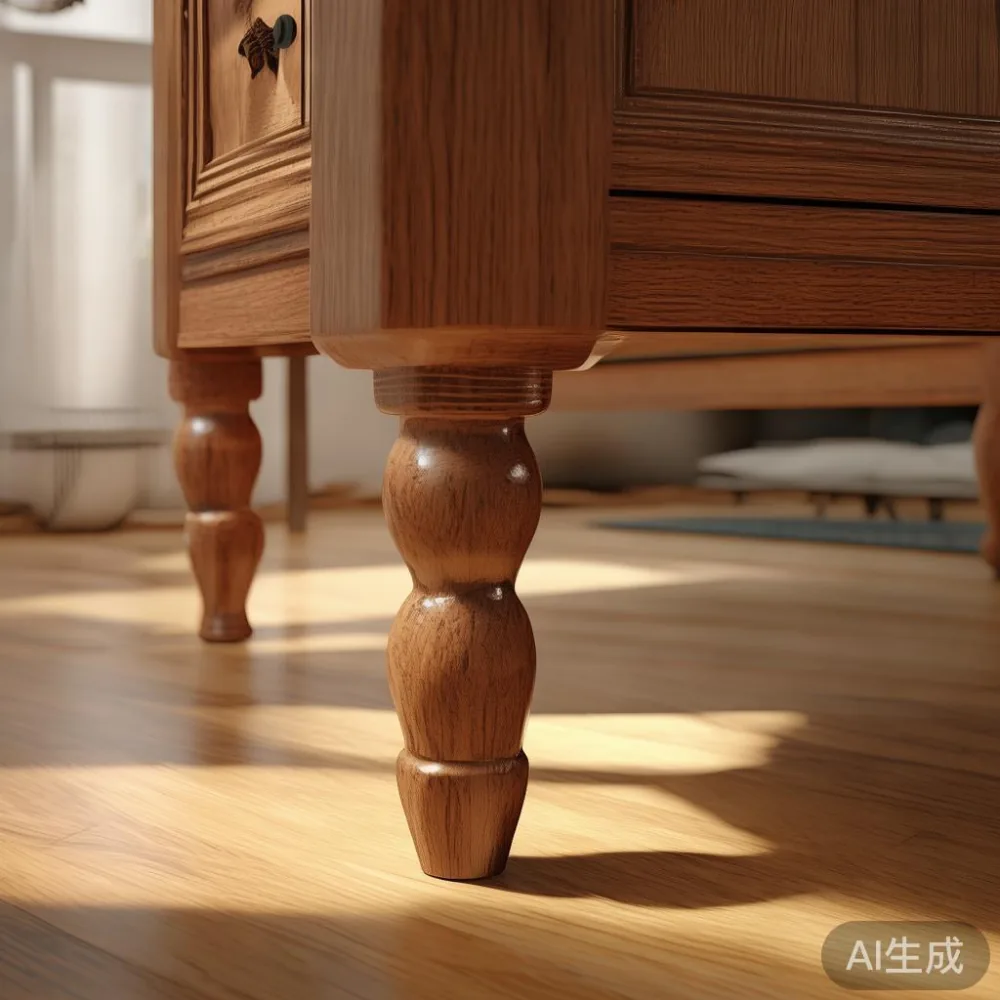
For context, MIDHILL is a Foshan solid wood furniture maker established in 2008, with exports to more than 15 countries, a 10-year structural warranty, lifetime refinishing, free shipping above US$350 and 14-day returns. Prices below are practical Singapore retail estimates in SGD, including 9% GST where applicable. Exact quotations vary with timber, dimensions, hardware and finish.
What is the real difference between veneer and solid wood furniture?
Veneer furniture uses a thin layer of timber, commonly 0.6 mm to 1.2 mm, bonded to engineered board or another substrate. It can reproduce the figure and colour of solid wood at a lower initial cost. A 180 cm dining table might begin near SGD 1,100, while a comparable solid wood dining table may start around SGD 1,700. Veneer is lighter, often by 20-35 kg, which helps when moving a table through a 90 cm lift door or along a condominium corridor.
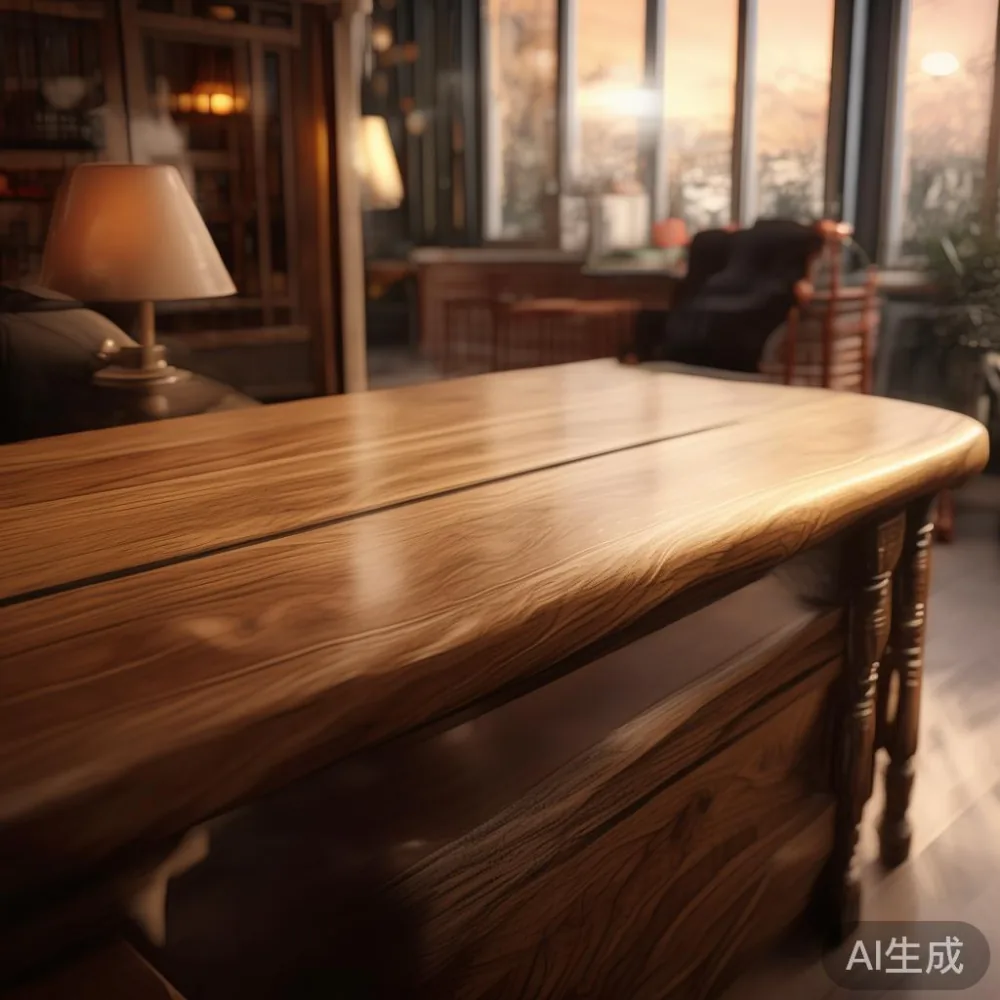
Solid wood uses timber through the visible rails, legs and panels, rather than only at the surface. A dining table with a 4 cm top may weigh 75-105 kg, depending on whether it is solid oak, ash or rubberwood. A matching veneer version may weigh 48-72 kg. Solid wood usually needs more careful handling during delivery, but its construction can make scratches, chips and joint movement easier to repair.
The appearance also behaves differently. Veneer can offer very controlled colour matching and a French light luxury look, while solid wood provides quiet variation between boards. American light luxury often combines pale solid timber, restrained profiles and upholstered seating. Neither material guarantees quality; the joinery, moisture treatment, finish and hardware still matter.
How much does furniture cost over 5 years?
The following comparison models one 180 cm dining table, one queen bed frame, one 120 cm wardrobe, one 50 cm nightstand and one three-seat sofa in a Singapore home. The purchase prices are realistic project-style estimates rather than promotional claims. Calculations include 9% GST, routine cleaning, one repair scenario and conservative resale after 5 years.
| Item | Veneer purchase | Solid wood purchase | 5-year veneer total | 5-year solid wood total |
|---|---|---|---|---|
| 180 cm dining table | SGD 1,190 | SGD 1,790 | SGD 1,520 | SGD 2,040 |
| Queen bed frame | SGD 890 | SGD 1,390 | SGD 1,150 | SGD 1,610 |
| 120 cm wardrobe | SGD 1,290 | SGD 2,090 | SGD 1,690 | SGD 2,390 |
| 50 cm nightstand | SGD 290 | SGD 490 | SGD 360 | SGD 530 |
| Three-seat sofa, upholstered | SGD 1,790 | SGD 2,690 | SGD 2,260 | SGD 3,060 |
| Combined | SGD 5,450 | SGD 8,450 | SGD 6,980 | SGD 9,630 |
Here, “5-year total” means purchase price plus 5 years of estimated care, less resale value. Care is approximately SGD 35 per year for each veneer dining table and wardrobe, SGD 25 for a veneer bed frame, SGD 20 for a nightstand and SGD 45 for a sofa. Solid wood care is provisionally similar, but repair reserves are higher because refinishing can restore more visible damage. The model does not treat every solid wood piece as automatically superior; it assumes ordinary household use, indoor air-conditioning and a dry-cleaning routine.
For the five categories combined, solid wood costs about SGD 2,650 more across 5 years. That is roughly SGD 530 per year. In a Tampines HDB dining area, that difference may fund several useful upgrades: a better mattress, curtains or delivery services. It may also pay for refinishing and moving costs avoided over time. In a Punggol condo, where rooms often feel visually open, the extra expenditure may be justified if the furniture remains in place rather than being replaced every 2-3 years.
Can veneer really be maintained for less in Singapore?
Yes, veneer can be economical when the surface is protected and damage is limited to edges. A wipe with a damp cloth every 2-4 weeks and an oiling or product-specific treatment every 6-12 months is usually enough for indoor furniture. Solid wood also needs controlled humidity and careful cleaning, but its refinishing options are broader. Light scratches on a sealed solid wood top can often be spot-repaired; a gouge through veneer may expose the substrate and require board replacement or a full veneer face treatment.
Singapore conditions deserve attention rather than exaggerated fear. Air-conditioned HDB flats generally maintain stable indoor conditions, while open windows and humid lobbies can expose furniture to moisture. Aim for roughly 40-65% relative humidity where practical, keep pieces 5 cm or more from walls and avoid standing water near a solid wood wardrobe or bed frame.
Last month I visited a family in Bedok to inspect a dining table that had crossed between their Tampines flat and a rental home. The 180 cm top had a 12 cm scratch, 2 loosened veneer strips and one swollen corner. My colleague cleaned the damaged area, replaced the strips and advised removal from the damp corridor. It remained usable, yet the owner said each repair estimate had required a 14-day wait. A comparable solid wood top could have been sanded and refinished within a shorter repair cycle once access was available.
This experience does not mean veneer is poor. It means the substrate and edge treatment determine how a piece ages. Some premium veneer furniture is excellent. The more important question is whether the supplier can repair the construction without replacing an entire panel.
How do lift widths and delivery logistics affect the total?
Access can change the final amount materially. A standard HDB lift opening may measure about 90 cm wide and 200 cm deep, although older blocks and renovated lobbies differ. A condo service lift may provide 110-140 cm of width. A 220 cm solid wood dining table cannot turn upright inside some corridors, so it may need to be carried diagonally, disassembled or booked for a crane lift.
For a Bedok HDB move, allow 3-7 working days for local delivery after confirmation. A Punggol or Tampines condo with booking rules may require 5-10 working days for the lift reservation. A Singapore delivery from a Foshan factory shipment may take around 14-30 days, depending on consolidation and stock. A narrow-lift surcharge of SGD 80-220 can offset part of the material saving on a large veneer wardrobe. A solid wood wardrobe can weigh 90-150 kg, so a 4-person carry may take 25-40 minutes, compared with 15-25 minutes for a 55-85 kg veneer version.
Measure three things before ordering: the lift door width, the corridor turning radius and the final doorway. Leave at least 5 cm of clearance around a packaged chair or nightstand. For a dining table, check the diagonal entrance too, not only the straight opening. If a piece is disassembled, photograph every connector and label the hardware before it reaches the installer.
Which material offers better value for a bedroom?
For a bed frame, buyers should separate the timber structure from decorative surfaces. A solid wood bed frame with a 30-45 kg timber rail set, 14 plywood slats at 10-13 cm spacing and a centre support leg has good long-term rigidity. Veneer bed frames can also perform well when the engineered core and fasteners are sound. The price difference in our model is about SGD 500 over 5 years.
Design trends change faster than furniture structures. Searching for the best French provincial bed for 2026 may lead towards carved details and warm timber, while the best Minimalist bed for 2026 may use straight lines, pale oak and fewer visible ornaments. Both visual directions can be achieved with either material, although solid wood better supports carved profiles, shaped rails and traditional details.
The phrase light luxury sofa bed foldable describes a specific space-saving requirement rather than a timber category. If a Bedok study needs to become a guest room, a foldable sofa bed with a solid wood frame and a 12-16 cm foam mattress offers firmer support than a light metal mechanism, but it still needs careful dimensions. Modern light luxury for guest room planning works well with a 190-200 cm daybed, a 45 cm depth when folded and a 70-85 cm depth when open.
For the wardrobe, assess the interior before the finish. A 120 cm solid wood wardrobe may have 180-220 kg of usable hanging and shelf storage, while the external price can rise by SGD 700-900 over veneer. The best Vintage wardrobe for 2026 might use panelled doors, brass-toned handles and a distressed finish, but an unverified distressed surface may hide repairs poorly. Inspect the back panel, drawer runners and hanging rail under load.
Is marble a better surface for a dining table?
A marble table introduces a third cost profile. A 180 cm marble dining table may cost SGD 2,200-4,800, and the stone may weigh 140-220 kg. It requires a properly reinforced base, careful lifting and professional installation. In an HDB flat, an unassisted 180 kg move through a 90 cm lift can damage the stone, walls or lift flooring.
Marble gives a cool, post-modern light luxury character and pairs well with French light luxury dining chairs. It needs sealing according to the stone type, immediate spill cleanup and separate coasters. It is not a substitute for a solid wood dining table, and it is not automatically a better choice for a family dining room. A 4 cm solid wood top offers more forgiving everyday handling, although stone remains appropriate for a low-traffic condo dining area.
For a lighter table, compare a 180 cm solid wood dining table weighing about 78 kg with a 160 cm marble version weighing about 110 kg. The smaller footprint may make the marble option more practical. Here, material, dimensions and access must be evaluated together.
What does a 5-year ownership model show for Singapore homes?
The estimated 5-year costs reveal three outcomes. A family keeping each piece for 5 years in a dry, air-conditioned HDB flat may pay less initially for veneer and retain most of its function. A household that moves twice, has children or lives near an open corridor may spend more on veneer repairs and specialist service. A buyer who values repairability and longer retention may find solid wood offers the more predictable outcome.
Solid wood also tends to age more visibly. A dining table develops a softened patina, while a solid wood sofa shows rubbed edges around the arms and a bed frame may lose finish at the foot rail. These changes are cosmetic rather than structural when the timber has been properly dried. Veneer can remain visually uniform but may chip at corners, which is why edge banding quality deserves inspection.
Resale assumptions are intentionally conservative: about 25-35% of initial price for veneer and 35-45% for solid wood after 5 years, subject to condition and market demand. A dated finish or an unusual size can reduce resale value. Neutral oak, walnut and black-stained timber remain easier to place, but colour should be chosen for the home rather than a temporary online trend.
MIDHILL’s warranty and refinishing terms change the repair equation for eligible purchases. A 10-year structural warranty provides a defined period for covered construction issues, while lifetime refinishing can make a solid wood bed frame, nightstand or wardrobe more useful over a 10-15 year ownership cycle. The 14-day return window also gives buyers time to check access and appearance, although return freight rules should be confirmed before a non-standard item is accepted.
What should you buy for a Tampines, Bedok or Punggol home?
Choose veneer when the purchase is mainly visual, the room is climate-controlled, the dimensions are easy to move and the budget is limited. Look for a stable engineered core, sealed edges and consistent veneer leaves across the wardrobe or dining table doors. Avoid assuming that a woodgrain print gives the same repairability as real veneer.
Choose solid wood when a piece is expected to stay for at least 7-10 years, joints and rails will receive daily use, or repairability has financial value. For a 180 cm dining table, check whether the top is solid timber rather than a timber-look laminate. For a solid wood sofa, inspect the frame joints, webbing and foam density. For a solid wood bed frame, confirm the centre support and slat spacing. For a wardrobe, check drawer movement and wall fixing options, particularly in a compact bedroom.
Keep the total in view: delivery, assembly, lift charges, maintenance, refinishing and replacement all count. A SGD 700 saving on a wardrobe may become SGD 350 after access fees, and a cheap board repair may cost more than an early refinishing service. A Singapore buyer comparing luxury Italian light luxury furniture should examine actual timber and construction, not infer origin from styling alone.
The most useful 5-year calculation is personal rather than universal. A 2-person Tampines home keeping one table and one sofa for 5 years has a different budget from a 4-person Bedok household replacing a damaged bed. Solid wood usually costs more upfront but can remain serviceable longer; veneer usually starts lower but may demand more careful edge care. Measure the route, review the warranty, test every finish sample and compare the projected 5-year cost against how long you really intend to keep the furniture.