Solid Wood: How to Care for a Lacquered Surface in Singapore’s Tropical Climat
A lacquered finish can give a solid wood bed frame, dining table, wardrobe, or nightstand a calm, polished appearance. That finish also needs deliberate care in Singapore, where humidity often exceeds 70%, sudden rain arrives quickly, and HDB flats in Tampines, Bedok, and Punggol can experience warm air trapped near windows, corridors, and lift lobbies.
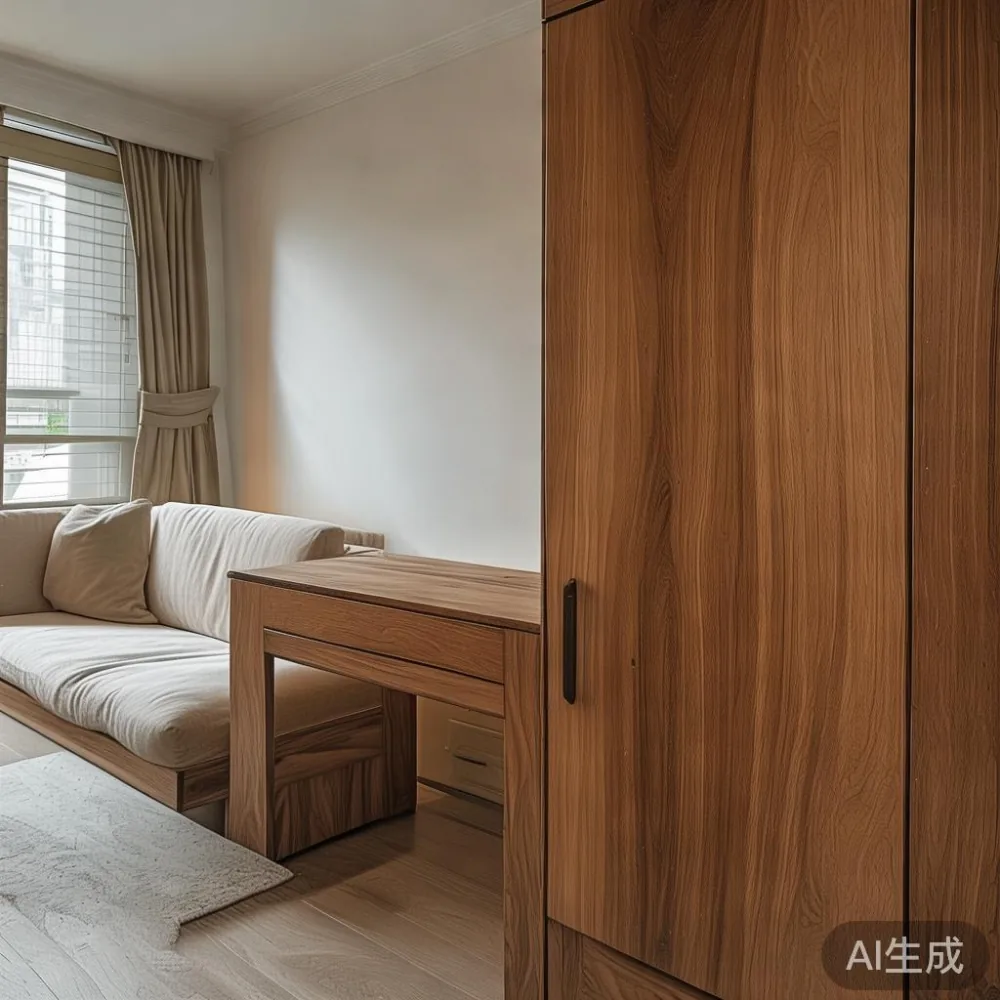
This guide explains how to clean, protect, and inspect lacquer without sanding away its appearance. It also considers the practical realities of living with furniture in compact Singapore homes: a sofa may need to move through a 90 cm HDB doorway, a dining table may have to turn through a narrow corridor, and direct afternoon light can add roughly 10–20°C to the surface of a dark cabinet near an unshaded window.
Lacquer is a finish, not a filler for damaged timber. A well-made solid wood piece should be stable before it is coated, and the coating should be applied evenly. Light can reveal brush marks or colour differences that a glossy photograph may hide. A little patience during the first 30 days protects the result and reduces later repairs.
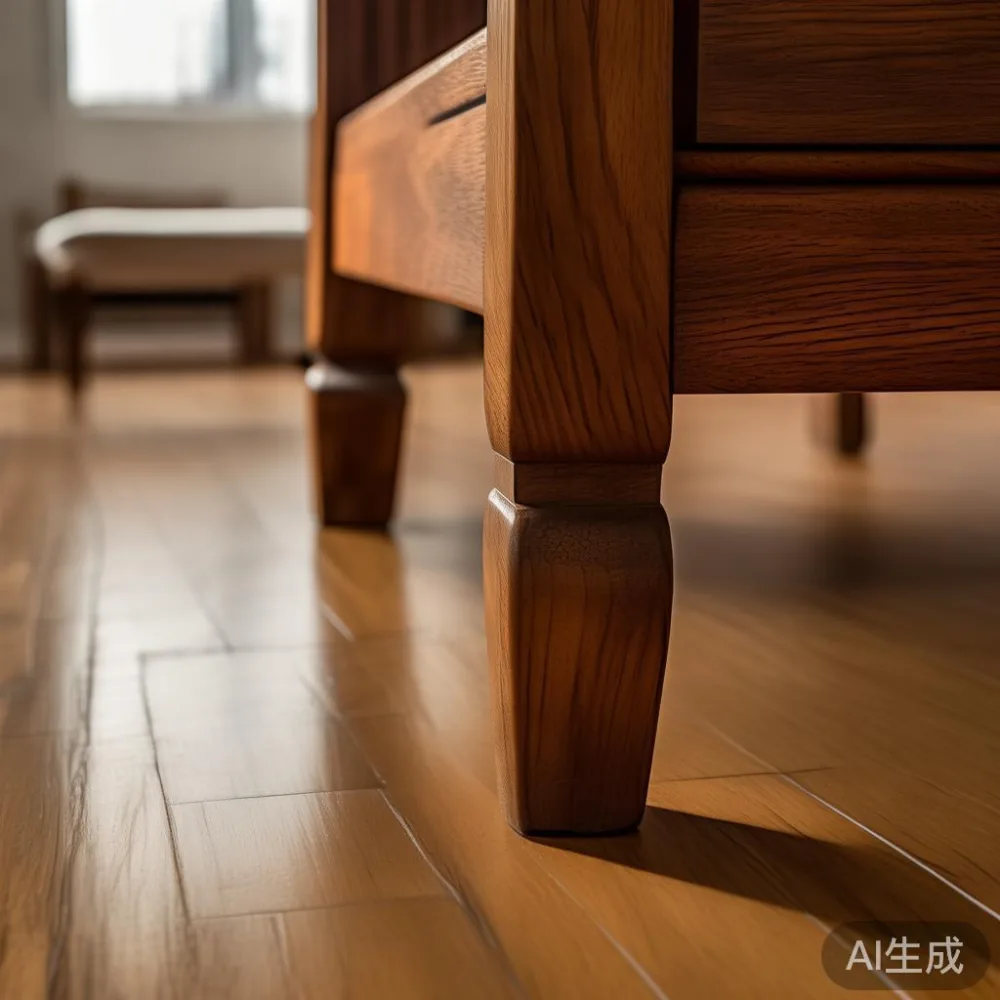
What does lacquer need in Singapore humidity?
Singapore’s tropical conditions encourage wood movement, mildew, and adhesive failure if moisture is allowed to remain on furniture. Relative humidity commonly ranges from 65% to 85%, and a lacquered surface can feel tacky or show a haze when moisture and airborne salts settle on it.
Keep lacquered furniture at least 60 cm from an open window where practical, especially during the first 3 hours of a rainstorm. Do not place it directly against a cool bathroom wall or an air-conditioning return vent. Leave a 10–15 cm gap behind a wardrobe or bed frame, and use a hygrometer that stays within the 45–65% range. In a small HDB flat, a bedroom without a dedicated dehumidifier may need 2–4 hours of air conditioning after a wet evening.
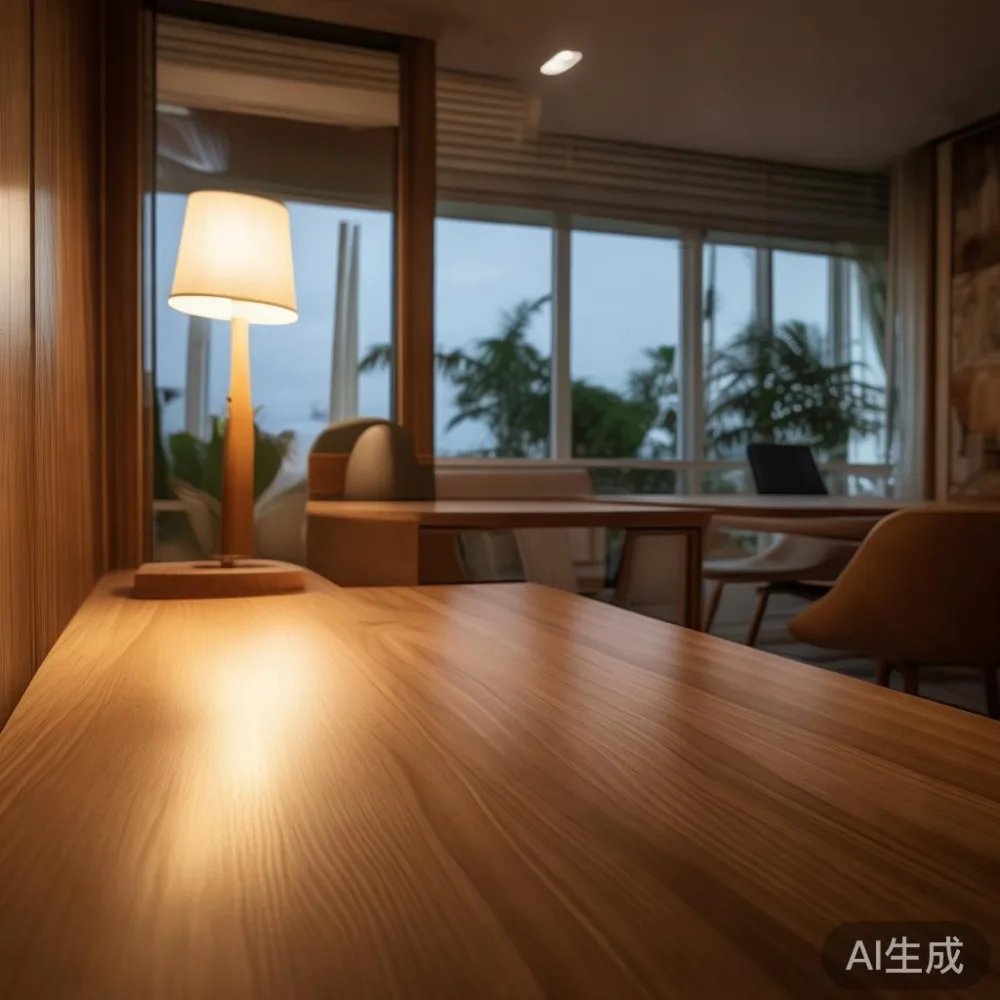
Morning and evening ventilation are helpful, but humidity is not the only concern. Sunlight contributes UV exposure and heat. UV exposure can gradually fade a coloured lacquer, while repeated wetting can create pale rings around cups and plant pots. Use blinds rather than relying on sheer curtains alone, because many sheer fabrics transmit only about 40–60% of visible light. For a stronger shield, choose blinds with at least 80% light blockage and wipe dust from their slats every 7 days.
For a light-luxury interior, the finish should support the furniture rather than dominate it. French light luxury often pairs pale timber, restrained profiles, and reflective glass, while American light luxury favours generous upholstery and broad, clean surfaces. Post-modern light luxury may use a lacquered dining table as a quiet counterpoint to angular lighting. In each case, gentle care preserves the finish’s character without making the room feel clinical.
What is the safe way to clean a lacquered surface?
Begin with a dry microfibre cloth. Vacuum or dust the top with a soft brush, then wipe from the edge toward the centre. Avoid pressing grit into joints, since one small particle can leave a visible scratch.
For routine cleaning, use 500 ml of lukewarm water with 1–2 drops of mild dish soap. The cloth should be damp, not dripping. Test it on an underside or hidden area and wait 30 minutes. The surface should show no colour transfer, softening, or tackiness. Wipe again with a second damp cloth, then dry with a clean cotton cloth.
Do not use vinegar, ammonia, bleach, alcohol, acetone, abrasive powder, or household glass cleaner. Some glass cleaners contain silicone residue that can create a mottled appearance under oblique light. Do not use a scouring pad, even when a mark looks shallow. If the lacquer has a manufacturer’s care instructions, follow those directions where they differ from general advice.
Spills need speed rather than aggressive scrubbing. Blot water within 1 minute. For an oily mark, lift the residue gently with a clean cloth; do not rub in a circular motion. If a mark remains, contact the maker before trying a solvent. A single chemical repair can change the sheen of an entire panel.
How do I remove fingerprints without damaging the lacquer?
Fingerprints are common on a wardrobe, nightstand, or cabinet handle touched throughout the day. They are usually a matter of skin oil, not dirt. A dry microfibre cloth often removes a fresh print in 20–30 seconds.
For a visible print, use the diluted soap solution described above, but only on a soft cloth. Never spray cleaner directly onto the furniture. Water droplets can travel beneath a veneer edge or into a hinge opening, and liquid trapped at a joint can cause swelling over the following 24–72 hours.
Use two cloths: one for the solution and one for the final dry pass. Keep pressure light, around 1–2 kg of hand force, rather than leaning into the surface. A solid wood sofa with lacquered timber details should be cleaned in the same way; the cloth protects the lacquer while the upholstery may need its own approved vacuum attachment and a 10–15 cm brush head.
Give handles special attention. A stainless or brass handle can collect residue from wet fingers, and wiping only the flat panel may leave a greasy edge. Clean the handle first, then the surrounding lacquer. If the finish is matte, buffing with the same clean cloth will help maintain its even texture; if it is high gloss, inspect from a side angle so no haze remains.
Can I place a hot object on a lacquered dining table?
Use a trivet or placemat for hot pans, mugs, laptops, and decorative objects. A hot cup can leave a ring at 60°C, and some dark finishes may show a faint mark after 48 hours. Place a ceramic, cork, or leather mat at least 3 cm from the edge of a lacquered dining table. Do not slide heavy objects directly across the top.
For a marble table, follow the stone supplier’s instructions and use a separate care routine. Marble is vulnerable to acid, including citrus juice and vinegar, while lacquer requires a gentler, non-abrasive cloth. Keeping a 2–3 cm clear zone around a small decor piece reduces dust accumulation and makes daily wiping easier.
Coasters should be stable rather than excessively rough. A cork coaster with a diameter of 9–11 cm suits a 30 cm bedside table. Check that it is flat, clean, and free of embedded grit. Do not use a rubber mat with a soft or sticky underside, because trapped moisture can alter the sheen over several weeks.
What should I do if lacquer gets scratched or chipped?
Stop rubbing the area. A scratch less than 1 mm long can sometimes be managed by a qualified refinisher, while a chip exposing brown wood or a pale underlayer needs a colour-matched repair. Paint over a chip without preparation usually produces a visible boundary, especially on a high-gloss panel.
Photograph the damage in daylight and in the room’s normal evening lighting. Record the length, approximate depth, and position from the nearest corner. If a lacquered wardrobe has a chip near a lift-facing corridor, photograph it before moving the piece; this is useful if a mover claims impact during transport.
For a solid wood bed frame, inspect the slats, legs, and headboard separately. For a wardrobe, check the edges, handle mounts, and adjustable shelves. A nightstand needs closer attention because a lamp can transmit heat for hours. Keep a repair kit in a dry cabinet with gloves, a fine brush, and the maker’s approved touch-up product; do not store solvent beside children or near a flame.
Colour matching is affected by age. A panel coated 18 months ago may look slightly warmer than a replacement sample. A refinisher should test at least 3 small areas, allow 24 hours for the repair to settle, and compare the result under both warm and cool light. If the damage is extensive, replacing one component may produce less variation than repeatedly spot-fixing.
How can a compact flat handle furniture movement safely?
Measure before delivery day. Record the narrowest door, corridor turn, lift opening, and stair landing in centimetres. A lift may offer 110 cm door width but only 100 cm of internal depth, and a larger model can technically fit while being impossible to turn safely. Add at least 5 cm clearance for hands, gloves, and the inclination of the piece.
Protect the lacquer with moving blankets, corner guards, and a plastic barrier that does not touch the finish. Never tape directly onto lacquer; adhesive can lift the coating or leave a rectangle after removal. Strap a wardrobe around the carcass only where the maker approves. Lift rather than drag, and have 2–3 people guide each movement.
Singapore delivery often takes 3–10 working days for stock items, while custom lacquered pieces may require 6–12 weeks. Confirm whether the supplier includes carrying upstairs, unpacking, or assembly. A furniture maker may quote a delivery fee to a ground-floor HDB unit and a separate fee for a lift or corridor turn. GST is typically added at 9% to the service or product price, so ask for an itemised invoice.
Choose products according to the room and its passage width. A solid wood sofa with a 92 cm arm height may suit a compact living room, but the manufacturer’s packing dimensions matter more than the showroom silhouette. Before searching for french sofas for sale, compare the packed width with the building’s lift and corridor measurements. Likewise, review light luxury sofa vs Modern sofa options by considering seat height, access, maintenance, and delivery access rather than style alone.
How do I keep lacquer looking even in bedrooms and living rooms?
Use stable indoor conditions, but do not chase a perfect number every hour. Keep furniture away from damp towels, wet swimwear, leaking plants, and open food containers. A plant tray should be waterproof and sit on a protective mat; check it every 2 days in humid weather. Wipe water from a nightstand within 10 minutes, especially if it contains electronics.
For a bed, leave the top rail and side panels exposed to airflow. Vacuum the floor before placing a bed frame or wardrobe, and inspect for termites or mould around skirting boards. If a wooden piece sits against an exterior wall, check after heavy rain and keep a 30 cm inspection gap where the layout permits.
Style can inform care planning. If you are considering how to style Japanese bed in bedroom layouts, place a low lacquered nightstand within reach but away from direct window light. If a French provincial dining table needs a lacquered cabinet nearby, coordinate wood tone rather than mixing several very dark finishes. A light-luxury room often benefits from one reflective surface, such as a marble table, balanced by matte textiles and solid wood furniture.
Do not assume that a product label alone describes the finish quality. Ask for lacquer type, sheen level, expected colour variation, care instructions, and repair support. A product such as a MIDHILL sofa may combine lacquered details with other materials, so care instructions should apply separately to timber, upholstery, metal, and stone. MIDHILL’s solid wood construction is relevant to the frame, but each surface needs its own treatment.
What maintenance schedule works for Singapore homes?
A short weekly routine prevents most visible problems. Dust lacquered surfaces every 7 days, wipe handles every 7–14 days, and clean spills immediately. Check windows and blinds for condensation each morning. Once every 30 days, inspect the finish under side lighting and record any new scratches, colour changes, or lifting at the edges.
During monsoon periods, check humidity every 3–4 hours in a bedroom or living room, particularly after rain. Run air conditioning or a dehumidifier as needed, then dry the surrounding surfaces. Do not aim for continuous airflow directly across the lacquer; a gentle, indirect movement is preferable.
Every 6 months, clean the gaps around a dining table, wardrobe, bed frame, and nightstand with a soft brush. Review moving blankets, coasters, and placemats for grit. Every 12 months, ask a qualified refinisher to inspect a high-use lacquered surface, even when it looks acceptable. A small chip repaired within 24 hours may need only a local touch-up; an exposed edge left for 3 months may require a larger panel treatment.
For a new piece, allow 30 days before applying decorative wax or polish unless the maker states otherwise. Avoid furniture polish that contains wax or silicone unless it is specifically approved for lacquer. Wax can accumulate in corners and create patchy reflections under recessed corridor lights.
What questions should I ask before buying lacquered furniture?
Ask how the lacquer was sealed, what sheen is intended, whether the finish is water-based or solvent-based, and which products are safe. Request the packed dimensions and delivery pathway for a Tampines, Bedok, or Punggol address. Confirm the delivery window, lift-fee policy, GST at 9%, and whether returns can be arranged within 14 days for a covered reason.
For a substantial piece, ask about structural coverage and refinishing support. A 10-year structural warranty can provide confidence in the frame, but it may not cover ordinary lacquer scratches, heat marks, or moisture damage. Ask for the written distinction rather than assuming that every mark is covered.
Design terms can help organise a shortlist, but they do not replace measurements. Comparing a French sofa vs Modern sofa is useful for silhouette and proportion; comparing a solid wood sofa, bed frame, wardrobe, or nightstand is useful for grain, joinery, and finish inspection. A marble table needs its own sealing questions, while a French provincial dining table should be checked for lacquer compatibility and tabletop heat resistance.
Some buying guides use superlatives or broad rankings, but a careful owner may instead prefer a neutral comparison. A product described as the best Minimalist wardrobe for 2026 may still need a measured 58 cm corridor, a low-energy lighting plan, and a repair process that suits the household. Aesthetics matter, and so do the 5 cm of clearance around the lift door, the 10-year structural terms, and the people who will clean the surface each week.
Can lacquer be maintained without making the room feel less refined?
Yes. Lacquer responds well to quiet habits: coasters, soft cloths, stable humidity, and immediate spill removal. French light luxury can remain airy when a pale wardrobe or dining table is paired with cream textiles, while American light luxury can use a clear lacquered surface to frame generous proportions. Post-modern light luxury benefits from one controlled reflective plane rather than several competing gloss levels.
Use a small maintenance kit stored out of sight: 2 microfibre cloths, a soft brush with a 3 cm head, a 500 ml spray bottle, diluted mild soap, and the maker’s approved repair product. Replace cloths every 2–4 weeks, or sooner if grit becomes visible. Keep the kit away from direct sun and never mix cleaning chemicals.
Last month I visited a customer’s Bedok condo and watched a lacquered nightstand after a lunchtime shower. The panel had a dull patch caused by moisture left beneath a ceramic lamp. We moved the lamp, ventilated the room for 90 minutes, wiped the surface with lightly dampened cloth, and allowed it to dry with air circulation. The mark faded without solvent or sanding. The experience confirmed that timing and airflow often matter more than aggressive treatment.
Solid wood furniture can remain handsome for decades when its finish is treated as part of the room’s daily use. Protect it from tropical dampness, measure the route before delivery, keep heat and grit away, and document small damage early. Those routines preserve the polished surface while allowing a solid wood sofa, bed frame, dining table, wardrobe, nightstand, or marble table to age with the home rather than suffer from preventable neglect.