How to Read a Furniture Warranty Without Getting Caught Out
Buying furniture for your Singapore home is a significant investment. Whether you're furnishing a new HDB flat in Tampines or upgrading a condo in Punggol, a solid wood bed frame or a dining table becomes the centrepiece of your living space. With the Goods and Services Tax (GST) factored into the price, every dollar counts. That's why the warranty document, often tucked away in a drawer, is one of the most important pieces of paper you'll receive. It's not just a promise; it's the legal backbone of your purchase. Understanding its terms can save you from unexpected costs and headaches down the road.
What Exactly is a Furniture Warranty?
A furniture warranty is a manufacturer's promise to repair or replace a defective product within a specified period. For a solid wood dining table, this might cover issues like warping or joint failure. For a sofa, it might address frame defects. The key is to understand what the warranty covers, for how long, and, most importantly, what it excludes. It's a contract between you and the maker, like a Foshan-based company with a 10-year structural warranty, outlining the terms of your purchase. The warranty details the scope of coverage, the duration, and the process for making a claim. It also sets out the conditions under which the warranty is valid, such as proper use and maintenance. A warranty that promises "lifetime refinishing" sounds appealing, but it may only apply to the original owner and require you to cover the shipping costs back to the factory. Reading the fine print is the only way to know your true obligations and rights.
Common Warranty Terms and What They Really Mean
Furniture warranties are filled with specific language that can be confusing. Let's break down some of the most common terms you'll encounter. Knowing these definitions will help you decode the document and avoid misunderstandings.
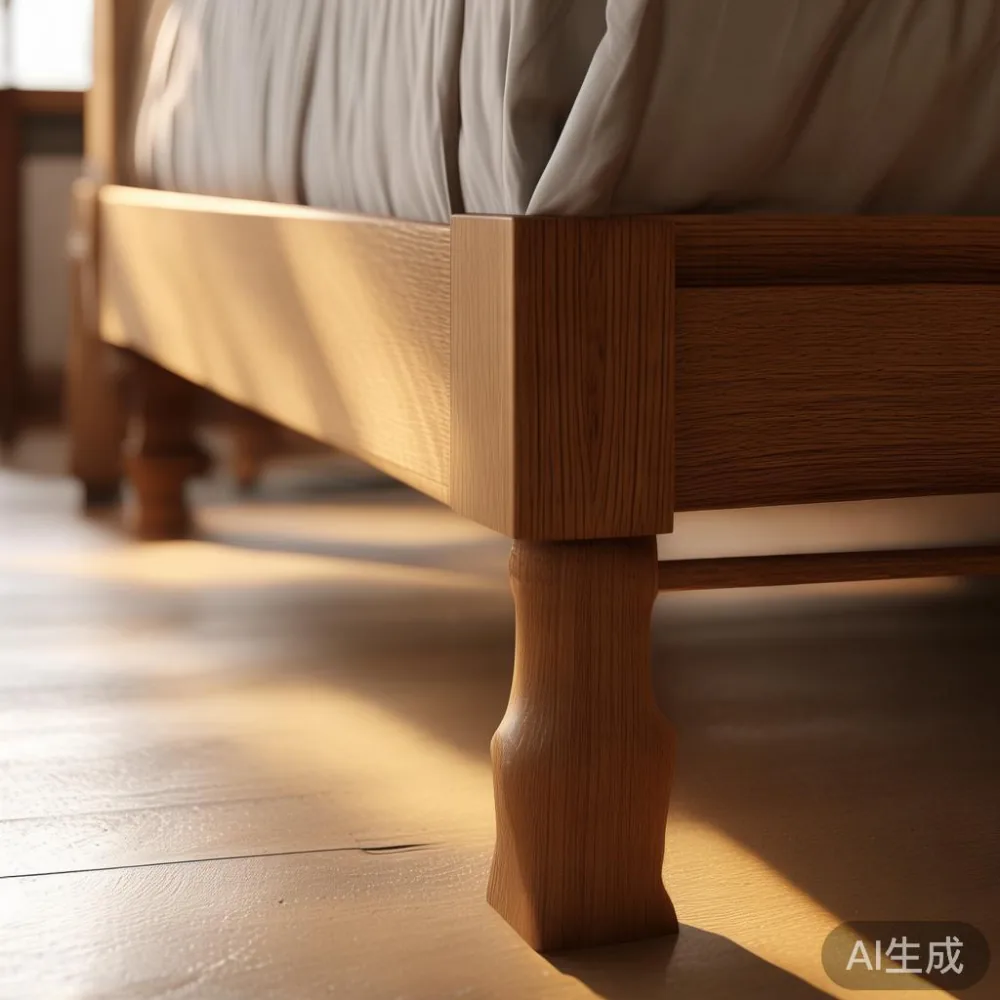
- Structural Warranty: This covers the frame and main structural components of the furniture. A 10-year structural warranty on a solid wood bed frame is a strong indicator of quality, protecting you against issues like cracked slats or a broken headboard. It does not typically cover the finish or upholstery.
- Finish Warranty: This refers to the protective coating on the wood. A finish warranty might be for 1 to 3 years and covers peeling, blistering, or cracking due to manufacturing defects. It usually does not cover scratches, dents, or fading from sunlight exposure, which are considered normal wear and tear in a Singaporean apartment with large windows.
- Material Defects: This covers flaws in the wood itself, such as knots, cracks, or splits that were present at the time of manufacturing. A high-quality solid wood piece will have minimal, if any, material defects. The warranty will specify the size and type of defect that is considered acceptable.
- Normal Wear and Tear: This is one of the most important and often vaguely defined terms. It includes minor scuffs, scratches, dents, and changes in colour or texture that occur with regular use. A warranty will almost never cover normal wear and tear. For example, a small chip on the corner of a marble table top from moving it is unlikely to be covered.
What's Usually NOT Covered by a Warranty?
Just as important as knowing what is covered is understanding what isn't. Manufacturers explicitly exclude certain conditions from their warranties. Recognising these exclusions can prevent you from assuming coverage that doesn't exist. Last month, I visited a client in a Bedok HDB flat who was upset because her solid wood wardrobe door had warped. She believed the 10-year warranty would cover it, but upon inspection, it was clear the damage was caused by placing a powerful humidifier directly next to the wardrobe, creating an extreme moisture imbalance. The warranty explicitly excluded damage from environmental factors like excessive humidity, which is a common issue in Singapore.
Here are the most common exclusions:
- Improper Use or Maintenance: Using a dining table as a step stool or failing to clean a spill promptly can void your warranty. The warranty assumes you will use the furniture as intended and perform basic care, like dusting a solid wood sofa with a soft, dry cloth.
- Damage from Moving or Assembly:
- Environmental Factors: This is a big one in Singapore. Warranties exclude damage from extreme humidity, temperature fluctuations, or direct sunlight. The tropical climate can be tough on furniture, and the warranty won't cover you if you place a dark-coloured bed frame in a room with no air conditioning during a heatwave.
- Acts of Nature or Accidents: Damage from floods, fires, or accidental drops is not covered. This is standard across all warranties.
- Unauthorised Repairs: If you try to fix a problem yourself or hire a local carpenter instead of an authorised service technician, you will likely void the warranty. Always contact the manufacturer or retailer first.
How to Style Your New Furniture While Protecting Your Warranty
Your new furniture is not just functional; it's a design statement. Styling it correctly can enhance the look of your home, but you must do so in a way that doesn't compromise your warranty. For example, placing a hot dish directly on a solid wood dining table, even with a placemat, can leave a heat mark that is not covered under the finish warranty. Using coasters under glasses is a simple habit that protects your investment.
When decorating, consider the placement of your pieces. A marble table top is beautiful, but it's porous and can be stained by acidic liquids like wine or coffee. Wiping up spills immediately is important. Similarly, when arranging a bedroom, avoid pushing a heavy Italian light luxury bed against a wall where air can't circulate, as this can trap moisture and affect the wood over time. The space around your furniture should allow for airflow, especially in high-humidity environments like Singapore.
What Does a 10-Year Structural Warranty Really Mean?
A 10-year structural warranty is a significant commitment from a manufacturer, but it's important to interpret it correctly. It means the company stands behind the integrity of the frame for a decade. For a solid wood bed frame, this covers the main supports, the headboard, and the footboard. If a slat breaks under normal use within that period, it should be replaced free of charge. However, this warranty is almost always tied to specific conditions.
The warranty is valid for the original owner only and is non-transferable if you sell the furniture. It also requires proof of purchase, so keep your receipt. The 10 years typically start from the date of delivery, not the date of order. Most importantly, you are responsible for the cost of shipping the defective part back to the manufacturer. For a piece as large as a bed frame or wardrobe, this can be a considerable expense, sometimes amounting to several hundred SGD. This is why a "free shipping over SGD 350" offer on a new purchase is so beneficial, as it offsets potential future costs. Always check the warranty document to see if the manufacturer offers a parts replacement service or if you must arrange and pay for the return shipping yourself.
What Happens When You Need to Make a Claim?
So, you've identified a problem that you believe is covered by the warranty. What's the next step? The process for making a claim can vary, but there is a general procedure you should follow. First, document the issue thoroughly. Take clear, well-lit photos and videos from multiple angles. Measure the defect, for example, a crack on a solid wood nightstand that is 5cm long. This provides concrete evidence for your claim.
Next, contact the retailer or manufacturer directly. Provide them with your order number, the date of purchase, and a detailed description of the problem. They will likely ask you to submit the photos and measurements you took. The manufacturer will then review your claim to determine if it falls within the warranty terms. This process can take anywhere from a few days to a few weeks. If the claim is approved, they will instruct you on the next steps, which could involve sending a replacement part, arranging for a technician to visit your home, or, in rare cases, replacing the entire item. Keep a record of all your communication with the company, including emails and reference numbers for any phone calls. This documentation is your proof that you followed the correct procedure.
Are 14-Day Returns a Good Enough Policy?
A 14-day return policy is standard in the furniture industry, but it's worth evaluating whether it meets your needs. This policy typically allows you to return an item if it arrives damaged or if you made a mistake in your selection. For example, if a solid wood sofa is delivered with a deep scratch on the armrest, you can request a return or replacement. However, most policies do not allow returns for simple change of mind, especially after the item has been assembled and used in your home.
When considering a return, think about the logistics. For a large item like a wardrobe or dining table, returning it is not as simple as boxing up a small purchase. You would need to disassemble it, package it securely, and arrange for collection. This can be a complex and costly process. The 14-day window is designed to address immediate issues upon delivery. It gives you a short period to inspect the furniture thoroughly before committing to keeping it. For this reason, it's wise to unbox and inspect every piece carefully as soon as it arrives. Check for damage, verify that all parts are present, and ensure the item matches your order. If you find a problem, you must act quickly within the 14-day timeframe to initiate a return or claim.
How to Style a European Light Luxury Sofa in a Singapore Bedroom?
Integrating a European light luxury sofa into a bedroom can create a sophisticated and relaxing retreat. The key is to balance the sofa's presence with the room's primary function: sleep. Start by choosing a sofa with a light, airy frame and neutral upholstery, such as linen or a light grey fabric. This will prevent the piece from overwhelming the space. Position the sofa against a wall that is opposite the bed or at the foot of the bed, creating a clear separation between the sleeping and sitting areas.
Complement the sofa with a small, elegant side table in a matching finish, such as a brushed brass or matte black. A single table is enough to hold a lamp and a book without cluttering the room. For lighting, opt for a floor lamp with a sculptural base next to the sofa. This provides ambient light for reading without taking up precious surface space on the nightstands. The goal is to create a cohesive look that feels intentional and luxurious, not crowded. Remember to leave enough walking space, at least 60cm, around the furniture to work through the room comfortably, especially important in Singapore HDB flats where corridor and lift widths can be narrow.