In real rooms
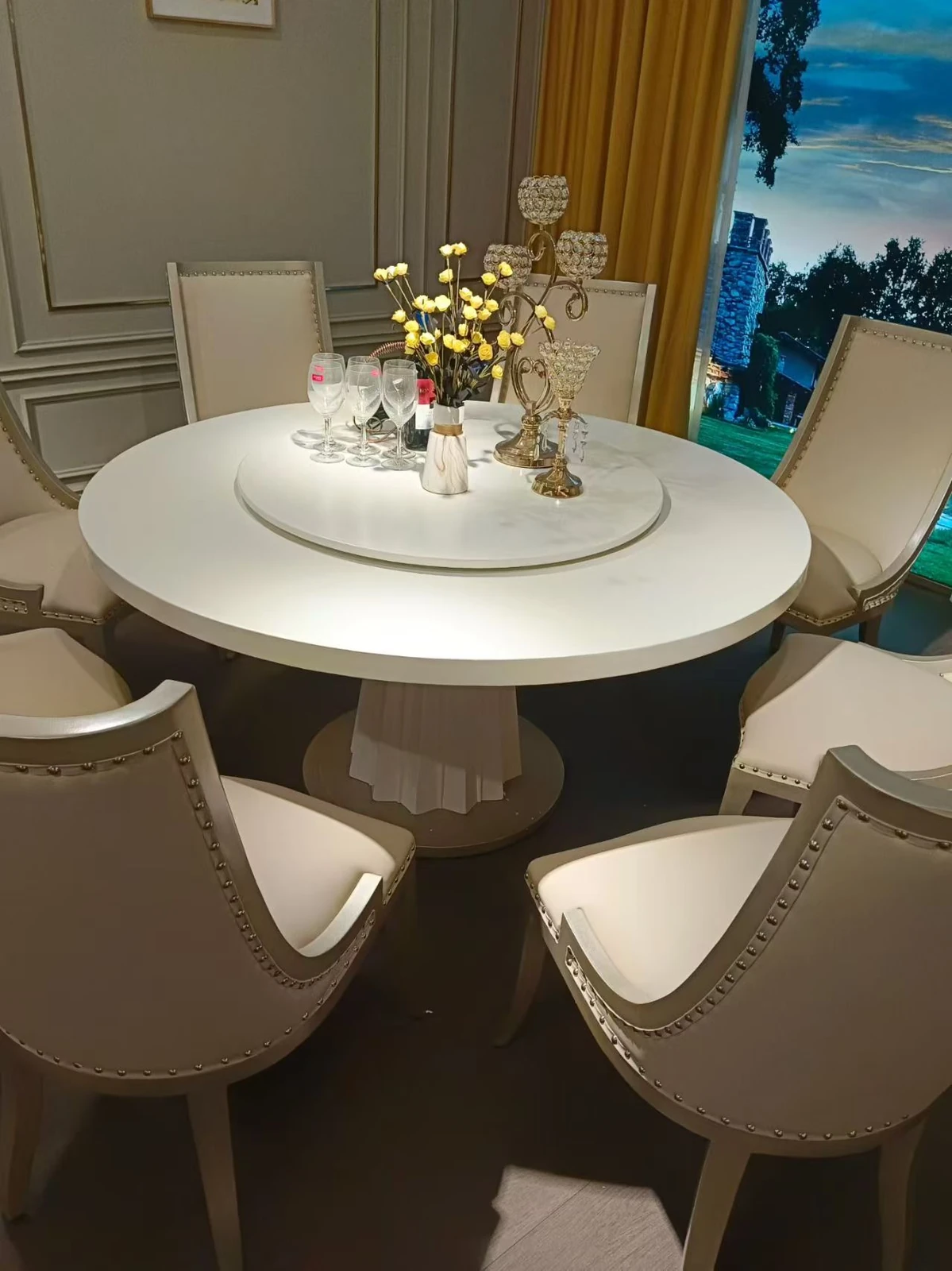
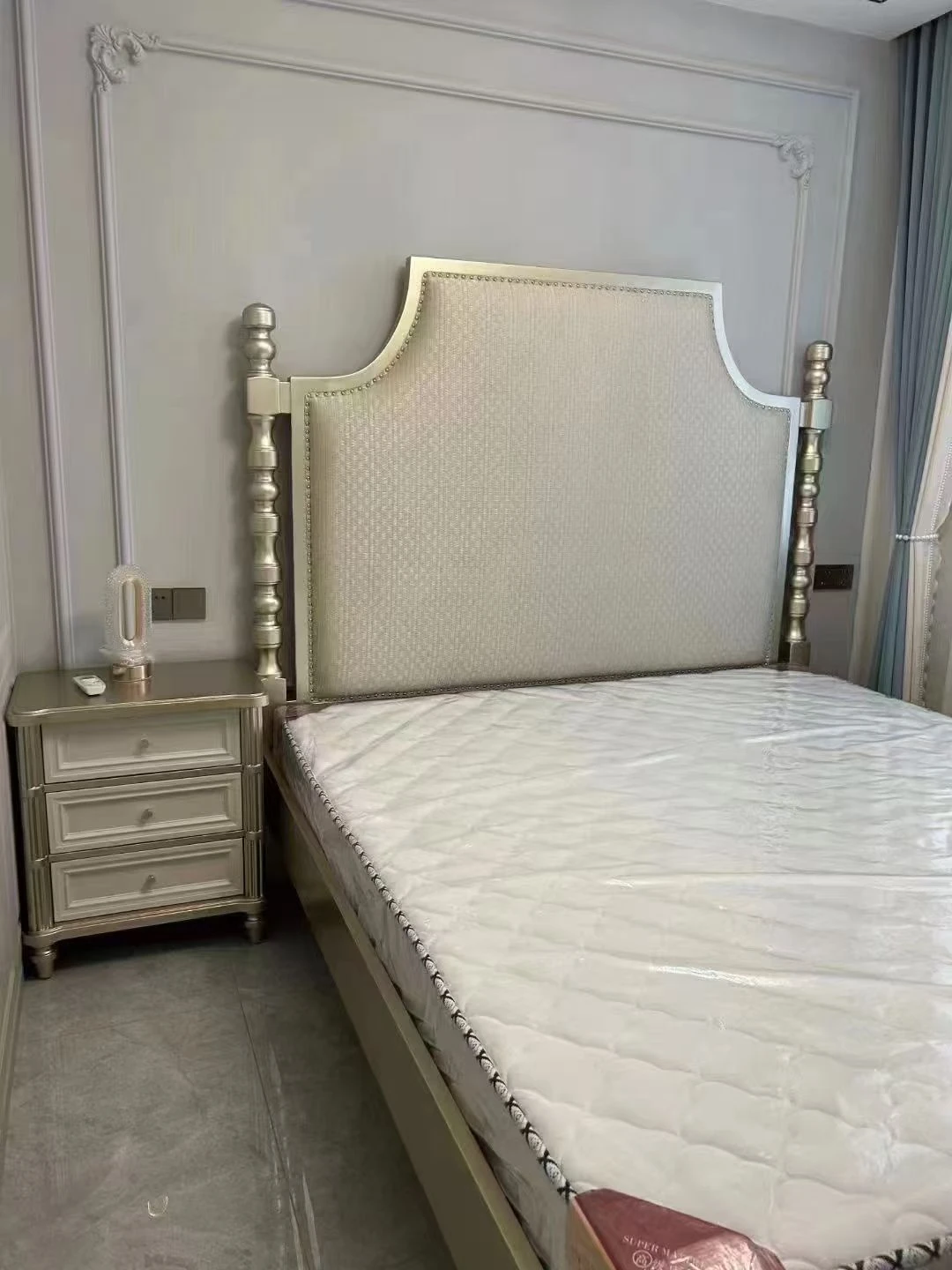

Everything discerning homeowners across the island need to know about choosing, caring for, and investing in solid wood furniture.
From Merbabu to Keruing, discover how real timber transforms a house into a lasting home — and why Singapore's tropical climate demands the right wood selection.
Explore Guides20 Expert Articles
Curated for Singapore homeowners, HDB flats, and interior designers seeking genuine solid wood knowledge.
Measuring Your Space Before Buying Solid Wood
Choosing the Right Timber for Singapore's Climate
Hardwood vs Softwood: What Singapore Buyers Need
Understanding Grain Patterns and Wood Grades
Solid Wood Care in Humid Tropical Environments
Teak Furniture: Is It Worth the Premium Price?
Identifying Real Solid Wood vs Veneer Products
Budget Guide: Solid Wood Pieces Under $2,000
Start by measuring your space accurately—including doorways, stairwells and lift dimensions—so the piece actually reaches its destination. Compare species for hardness and moisture resistance; teak, oak andMeranti each behave differently in tropical heat and humidity. Examine grain consistency, joint construction and finish quality on showroom samples before committing. Always ask where the wood was sourced, how it was kiln-dried, and whether the supplier offers a warranty on structural integrity. Inquire about maintenance requirements and whether the timber has been treated against termites and mould. Finally, request documentation of origin and certifications, especially for imported hardwoods. A well-chosen solid-wood piece should age gracefully, not warp or crack within a year.
Solid wood endures when the right species meets honest construction. In humid climates across Southeast Asia and East Asia, dense hardwoods like teak, oak, merbau, and jelutang resist warping far better than softwoods or unstable grain. Look for traditional joinery—dovetails, mortise and tenon, or dowel—not staples, nails, or particle-board backing. Check that panels have room to expand and contract; fixed, glued-only surfaces crack under tropical humidity swings. A sturdy frame with cross-grain assembly prevents twisting over time. Warning signs: veneer edges that peel, wobble when shifted, a sour smell suggesting moisture damage, or grain patterns that repeat unnaturally—telltales of faux wood pretending to be solid. True solid wood ages with character, not collapse.
Solid wood furniture must perform differently depending on where it lives. In Singapore and Malaysia, year-round heat and humidity demand woods like teak and merbau that resist swelling, warping, and insect damage. Thailand faces a similar tropical challenge, though its pronounced monsoon shifts mean hardwoods need extra stability against cyclical moisture swings. Japan requires a different approach entirely: four distinct seasons with humid summers and dry, heated winters mean joinery and finishes must accommodate repeated expansion and contraction—think Japanese cedar and oak treated for dimensional consistency. Korea presents the most extreme variation, with bitterly cold, dry winters and hot, humid summers that can cause finishing cracks in less stable species. Buyers across the region should match wood selection to local climate stresses rather than aesthetic preference alone.
The top questions from our region boil down to three concerns. First, will it survive our humid climate? Solid wood expands and contracts with moisture—species like teak, oak, and merbau handle tropical conditions better than softer woods. Second, what does 'solid' actually mean? It should be joined timber, not veneer over particle board. Check for mortise-and-tenon or dovetail joints. Third, how do I maintain it? Wipe with a damp cloth, avoid direct sunlight, and use natural oil periodically. No sealant lasts forever in Singapore or Bangkok heat. Buyers also ask about origins—European oak and American walnut ship well; local teak and acacia are sustainable regional choices. Ask for wood species and joinery details upfront. That transparency matters more than any finish certificate.
Answers to what Singapore buyers ask most
Want the longer version? Browse all buying guides for this category.