The Silent Conversation: Understanding Humidity's Impact on Solid Wood Furniture in Singapore
Living in Singapore means living with humidity. It’s in the air you breathe, the clothes you hang to dry, and the weather that feels like a warm embrace most days. For those of us who appreciate natural materials, this constant moisture creates a silent, ongoing conversation with our possessions. Nowhere is this conversation more evident than with solid wood furniture. A beautiful dining table or a sturdy bed frame isn't just a collection of objects; it's a living material that responds to its environment. Understanding this dialogue is key to preserving the beauty and integrity of your investment, especially when considering the unique conditions of Singapore Housing and Development Board (HDB) flats and condominiums in areas like Tampines, Bedok, and Punggol.
Why Does Wood React to Humidity in the First Place?
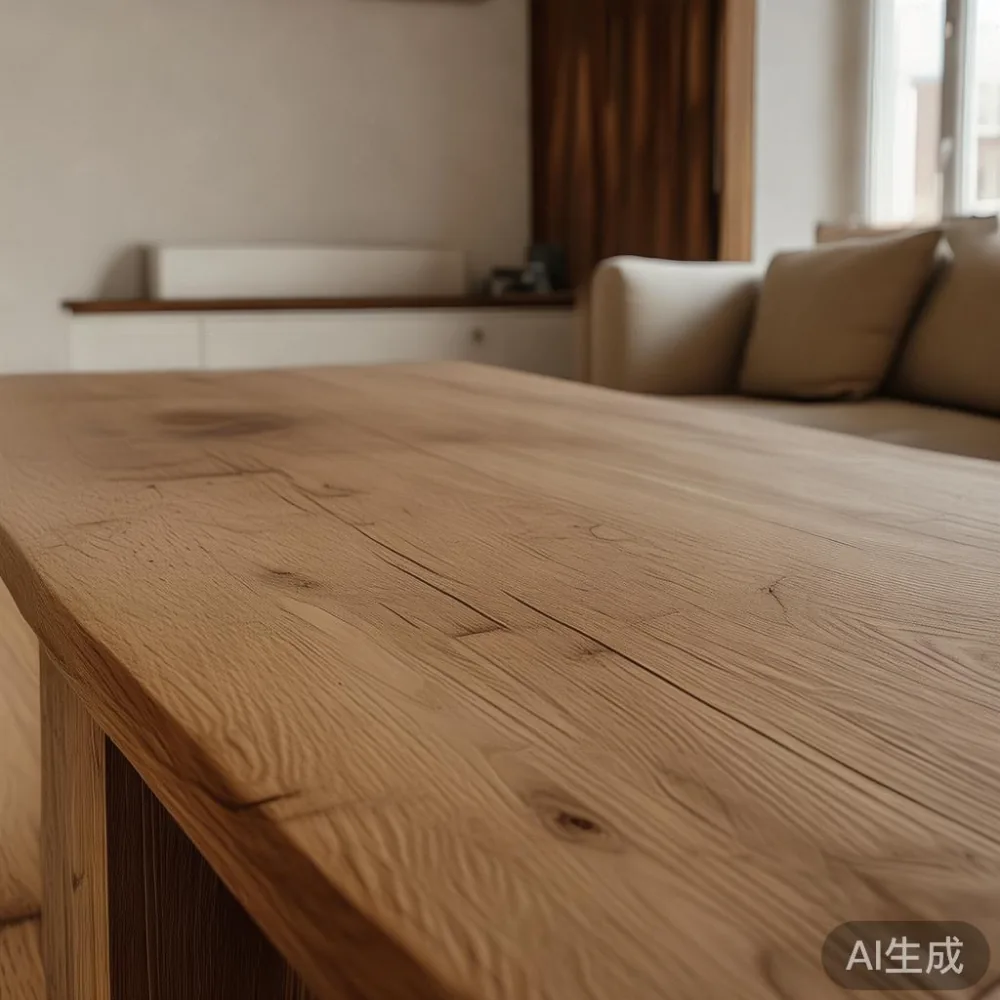
At its core, wood is hygroscopic. This scientific term simply means it absorbs and releases moisture from the air. Think of it like a sponge, but one that breathes very slowly. Wood is composed of countless cells, and within these cells are cellulose fibers. When the air is humid, these fibers absorb water molecules, causing them to swell and expand. Conversely, when the air is dry, they release moisture and contract. This natural process is called movement, and it's a fundamental characteristic of all wood.
The amount a specific piece of wood will move depends on several factors, including the species of wood, how it was cut (quarter-sawn is more stable than flat-sawn), and its current moisture content. For a solid wood dining table made from a dense hardwood like oak or teak, the movement might be just a fraction of a millimeter over a large surface area. For a solid wood bed frame made from a softer wood, the movement can be more pronounced. The key is that this movement is normal. The problems arise when the movement is too rapid, too extreme, or uneven, leading to stress on the wood's structure.
What Does Excessive Humidity Actually Do to Your Furniture?
In the context of Singapore's climate, where average relative humidity often hovers between 70% and 90%, the primary risk is not the wood drying out and cracking. Instead, the danger lies in the wood absorbing too much moisture too quickly. This can manifest in several ways, from subtle aesthetic changes to more serious structural issues.
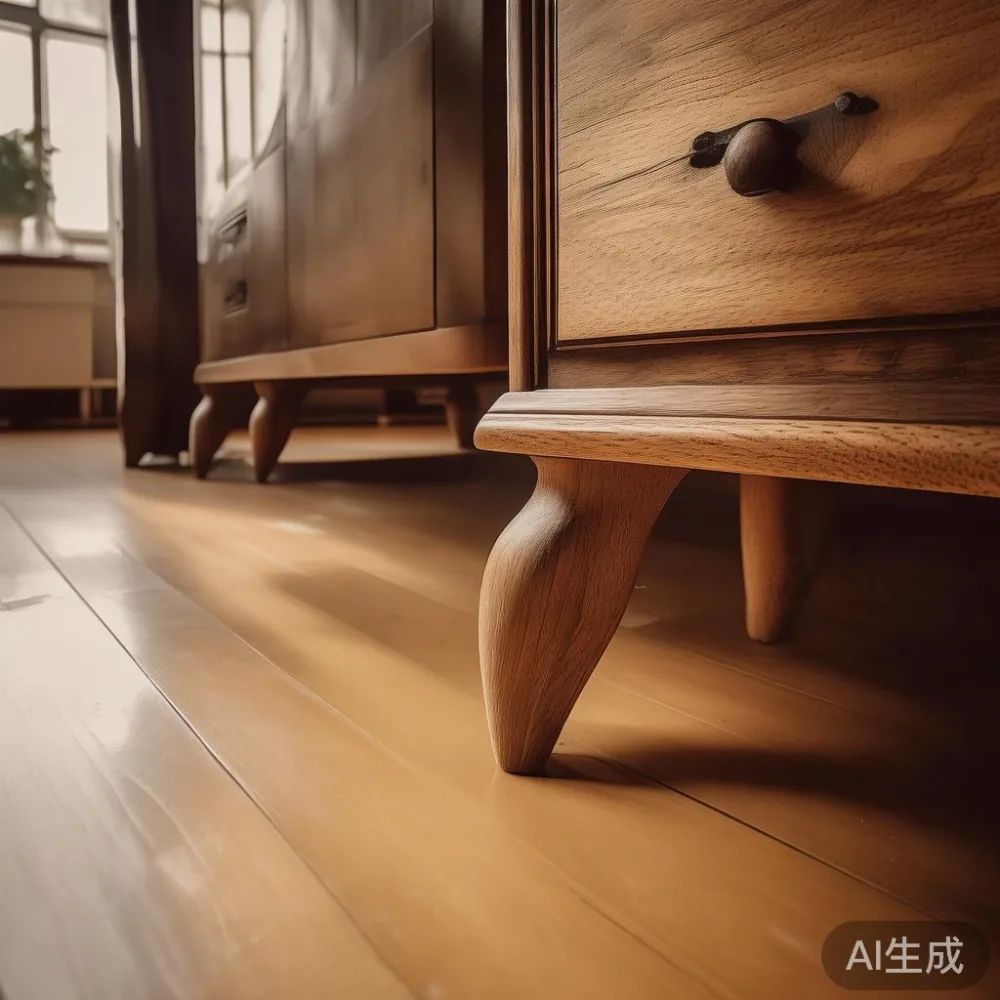
One of the most common signs is swelling. You might notice that a solid wood drawer in your wardrobe becomes difficult to open and close. A door on a cabinet might start to rub against its frame. This happens as the wood fibers expand, increasing the dimensions of the piece. If the swelling is severe, it can cause joints to become stressed. Mortise and tenon joints, which are common in high-quality furniture, can become overly tight, potentially leading to cracking or splitting if the wood is forced.
Another issue is the potential for mold and mildew growth. Wood that remains damp for extended periods provides an ideal breeding ground for these fungi. This is particularly a concern in areas with poor ventilation, such as the lift and corridor widths in some older HDB blocks in Tampines or the internal bathrooms of condos in Bedok. A musty smell or visible black spots on the surface of a nightstand or wardrobe are clear signs that the environment is too humid for the furniture. While mold can be cleaned off, it can stain the wood and, over time, weaken the fibers.
Perhaps the most visible effect of high humidity is the appearance of surface defects. The finish on your furniture, whether it's a lacquer, oil, or wax, can be compromised. Moisture can get trapped underneath the finish, causing it to appear cloudy or develop small white spots. In extreme cases, the finish can even blister or peel away from the wood as the wood swells beneath it. This not only ruins the look of your piece but also removes its protective layer, leaving the raw wood exposed to further moisture damage.
How Singapore's Unique Living Spaces Influence Wood Furniture
Singapore's housing landscape presents a unique set of challenges for solid wood furniture. The design of HDB flats and condos, while efficient, can sometimes create microclimates that are less than ideal for wood.
Many HDB units, especially in newer developments like Punggol, feature open-plan living and dining areas. While this creates a sense of space, it also means that humidity levels are more uniform throughout the home. When the air conditioning is turned off, the entire unit is exposed to the ambient humidity. This can lead to larger, more uniform pieces of furniture, like a solid wood dining table or a large wardrobe, experiencing more movement. A table that is 180 cm long might expand by 2-3 mm in width, which might not sound like much, but over years of this cycle, it can put stress on the legs and aprons.
The materials used in modern Singaporean homes also play a role. Tiles and polished concrete floors, common in condos, do not absorb moisture like wood floors. This means that humidity tends to linger in the air rather than being absorbed by the flooring. Also, the prevalence of large glass windows, while offering great views, can trap heat and increase humidity levels near the window. A solid wood sofa placed directly against a glass wall in a sunny condo might experience more localized swelling than one placed in a more central location.
Even the practical aspects of Singaporean life contribute. The 9% Goods and Services Tax (GST) applies to all furniture purchases, making it a significant investment. This underscores the importance of caring for your pieces properly. A SGD 3,500 solid wood bed frame is not just a purchase; it's a long-term commitment. Similarly, a SGD 1,800 nightstand or a SGD 5,000 marble-topped dining table represents a substantial financial outlay, and protecting that investment from the humid climate is a practical necessity.
How to Choose Japandi Bed for a Humid Singapore Home?
The Japandi style, with its emphasis on natural materials, clean lines, and minimalist forms, is incredibly popular in Singapore. However, its aesthetic focus on solid wood can be a cause for concern in our climate. The question is, how to choose Japandi bed that is both beautiful and resilient to humidity?
The answer lies in selecting the right wood species and the right construction. For a Japandi bed frame, look for woods known for their stability in humid conditions. Solid American white oak is an excellent choice. Its dense grain structure makes it less prone to rapid swelling and shrinking compared to softer woods like pine. Teak is another fantastic option, as its natural oils make it highly resistant to moisture and rot. When shopping, ask the retailer about the specific wood used. A reputable seller will be transparent about the material.
Construction is equally important. A well-made Japandi bed will feature mortise and tenon joints, reinforced with dowels or screws, rather than relying solely on glue and staples. This type of joinery allows the wood to move naturally without compromising the structural integrity of the frame. The bed should also have a proper finish. A high-quality, penetrating oil finish or a durable lacquer will create a barrier that protects the wood from direct moisture absorption while still allowing it to breathe. For those exploring wholesale European light luxury furniture, you will find many pieces use these same principles of stable hardwoods and expert craftsmanship to ensure longevity in various climates.
Practical Care Tips for Your Solid Wood Furniture
Living with solid wood furniture in Singapore doesn't mean you have to live in fear of the humidity. With a few simple practices, you can help your furniture thrive for decades. The goal is to manage the environment and provide consistent care.
First, control the environment as much as possible. Air conditioning is your best friend. It not only cools the room but also dehumidifies the air, reducing the moisture content in the wood. Try to maintain a consistent temperature and humidity level in your home. Avoid placing furniture in direct contact with sources of moisture, such as air conditioning units that drip, or in front of an open window during a heavy downpour. Use coasters under glasses and placemats on your dining table to prevent water rings.
Second, clean your furniture correctly. Dust regularly with a soft, dry cloth. For deeper cleaning, use a slightly damp cloth followed immediately by a dry one to remove any lingering moisture. Never soak the wood. Avoid harsh chemical cleaners or abrasive scrubbing pads, as these can strip the protective finish. For oiled wood, you may need to reapply the oil every 6-12 months to maintain the protective layer. For lacquered wood, occasional polishing with a suitable furniture polish can help restore the shine and provide an extra barrier against moisture.
Third, allow for proper acclimatization. When you bring a new piece of furniture into your home, especially if it has been in a climate-controlled warehouse or shipping container, give it time to adjust to your home's humidity. Leave it in its final position for a few days before moving it or subjecting it to heavy use. This allows the wood to slowly absorb or release moisture and reach equilibrium with its new environment, minimizing the risk of shock and subsequent damage.
A Personal Experience with Wood and Water
Theory is one thing, but real life is another. I learned this lesson the hard way just last month when I visited a colleague's new condo in Bedok. He had recently purchased a beautiful, solid wood console table to place in his entryway, a space that gets lovely morning light but is also quite close to the main door. The table had a simple, elegant design that he loved.
One weekend, we were all heading out for a gathering. In a rush, my colleague placed a large, potted plant directly on the table's surface without a saucer. The plant had been watered that morning, and the soil was still damp. He forgot about it for two days. When he returned, he found a perfect, dark ring of moisture about 30 cm in diameter. The wood had absorbed the water, and the finish had become dull and cloudy in that spot. He was devastated, thinking he had ruined a SGD 2,000 piece of furniture.
Fortunately, the damage wasn't permanent. I suggested he try a simple remedy: he took a clean, soft cloth and applied a small amount of mayonnaise to the stain. He let it sit for a few hours, and then gently buffed it off with a dry cloth. The oils in the mayo helped to draw some of the moisture out of the wood and restore the finish's luster. It wasn't a perfect fix, but it was a significant improvement. This experience was a powerful reminder of how quickly and unexpectedly moisture can affect even the most carefully chosen furniture. It's a conversation that is always happening, and we need to be mindful participants.
What About American Sofa vs Italian Light Luxury Sofa in a Humid Climate?
For seating, the choice of materials becomes even more critical. A sofa is a large piece of furniture that people interact with daily, and its fabric or leather covering is the first line of defense against humidity. The debate of American sofa vs Italian light luxury sofa often comes down to style and comfort, but in Singapore, material performance should be a key consideration.
A classic American sofa might feature plush, fabric upholstery. While beautiful, fabrics like linen or cotton can absorb moisture from the air and from perspiration, leading to a musty smell or even mold growth in the cushions over time. Leather is a better option, as it is less absorbent than fabric. Full-grain leather, in particular, is very durable and breathable, allowing it to adapt to humidity changes without trapping moisture underneath. An American sofa made with top-grain or full-grain leather would be a more resilient choice for our climate.
On the other hand, an Italian light luxury sofa often emphasizes sleek, modern designs and high-performance materials. Many Italian sofas use premium leathers like nubuck or aniline, which are incredibly soft and breathable. They also frequently employ advanced synthetic microfiber fabrics that are specifically designed to be stain-resistant, moisture-resistant, and easy to clean. These materials are engineered to perform well in demanding environments. The choice between American sofa vs French provincial sofa also highlights this difference; a French provincial sofa might feature rich, velvets or detailed upholstery that, while luxurious, may require more careful maintenance in a humid setting compared to the technical fabrics often found in Italian light luxury designs.
Creating a Balanced Home Environment for Your Furniture
Ultimately, the best way to protect your solid wood furniture is to create a balanced home environment. It's not about eliminating humidity completely—that would be an uncomfortable and expensive battle. It's about managing it intelligently.
Good ventilation is key. Ensure your rooms have adequate airflow. Use exhaust fans in bathrooms and kitchens to expel moist air. If you have an HDB unit, consider opening windows on opposite sides of the house to create a cross-breeze when the weather is dry. For condos, this might mean using the balcony doors to ventilate the living room. Using a dehumidifier in particularly damp areas, like a walk-in wardrobe or a storage room, can also make a significant difference. A small dehumidifier can remove up to 20 liters of moisture per day from the air, creating a much more stable environment for your furniture.
Be mindful of how you arrange your furniture. Avoid placing large pieces like solid wood dining tables or wardrobes directly against external walls, as these walls can be cooler and hold more moisture. Leaving a small gap allows for better air circulation. Also, avoid stacking items directly on top of solid wood surfaces, as this can trap moisture and lead to damage over time.
Investing in quality furniture from the start is one of the best decisions you can make. A well-constructed piece made from stable, kiln-dried wood will be far more resistant to the effects of humidity than a cheaper, mass-produced alternative. For example, a MIDHILL sofa is built with a solid wood frame that has been properly dried to a moisture content suitable for the export market, ensuring it can acclimatize to Singapore's conditions without warping. The same principle applies to a bed frame, dining table, or any other piece. When you choose wisely, you're not just buying furniture; you're acquiring a piece of craftsmanship designed to last.
Japandi for Dining Room and French Provincial for Hotel: Style Meets Substance
Your choice of style should not be a compromise on durability. The Japandi for dining room aesthetic, with its focus on natural simplicity, can be perfectly realized with the right materials. A solid wood dining table in a light oak or ash finish can create the serene, uncluttered look characteristic of Japandi design. To complement it, choose chairs with leather or tightly-woven fabric seats that resist moisture. The key is to maintain the style's integrity while selecting components that can withstand the local climate.
Similarly, the French provincial style, with its elegant curves and ornate details, is a timeless choice. When selecting French provincial for hotel settings, durability is paramount. Hotels require furniture that can withstand heavy use and a variety of environmental conditions. This means choosing pieces with sturdy solid wood construction, durable finishes that can resist scratches and stains, and upholstery fabrics that are commercial-grade and easy to maintain. The luxurious look of French provincial can absolutely be achieved without sacrificing the practicality needed for a long-lasting, beautiful piece in a humid environment.
Whether you are furnishing a private home or a commercial space, the principles remain the same. Understand your environment, choose materials wisely, and care for your pieces with consistency. By engaging in that silent conversation with your wood furniture, you can ensure that it remains a beautiful and functional part of your life for years to come, telling its own story of resilience and timeless style.