Humidity's Impact on Wood Furniture in Singapore
Humidity is rarely the first thing a Singaporean considers when ordering a solid wood sofa, bed frame, dining table, wardrobe, nightstand, or marble table. Yet in Singapore’s warm, wet climate, moisture can change the dimensions, joints, surfaces, and long-term appearance of furniture after it enters an HDB flat or condominium in Tampines, Bedok, Punggol, or elsewhere. A piece that feels perfectly proportioned in a showroom can develop small gaps, raised edges, or a less stable fit in a humid home.
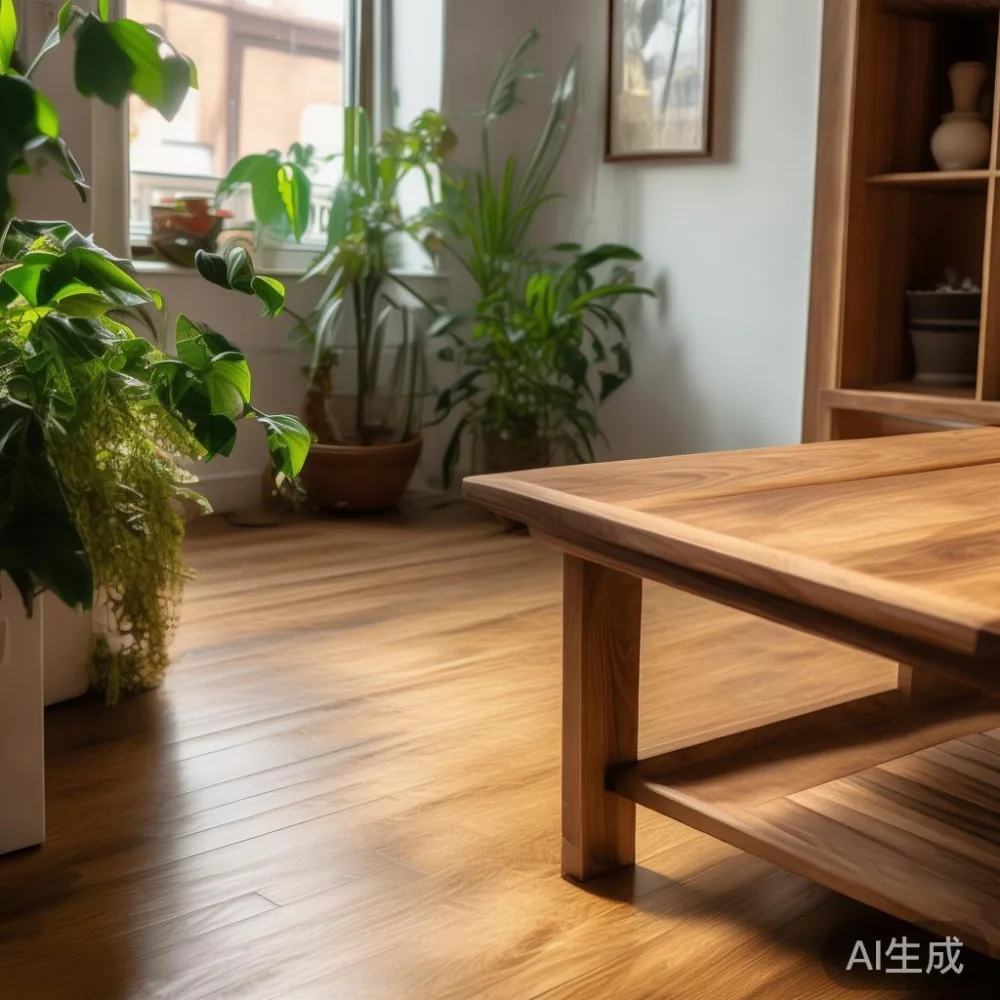
This guide explains how Southeast Asian humidity affects solid wood, why storage and delivery conditions matter, and how to specify furniture that can live comfortably in Singapore conditions. It also considers the practical constraints of narrow lift lobbies, common corridors, air-conditioned bedrooms, and the 5% GST charged on imported furniture. For buyers comparing products, the phrase how to choose European light luxury bed appears in many guides, but finish, timber movement, and humidity control matter more than a decorative label.
The information applies broadly, but local measurements are useful. Typical Singapore bedrooms are about 3 m wide by 3.5 m long, while a compact HDB study may be only 2 m across. A solid wood bed frame should not be selected as though it will remain in exactly the same room all year. Air-conditioning lowers daytime humidity, while kitchens, bathrooms, and unventilated corners can remain much more humid.
What does humidity do to solid wood?
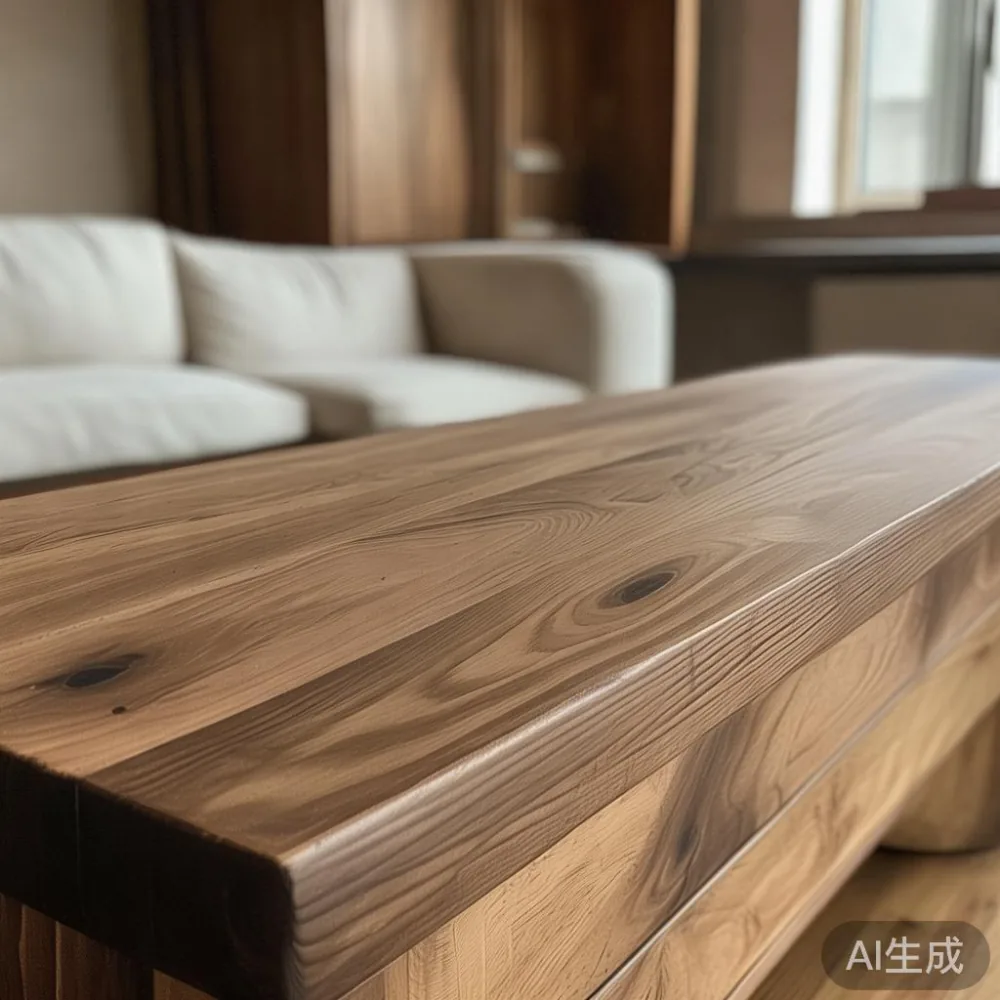
Wood is hygroscopic: it absorbs moisture when the surrounding air is humid and releases it when the air becomes drier. In Southeast Asia, relative humidity can remain around 65–85% outdoors during wet periods. Indoors, it often falls to 45–65% in air-conditioned living rooms but may exceed 75% in a poorly ventilated balcony or near a bathroom.
For solid wood, this movement is normal. A broad oak dining table might expand by roughly 2–6 mm across its width as humidity changes. A narrow nightstand may move less, perhaps 1–3 mm, while solid wood doors and drawer fronts can show gaps of 1–2 mm if the carcass and panel are made from different moisture conditions. These are guide figures rather than defects, but large or uneven movement can affect operation.
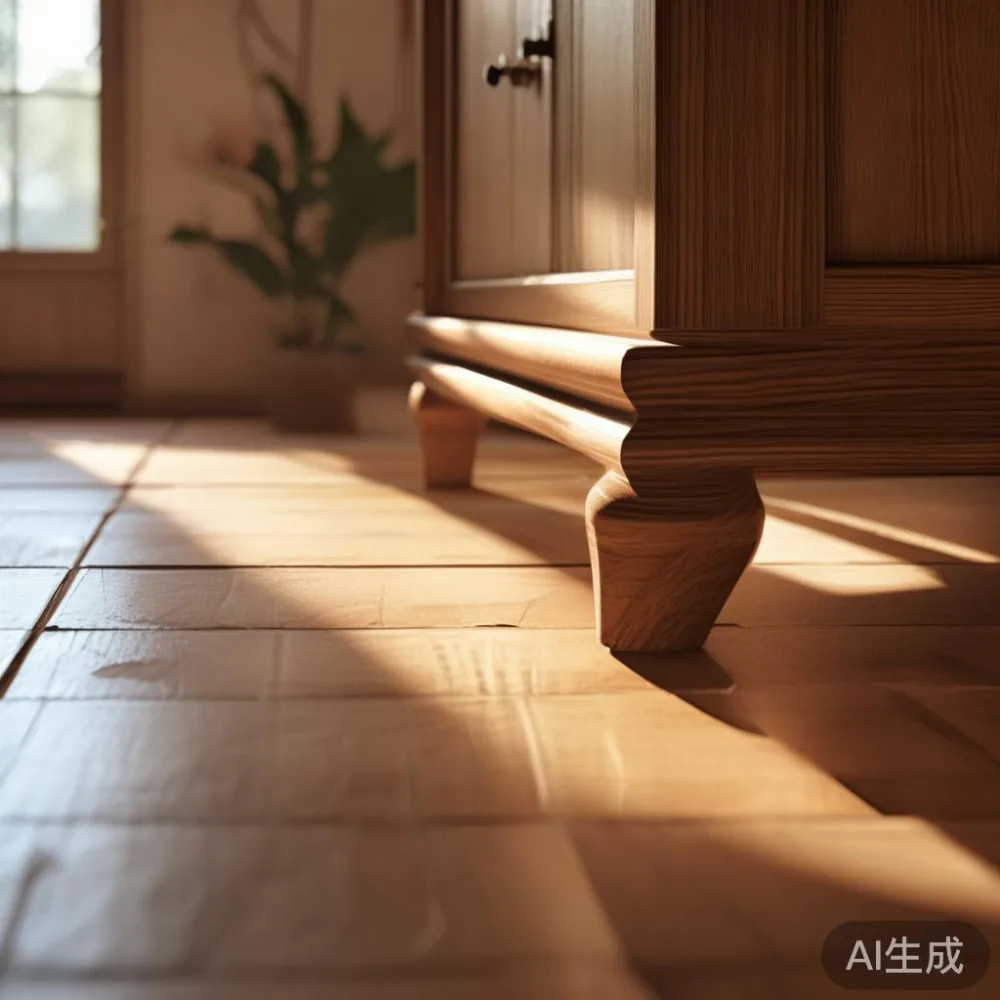
Humidity also affects finishes. Water-based coatings tend to be more breathable than thick film finishes, while some lacquers can show fine checking, hazing, or loss of gloss around exposed edges. Veneered furniture can blister if moisture reaches the adhesive layer. A solid wood panel with a stable factory finish and carefully managed indoor conditions generally presents fewer surprises, provided the wood was properly conditioned before construction.
Humidity does not automatically ruin furniture. The main risks are rapid changes, direct water exposure, poor ventilation, and treating a small seasonal movement as a manufacturing fault. A useful rule is to keep relative humidity between about 45–65% wherever possible, with gradual changes taking place over several days.
Is Singapore humidity bad for solid wood furniture?
Singapore is demanding because warmth and moisture often arrive together. During monsoon periods, windows may remain closed for hours, damp laundry may dry inside, and exterior walls can feel cool and slightly moist. In a high-rise condominium, a unit on levels 20–35 may experience stronger air movement but also greater sun exposure on west-facing windows. HDB flats often benefit from near-constant air-conditioning, although bedrooms that are switched off between occupied periods can experience wider swings.
The answer is not to keep furniture permanently chilled. A room held at an unrealistically low temperature, such as 18°C, with very dry air, can cause contraction as quickly as a humid room causes expansion. A more practical target is 24–27°C, combined with measured humidity management. Cheap hygrometers with a 1% accuracy range cost about SGD 8–20 and can be placed beside wardrobes, dining tables, and bed frames. Place them 10–20 cm from a wall and away from a window or air-conditioner outlet so the reading reflects the room rather than one surface.
Air-conditioning helps, but a dehumidifier may be more useful in enclosed wardrobes or storage rooms. A compact unit suitable for a 10–15 m² room may consume approximately 200–400 watts per hour and remove 8–20 litres of moisture on a humid day. Running it for 2–4 hours after showering or during wet weather can protect vulnerable furniture. The cost depends on local tariffs and usage, so check the machine’s rated power and your household plan rather than assuming one fixed figure.
How should solid wood furniture be delivered into an HDB flat or condo?
Delivery planning matters in Singapore because a perfect piece can still be damaged in a narrow access route. In many older HDB blocks, lift doors measure around 90 cm wide and 210 cm high, while some newer blocks and private condos have larger entrances. Common corridors may be only 100–140 cm wide. Stairwells can include turns tighter than 120 cm, making long wardrobes and broad dining tables difficult to manoeuvre.
Before purchase, record the lift door, corridor turns, stair width, and the narrowest passage into the bedroom. Add at least 10 cm of working clearance for tilting or turning a large item. For a 200 cm-long solid wood bed frame, the packed carton may be 215–230 cm long, so it might fit an open lift diagonally but not a right-angled corridor. A wardrobe supplied as separate panels may be far easier to carry than a single 180 cm cabinet.
For deliveries, use protective blankets rather than bare plastic against finished timber, and keep cartons away from wet porches. Many sellers quote 7–14 delivery days to Singapore for stocked or made-to-order furniture, but production, customs, and peak-season schedules can extend the timeline to 4–7 weeks. Confirm whether the quoted service includes assembly, lift carrying, and removal of packaging. It is also sensible to reserve the delivery slot at least 3–7 days ahead.
MIDHILL operates from Foshan, where many furniture workshops combine wood preparation, joinery, finishing, and export packing. For buyers studying Foshan furniture, factory photographs are useful, but request clear dimensions, timber specifications, moisture details, and the packed size for every piece. Furniture built for a humid Singapore home should not rely on a showroom photograph alone.
How do I stop a solid wood wardrobe or bed frame from moving?
Stable indoor conditions and sensible placement reduce movement. Keep a solid wood wardrobe at least 5–10 cm from an exterior wall, leave enough space for rear ventilation, and avoid directing an air-conditioner vent straight onto a door. A nightstand should not touch a damp curtain or sit behind a frequently opened bathroom door.
Use felt pads under legs, preferably rated for 20–50 kg per pad, and check them every 6–12 months. For a dining table, inspect levelers every 6 months and after heavy cleaning. A table carrying 4 people may support 250–350 kg; an 8-person version may need 400–600 kg of distributed load. Do not use a narrow side table as a step or place hot cookware directly on a finished surface. Use a trivet with at least 2 cm of clearance beneath hot vessels.
Solid wood should be wiped with a soft, slightly damp cloth and dried immediately. Avoid steam mops, abrasive pads, silicone-based polish, and household cleaners containing strong acids or alkalis. A clean cotton cloth and a pH-neutral wood soap diluted according to its instructions are usually sufficient. If a surface gets wet, allow it to air-dry rather than forcing heat onto it; approximately 30–60 minutes of airflow reduces the risk of water marks.
For upholstered pieces, rotate loose cushions monthly and maintain 40–60% relative humidity in the room. A solid wood sofa may be stable, while its foam, webbing, and textile cover still respond to humidity. Remove cushions during periods of prolonged dampness if the manufacturer recommends it, and inspect for mould around zippers, joints, and the base.
What should I know about French light luxury and American light luxury furniture?
Light-luxury positioning is primarily about proportion, material clarity, and restrained detailing—not tiny furniture or exaggerated prices. French light luxury often features pale oak, ash, walnut accents, tapered legs, upholstered seating, and calm profiles. American light luxury may use generous seating, deeper cushions, broad solid wood components, and a slightly more substantial scale. Post-modern light luxury can combine clean planes with carefully selected curves, stone details, and mixed materials.
Those styles all need humidity planning in Southeast Asia. A marble table, for example, is not absorbent like solid wood, but its stone, support frame, adhesive, and transport packing still require care. Ask whether the marble is natural or engineered, its thickness, the support span, and whether the top has been sealed. A 120 cm rectangular marble table may weigh 55–90 kg, while a larger 180 cm version can exceed 120 kg. Lift access and insured delivery should therefore be confirmed before ordering.
When researching luxury European light luxury furniture, buyers often focus on veneer matching, joint construction, and finish consistency. Check whether drawers have dovetail or dowelled construction, whether bed slats are included, and whether every solid wood component is labelled. Wardrobes should have adjustable hanging rails, anti-tip fittings, and runners tested for 25–40 kg. For beds, ask about centre support and the safe load per slat, commonly 80–120 kg when spaced at 10–15 cm centres.
Some search phrases sound precise but remain generic. A page about the best Rustic wardrobe for 2026 may prioritise appearance rather than humidity performance. A guide about under 2000 Coastal furniture may use light colours that reveal fingerprints, salt-like deposits, and damp marks. Material and maintenance details should therefore outweigh style keywords.
How do I choose a bed frame that suits Singapore humidity?
Start with the room and the timber. A Queen bed in Singapore commonly measures 152 cm by 190 cm, and the frame may be 158–166 cm wide and 200–215 cm long. Measure the HDB bedroom, closet doors, lift, and turning points before choosing an oversized design. For rooms with low ceilings around 245–255 cm, a headboard below 110 cm can preserve visual space and improve air circulation.
For solid wood bed frames, look for kiln-dried timber, a stable joint system, slats supported close to the centre, and a finish that can be maintained. Ask for the moisture range used in the workshop and confirm whether the components were acclimatised before assembly. A reputable supplier should explain that solid wood moves seasonally rather than promise that every board remains perfectly still.
The same questions apply to how to choose French bed in a local context. A French-style upholstered headboard can be visually elegant, but its fabric, foam, and frame must tolerate warm nights around 26–30°C. Check that the cover can be removed for cleaning, the foam has an airflow-friendly construction, and the bed does not sit directly against a cold external wall.
Installation should leave 5–10 cm behind the bed where possible. This improves cleaning and limits trapped moisture. If a bed frame includes a marble table or stone side surface, use coasters with a waterproof membrane and keep stones away from bathroom splashes.
How can I compare solid wood furniture prices and delivery terms fairly?
Compare furniture by total delivered cost, not just the product price. A solid wood dining table listed at SGD 1,280 may become SGD 1,420 after delivery, assembly, GST, or lift service. A smaller nightstand at SGD 240 may become SGD 270 once tax and access charges are included. Overseas purchases may also carry import duties, customs processing, or a freight surcharge, so request a written landed quotation where possible.
Singapore’s standard GST is 5%. For locally supplied goods, the seller usually displays the GST-inclusive price; for imported furniture, the treatment can depend on the shipment and import structure. Clarify whether the invoice includes tax, whether duties are payable on arrival, and what happens if the parcel is delayed. Pay by a traceable method and retain the order specification, dimensions, and condition photographs.
For sellers offering refinishing, ask how long the service applies and whether it is truly for the buyer’s lifetime or only for the original purchaser. MIDHILL states a 10-year structural warranty and lifetime refinishing, which gives buyers more defined after-sales support than vague assurances such as “long-term service.” Confirm the terms in writing, including exclusions for moisture damage, unauthorised modifications, and commercial use.
Wholesale enquiries can also be compared through MIDHILL coffee table wholesale information. Regardless of whether the item is a marble table, solid wood coffee table, dining table, nightstand, wardrobe, or bed frame, request packing dimensions, weight, and material details. Orders above US$350 qualify for free shipping under MIDHILL’s stated policy, although local customs, GST, and final-mile handling may still need confirmation for the destination.
What maintenance schedule protects furniture in a humid climate?
A light routine is easier to sustain. Check the hygrometer monthly, especially from November to February. Wipe surfaces every 1–2 weeks, inspect table joints and drawer runners every 3–6 months, and tighten fixings only when required. Keep planters on trays with a 2–3 cm lip, and move them if a wardrobe floor is frequently damp.
For solid wood dining tables, renew the surface protection every 12–24 months, following the finish manufacturer’s instructions. Avoid applying oil over an existing lacquer without professional advice, as incompatible layers can trap moisture or create patchiness. Wardrobe interiors benefit from 30–60 minutes of air movement every few days during humid periods. A small fan running at low speed can be useful, provided it does not blow dust directly onto the wood.
Upholstery should be vacuumed monthly with a soft brush and professionally cleaned every 12–24 months if heavily used. Keep leather or faux-leather surfaces away from prolonged direct sunlight and test cleaning products on a hidden 5 cm area. For outdoor or balcony use, specify teak, suitable marine-grade coatings, and drainage rather than moving an indoor solid wood piece into a wet balcony.
Delivery, assembly, and care instructions should travel with each item. Record the purchase date, finish type, timber species, serial number, and warranty documents. If damage appears, photograph it within 24 hours and contact the supplier before making repairs.
What questions should I ask before buying solid wood furniture?
Ask: “What is the exact material and finish?”, “What are the packed dimensions and weight?”, “How was the timber conditioned?”, “What relative humidity range is recommended?”, “Does the warranty cover structural movement caused by moisture?”, and “Can the piece be separated into smaller sections for Singapore lift access?”
For a Singapore home, a practical purchase should combine solid wood construction, restrained light-luxury styling, suitable dimensions, and realistic care expectations. French light luxury, American light luxury, or post-modern light luxury can all work, but no style substitutes for stable humidity and correct installation.
Humidity is a manageable part of owning solid wood furniture. Measure the room, inspect access points, select properly conditioned pieces, maintain moderate indoor humidity, and avoid repeated wetting. With those steps, a solid wood sofa, bed frame, dining table, wardrobe, nightstand, or marble table can remain structurally sound and visually appealing for many years in Singapore.