Caring for Lacquered Solid Wood Furniture in a Tropical Climate: A Singapore Guide
I still remember the first time I carried a 38 kg lacquered solid wood dining table up to a 12th-floor unit in Punggol. The lift was 1.1 m wide, the corridor 1.35 m, and I had to tilt the top at 45 degrees just to clear the doorframe. Two days later, the owners called me in a panic: tiny bubbles had appeared under the lacquer. The culprit wasn't the craftsmanship of the dining table itself, which came from a Foshan workshop with a 10-year structural warranty and lifetime refinishing support, but the humidity inside the unit, which had hit 86% during a pre-monsoon thunderstorm. That visit taught me more about lacquer care in Singapore than any spec sheet ever could.
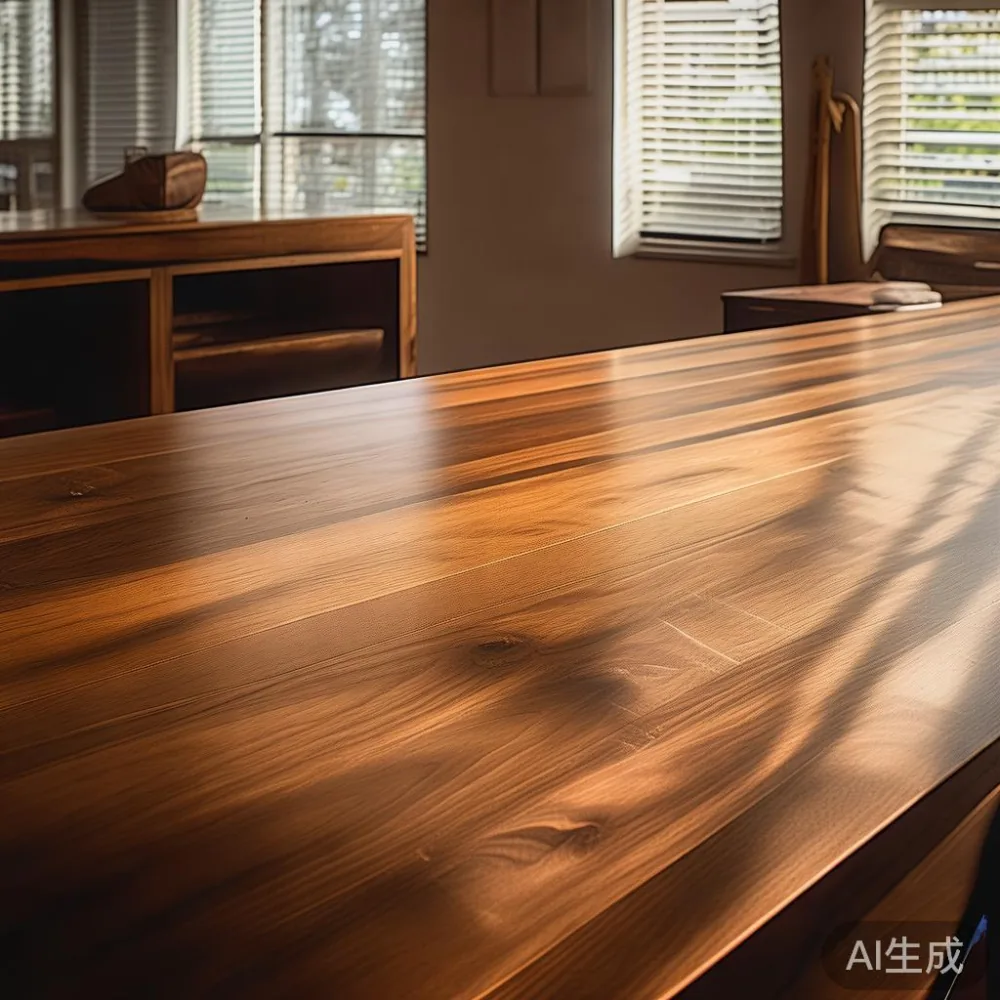
Singaporean homes run a unique gauntlet. HDB flats in Tampines and Bedok, along with newer condos in Punggol, trap heat and moisture against lacquered surfaces. Air-conditioning runs 14 to 18 hours a day for many households, then stops, and the wood expands and contracts against its coating. Add the 8% GST, the S$180 to S$420 typical white-glove delivery fees for a four-piece solid wood sofa, bed frame, dining table, and wardrobe set, and the stakes of getting care wrong feel very real. Below is the field-tested guide I share with every client in this city.
Why does Singapore's humidity punish lacquered finishes?
Singapore's average relative humidity sits between 75% and 85% year-round, peaking near 90% during the November to January monsoon and the April to May inter-monsoon. Lacquer is hygroscopic: it absorbs and releases moisture alongside the solid wood substrate beneath it. When a 200 cm dining table top gains even 0.3% moisture content, it can swell by 1.5 to 2 mm across its width. That movement creates micro-gaps at the joints and pressure points under the lacquer film, which then blister or craze within weeks.
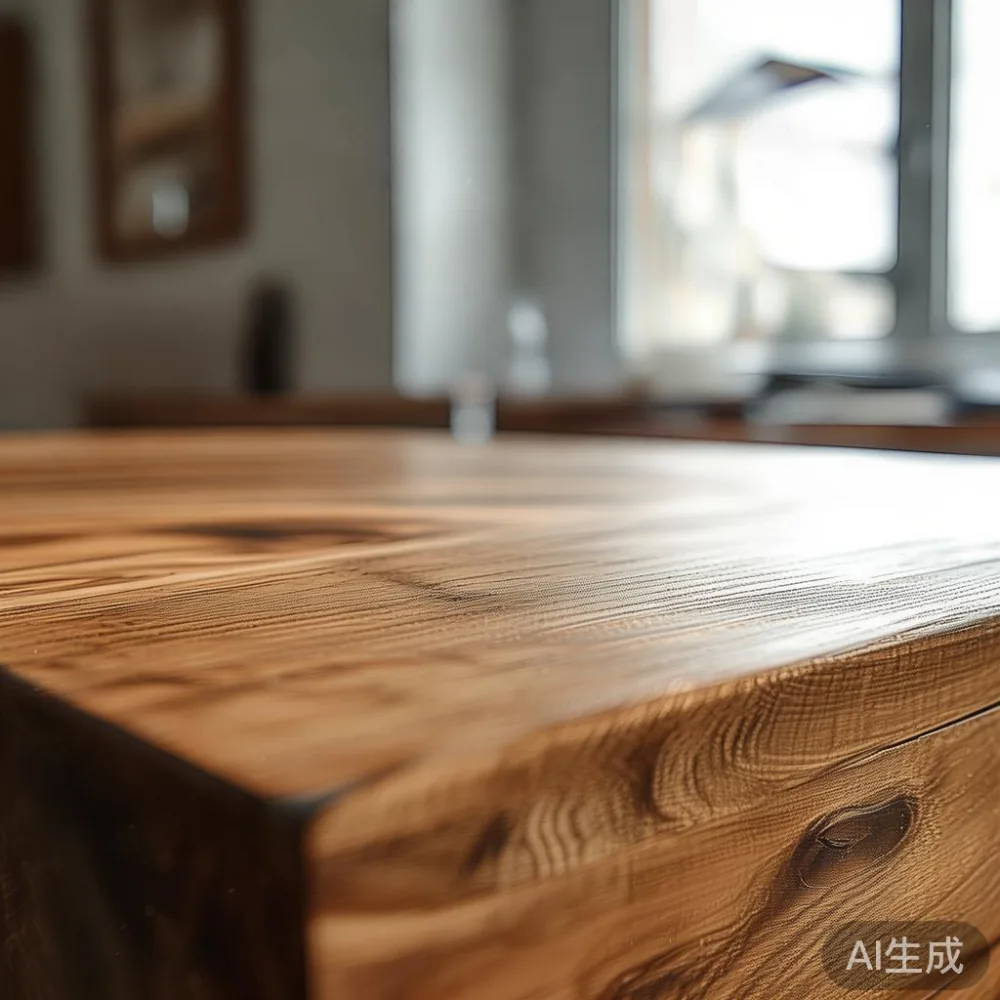
UV radiation is the second problem. Afternoon sun through west-facing windows in a Bedok 4-room flat can hit lacquered surfaces with up to 800 W/m² of irradiance. Polyurethane and NC lacquer start yellowing within 4 to 6 months of direct exposure, and a pale oak nightstand will visibly amber. Keep blinds half-drawn between 1 pm and 4 pm, or hang sheer linen curtains that filter roughly 40% of UV without darkening the room.
Air-conditioning itself is a double-edged sword. Dropping indoor humidity to 45% feels comfortable, but pulling a solid wood bed frame from a 24°C, 50% RH bedroom into a 31°C, 82% RH corridor during a delivery can shock the lacquer. Ask your delivery crew to acclimatise pieces in the air-conditioned room for 60 minutes before unwrapping any protective film. This single step has saved clients of mine from at least three bubble-out incidents in the past 18 months.
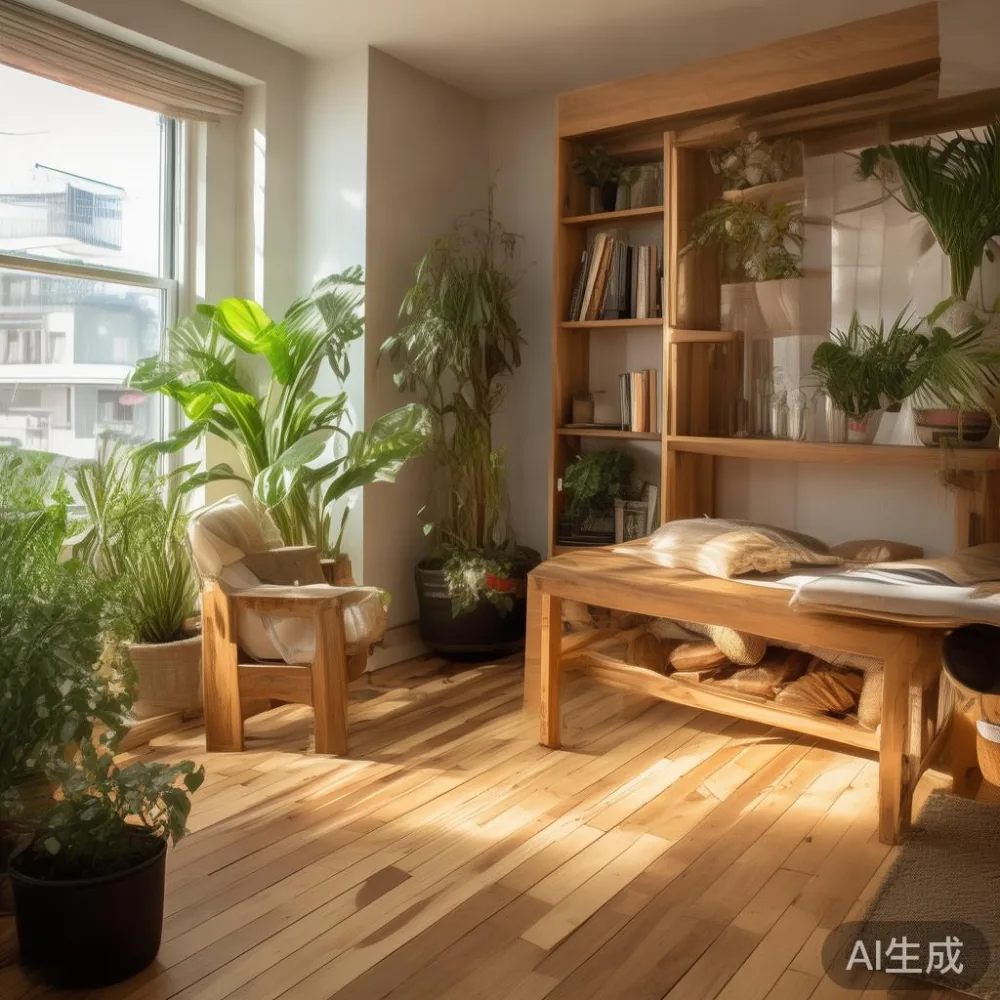
What is the difference between Mid-century modern furniture and modern furniture?
The short answer: Mid-century modern refers to a specific design movement from roughly 1945 to 1969, while "modern furniture" is a much broader umbrella covering any contemporary piece that uses clean lines, mixed materials, or minimalist forms. Mid-century pieces are almost always built from solid teak, walnut, or rosewood with visible joinery, low profiles (seat heights around 38 to 41 cm), and tapered legs. A general modern sofa, by contrast, may use engineered frames, metal legs, and fabric or leather upholstery without the warm wood character of the earlier era.
For Singapore buyers, the distinction matters when matching lacquered pieces to your existing décor. If your condo already has Scandinavian or post-modern light luxury influences — think soft beige marble tables, brass accents, and slim-lined cabinetry — a contemporary solid wood wardrobe in a matte lacquer finish will feel at home. If you are channelling a 1960s American light luxury or French light luxury look with rattan and bouclé, a true Mid-century modern sideboard in teak will read more authentic than a generic modern piece.
One quick checklist when you shop: confirm the frame is solid wood rather than plywood with a veneer top, ask whether the lacquer is NC (nitrocellulose), PU (polyurethane), or acid-catalysed, and request the exact moisture content at the time of packing. A responsible Foshan maker will quote figures between 8% and 12% for pieces headed into a tropical climate.
How should you clean lacquered surfaces weekly without damaging them?
Use a microfibre cloth (around 280 gsm, lint-free) lightly dampened with distilled water, then follow with a dry cloth within 30 seconds. Never spray directly onto a lacquered dining table or nightstand; mist the cloth about 15 cm away from your hand. For sticky fingerprints or coffee rings on a marble table paired with a wooden base, wipe with a cloth dipped in a 1:4 solution of white vinegar and distilled water, then buff dry.
Avoid silicone polishes, which create a hazy build-up within three uses. Avoid wax polishes containing carnauba, which soften at 28°C and will ghost-mark under a hot cup. A small bottle of pH-neutral wood cleaner costs S$18 to S$32 in Singapore and lasts a four-piece set 4 to 5 months. I keep one on every job site because I have seen what ammonia-based glass cleaners do to PU lacquer: a permanent dull patch within 60 seconds of contact.
For households with children, a clear felt protector under every toy, sippy cup, and laptop is non-negotiable. The cost is roughly S$12 for a pack of 60 from a Tampines hardware shop, and it prevents the ring marks that prompt most of the warranty calls I see each year.
What's the ideal humidity range for a lacquered solid wood sofa and bed frame in HDB flats?
Aim for 50% to 65% RH, with a room temperature between 22°C and 26°C. Below 45%, solid wood loses moisture, joints loosen, and lacquer can hairline-crack at the stress points along armrests and headboard edges. Above 70%, the wood swells, the lacquer lifts at the seams, and mould can colonise the underside of a wardrobe within 8 to 12 weeks.
A digital hygrometer costs S$15 to S$45 and is worth every cent. Place it on the inner shelf of your wardrobe, not on an exterior wall, because the readings on perimeter walls in Punggol's east-facing units can run 8 to 12 percentage points higher than the room's true ambient level. If humidity consistently exceeds 68%, run a dehumidifier set to 55% for 4 to 6 hours overnight; a typical 12 L/day unit uses about S$0.12 of electricity per hour in Singapore.
For corridor storage during move-in or renovation, never leave lacquered pieces in the open lift lobby. A Tampines client of mine did this for 36 hours during a BTO handover last March, and the wardrobe's side panels cupped by 1.8 mm. The maker replaced both panels under warranty at no cost because the moisture reading at delivery had been logged at 11%. That kind of documentation matters: always photograph the hygrometer reading at the moment of unboxing, timestamped.
How do you handle spills, scratches, and heat damage on lacquered pieces?
Spills: blot, never wipe. Wiping pushes water under the lacquer edge. Use absorbent kitchen paper, change it twice, then dry the area with a microfibre cloth. Within 4 minutes, moisture can start wicking into the joint lines of a solid wood dining table.
Heat: never place a hot pot or a freshly boiled kettle directly on a lacquered nightstand. Even 70°C can soften NC lacquer for 8 to 12 seconds, leaving a white bloom. Use a trivet with a felt base. I carry a 30 cm cork and steel trivet in my kit that cost S$28 at a Bedok hardware stall, and it has saved more tabletops than I can count.
Scratches: for surface scratches under 0.2 mm deep, a lacquer repair marker matched to your finish (available S$9 to S$22 at most Singapore DIY shops) works in 90% of cases. Deeper gouges need a professional fill and re-lacquer, which a maker offering lifetime refinishing will typically do for S$80 to S$180 per panel, including collection and redelivery. That service alone can extend a solid wood bed frame's usable life by 10 to 15 years, which is why I always recommend suppliers who include it.
Last month I visited a 14th-floor unit in Punggol where the owners had placed a navy cherry wood loveseat directly under a downlight that ran at 3,200 K for six hours nightly. The lacquer on the inner armrest had darkened by two shades compared to the outer armrest. We rotated the loveseat 180 degrees, switched the bulb to 2,700 K warm white at 7 W (around S$6 each), and booked a refinishing session for the affected panel. Three weeks later, the colour matched again.
Which MIDHILL pieces travel well into Singapore, and what should you check before delivery?
Solid wood sofas with removable cushions, beds with bolt-on headboards, dining tables with extension leaves packed separately, and wardrobes that ship flat-packed in two to four cartons all work through the 1.1 m lifts and 0.9 m corridor turns of most HDB blocks without stress. Marble tables, however, need a freight lift and extra handling: their 60 kg to 95 kg tops rarely fit through standard residential doorways without a brief removal of the hinges.
Before you confirm a Foshan shipment, check the factory's moisture-content protocol, the type of lacquer used, the warranty length, and whether refinishing is included or paid. Ask for carton dimensions in centimetres and the gross weight of each piece in kilograms, so you can pre-plan your lift access. A four-piece set typically runs 380 to 520 kg total and requires two delivery assistants plus a supervisor for HDB doorsteps; the surcharge above the standard free-shipping threshold (usually US$350 or around S$480) is often waived for full-container loads.
MIDHILL, based in Foshan since 2008 and shipping to more than 15 countries, ships lacquered solid wood pieces with moisture readings logged per batch, kiln-dried to 10% to 12% before finishing, and protected with a 10-year structural warranty plus lifetime refinishing access. For Singapore clients, that documentation has become the deciding factor between brands. I have seen pieces from three other Foshan workshops arrive with moisture content above 15%, and every one of them cupped or cracked within the first wet season. The difference is not the marketing, it is the data on the packing list.
What routine should you set up for the first 12 months after delivery?
Month 1: acclimatise, unwrap, and log. Photograph every panel. Keep the room between 55% and 62% RH. Avoid loading the wardrobe with clothes for 14 days so internal moisture can stabilise.
Months 2 to 6: weekly dusting with a dry microfibre cloth, monthly wipe-down with the damp-then-dry method, quarterly inspection of joints and lacquer edges under a torchlight. Note any sheen changes.
Months 7 to 12: schedule a professional inspection if you notice anything uneven. Most makers offering lifetime refinishing will inspect on-site for a small fee (S$40 to S$90) and quote repairs on the spot.
For households who entertain often, rotate your solid wood dining table's centrepieces so UV exposure stays even, and use a 220 cm runner along the high-traffic side of a dining table to reduce lacquer wear from plates and serving trays. With this routine, a well-lacquered solid wood bed frame, sofa, dining table, and wardrobe set from a maker like MIDHILL will look showroom-fresh at year five and hold its structure well past year fifteen, even in the wettest corner of Bedok or the sunniest balcony of a Punggol executive HDB.